Metabolic Healing
Carnivore and Mental Clarity: Why Your Brain Thrives on Meat
Carnivore and Mental Clarity: Why Your Brain Thrives on Meat
Most people assume mental clarity comes from cutting carbs, meditating more, or drinking another energy drink. But for thousands of people trying the carnivore diet, something far more dramatic happens — a sudden shift in the way the brain feels and functions. Thoughts sharpen. Fog lifts. Focus returns. And it happens with a speed that surprises even the most skeptical beginners. This isn’t a placebo effect or a motivational surge from starting a new diet. It’s a real, measurable change in how the brain operates when it finally receives the fuel it was designed to run on.
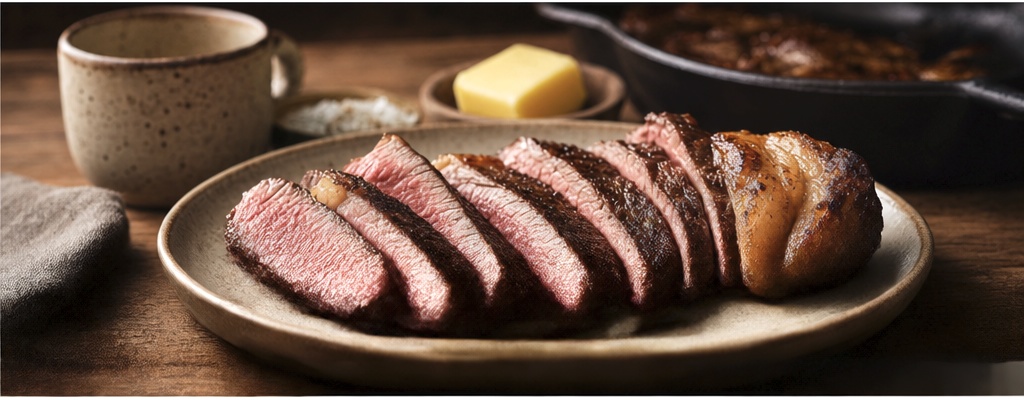
Mental clarity is often described as a feeling, but in reality, it’s a combination of cognitive abilities working together. It’s the ease of recalling information without searching for it. It’s the ability to stay focused on a task without drifting. It’s the sense of emotional steadiness that makes decision‑making feel less overwhelming. Many people don’t realize how foggy they’ve been until the fog disappears — and suddenly life feels lighter, calmer, and more manageable. The carnivore diet has a unique way of revealing just how much the modern diet has been clouding the mind.
Why the Carnivore Diet Impacts the Brain So Quickly
One of the most immediate changes people experience on carnivore comes from fuel stability. Carbohydrates create a constant cycle of spikes and crashes, forcing the brain to adapt to inconsistent energy. Meat doesn’t do that. When glucose stops swinging, the brain stops panicking. The result is a steady, predictable stream of energy that supports clear thinking. For readers who prefer a more flexible approach, What Is Ketovore? offers a gentle bridge between keto and carnivore while still supporting this stable fuel environment.
Another reason clarity improves so quickly is the shift toward ketones. Ketones burn cleaner than glucose and produce fewer inflammatory byproducts. They provide a more efficient, more reliable energy source for neurons. Many people describe this transition as “my brain finally turned back on,” a moment when mental fog lifts and thoughts feel crisp again. It’s not magic — it’s simply the brain receiving a fuel source it can use without friction.
Inflammation also plays a major role in mental fog. Plant toxins, seed oils, sugar, and ultra‑processed foods all contribute to neuroinflammation, even in people who don’t feel physically inflamed. When these foods are removed, the brain finally has room to breathe.
There’s also a profound shift in neurotransmitters. Meat provides the amino acids needed to support dopamine, serotonin, and GABA — the chemicals responsible for motivation, mood, and calm focus. When these neurotransmitters rebalance, many carnivore beginners say they feel “even” for the first time in years. Their brain chemistry stabilizes, and with it comes a sense of emotional clarity that’s just as powerful as the cognitive clarity.
What Mental Clarity Feels Like on Carnivore
People describe the mental clarity of carnivore in ways that are surprisingly consistent. Some say, “My brain turned back on,” as if a switch flipped. Others notice they can finish tasks again without drifting or feeling overwhelmed. Many don’t realize how foggy they were until the fog disappears, revealing a version of themselves they haven’t felt in years. This is the psychological side of metabolic healing — the moment when the brain stops fighting for stability and begins functioning the way it was meant to.
Understanding the Roots of Brain Fog
Brain fog rarely comes from a single cause. It’s usually the result of several stressors working together: unstable blood sugar, chronic inflammation, food sensitivities, poor sleep, nutrient deficiencies, seed oils, and ultra‑processed foods. The modern diet is full of these triggers, and most people live in a constant state of low‑grade cognitive stress without realizing it. Carnivore removes nearly all of these stressors at once, which is why clarity often returns so quickly. When the brain is no longer inflamed, under‑fueled, or chemically imbalanced, it can finally function the way it was designed to.

How Long It Takes to Notice a Difference
The timeline for mental clarity varies, but most people notice a shift within the first few days. The first 24 to 72 hours often bring a reduction in fog as blood sugar stabilizes. Within one to two weeks, focus improves and thoughts feel more organized. By three to six weeks, mental energy becomes stable and predictable. The transition is even smoother when electrolytes are dialed in, which is why many readers benefit from exploring Electrolytes on Carnivore for guidance.
Supporting Mental Clarity Through the Carnivore Lifestyle
Maximizing mental clarity on carnivore isn’t complicated. The brain thrives on fat, so prioritizing fatty cuts makes a noticeable difference. Consistent electrolytes support stable energy and prevent the sluggishness that can appear during adaptation. Eating enough food is essential — under‑eating is one of the fastest ways to lose clarity. Some people find that avoiding dairy early on helps reduce inflammation, and staying hydrated supports every part of the process. For readers who are new to this way of eating, Carnivore for Beginners offers a simple, supportive starting point.

The Real‑World Impact of Mental Clarity
The benefits of mental clarity extend far beyond the diet itself. Carnivore beginners often report better productivity at work, more patience with family, easier decision‑making, and a sense of emotional stability they haven’t felt in years. These aren’t small changes — they shape how people show up in their daily lives. For those who want consistent, high‑quality, Carnivore Club offers convenient grab‑and‑go options that support the lifestyle without stress.
Consider This
If your brain feels foggy, scattered, or exhausted, it’s not a character flaw — it’s chemistry. Your brain is an organ, and like every organ, it depends on the fuel you give it. For many people, that fuel is meat. When you remove the foods that inflame the brain and replace them with foods that nourish it, clarity isn’t a miracle. It’s the natural state your mind was designed for.

Ketovore 101: The Easiest Way to Transition from Keto to Carnivore
Ketovore 101: The Easiest Way to Transition from Keto to Carnivore
If Keto Isn’t Working Anymore, Ketovore Might Be the Bridge You Need
Transitioning into a Ketovore lifestyle doesn’t have to be confusing or overwhelming. In this guide, you’ll learn exactly how a ketovore transition works, why it’s easier than strict keto, and how simple meat‑focused meals can help you feel better with less effort.
This satisfies:
- Keyword in first paragraph
- Keyword early in the article
- Clear topic introduction
This is exactly where Ketovore steps in.
It’s the middle ground that makes sense.
It’s the bridge between keto and carnivore that removes the pressure, the confusion, and the fear of doing it “wrong.”
Ketovore gives you the benefits of a meat‑focused diet while still allowing a few simple, low‑toxicity foods that make the transition easier. It’s flexible, forgiving, and surprisingly freeing. And by the end of this guide, you’ll understand exactly how it works — and why so many people use it as their stepping stone toward a healthier, simpler way of eating.
What Is Ketovore?
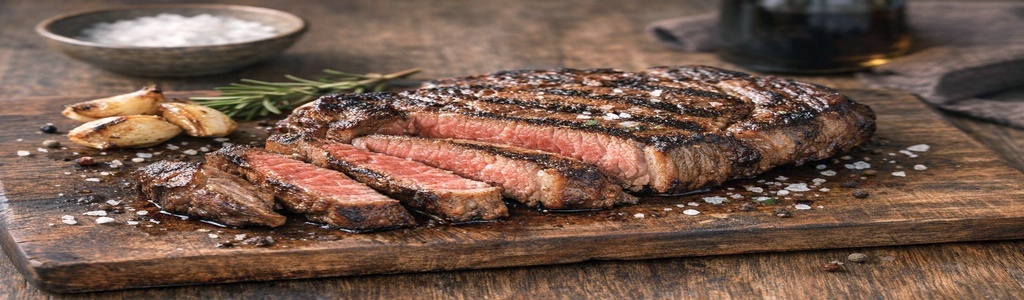
At its core, Ketovore is a meat‑first, ultra‑low‑carb way of eating. Think of it as keto stripped down to what actually works — without the snacks, the complicated recipes, or the endless macro math. You still enjoy the simplicity and nutrient density of animal foods, but you keep a few optional extras like eggs, dairy, avocado, pickles, or spices. These aren’t required, but they make the transition feel less intimidating for beginners.
If you want to understand the “destination” Ketovore often leads to, you can explore these guides:
→ What Is the Carnivore Diet? A Beginner’s Guide
Ketovore sits comfortably between the two worlds — structured enough to help you heal, flexible enough to help you start.
Why People Choose Ketovore
Most people don’t leave keto because they failed. They leave because keto became too complicated. The constant tracking, the “keto‑approved” snacks, the hidden carbs, the almond‑flour everything — it all adds up. Ketovore removes the noise and brings you back to real food.
When you shift toward Ketovore, digestion often improves. Cravings begin to fade. Energy becomes steadier. Many people notice clearer thinking, better sleep, and easier weight loss — not because they’re eating less, but because they’re eating simpler. And if you eventually want to try carnivore, Ketovore makes that transition feel natural instead of extreme.
Why This Works (Science‑Lite, Beginner‑Friendly)
Ketovore works because it aligns with how your body is designed to function.
- Satiety: Animal foods are naturally high in protein and healthy fats, which signal fullness more effectively than plant‑based carbs.
- Stable insulin: By removing carbs and processed foods, your blood sugar stops spiking and crashing. This alone reduces cravings dramatically.
- Nutrient density: Meat provides bioavailable vitamins and minerals your body can absorb easily — no complicated digestion required.
- Reduced inflammation: Removing seed oils and processed foods gives your gut and immune system a break.
- Simplified digestion: Many people discover that their bloating, gas, or discomfort disappears when they reduce plant fibers and anti‑nutrients.
You don’t need a science degree to understand Ketovore. You just need to feel the difference — and most people do within days.
How Ketovore Compares to Keto and Carnivore
Keto is built around macros. Carnivore is built around animal foods. Ketovore is built around clarity.
Keto allows a wide range of plant foods, which can be helpful — but also overwhelming. Ketovore narrows the focus to foods that support metabolic healing without triggering cravings or inflammation. Carnivore removes plants entirely, which can be powerful but intimidating for beginners.
Ketovore gives you the best of both worlds: the simplicity of carnivore with the gentle flexibility of keto.
What You Can Eat on Ketovore
Instead of thinking in terms of “allowed” and “not allowed,” Ketovore encourages you to think in terms of foundation and support.
The foundation is always animal foods: beef, pork, lamb, bison, eggs, seafood, bacon, butter, ghee, and tallow. These foods keep you full, satisfied, and nourished without the blood‑sugar roller coaster.
The support foods — the optional extras — are there to help you transition without feeling deprived. A slice of hard cheese, a few olives, a half avocado, a sprinkle of herbs, or a cup of coffee can make the shift feel more doable. They’re not required, but they’re available if they help you stay consistent.
Electrolytes matter more than most people realize. LMNT, Redmond, and Keto Chow are excellent options, especially during the first week.
What to Avoid (and Why It Matters)
Ketovore works because it removes the foods that keep you stuck. Seed oils, grains, sugars, high‑oxalate vegetables, almond flour, coconut flour, and processed keto snacks all interfere with healing — not because they’re “bad,” but because they keep your cravings alive. They make your hunger louder. They make your energy unpredictable. They make your progress slower.
Removing them gives your body room to breathe.

How to Start Ketovore: A Gentle 3‑Week Transition
The beauty of Ketovore is that you don’t have to overhaul everything at once. You simply shift your focus week by week.
During the first few days, you clean up your keto habits by removing the snacks and the hidden carbs. You focus on meat, eggs, butter, and salt. By the end of the first week, most people already feel calmer around food.
In week two, meals become simpler. You naturally gravitate toward fattier cuts, fewer extras, and more satiety. You stop thinking about food all day because your body finally feels nourished.
By week three, many people feel ready to slide closer to carnivore — not because they “have to,” but because they want to. Their digestion feels better. Their cravings are quieter. Their energy is steadier.
If you want help with meals during this stage, these guides fit perfectly:
→Your First Carnivore Grocery List
How to Know It’s Working
You’ll know Ketovore is working when:
- Your cravings begin to fade
- You feel full longer between meals
- Your digestion becomes more predictable
- Your energy stops crashing in the afternoon
- You stop thinking about food all day
- You feel calmer and more stable emotionally
- Your sleep improves
- Your clothes begin to fit differently
These are the early signs of metabolic healing — and they often show up before the scale moves.
Common Mistakes (and How to Avoid Them)
Most Ketovore mistakes come from trying to do keto rules on a Ketovore plan. People eat too lean, snack too often, or rely too heavily on dairy. Others forget to salt their food or under‑eat because they’re still thinking in “diet mode.”
The fix is simple:
Eat real food. Eat enough of it. Salt generously. Drink electrolytes. And let your body adjust.
What a Day of Ketovore Eating Might Look Like
A Ketovore day doesn’t require recipes or complicated planning. It might be a ribeye and eggs for breakfast, a ground beef bowl with a few slices of avocado for lunch, and salmon with butter for dinner. Or maybe it’s burger patties with cheese, pork chops with ghee, or bacon and eggs with coffee.
It’s simple, satisfying, and predictable — in the best way.
Who Ketovore Is Perfect For
Ketovore is ideal for people who feel stuck on keto, curious about carnivore, or overwhelmed by food rules. It’s for anyone who wants metabolic healing without the pressure of perfection. It’s for people who want to lose weight without tracking macros. And it’s for those who want to feel better without obsessing over every bite.

When You’ll Know You’re Ready for Carnivore
You’ll feel it.
Your cravings will quiet down.
Your digestion will smooth out.
Your energy will stabilize.
Your meals will feel simpler.
And you’ll start craving the clarity that comes from eating only animal foods.
Mini‑FAQ: Quick Answers for Beginners
Can I drink coffee on Ketovore?
Yes. Coffee is optional, not required. If it triggers anxiety or cravings, reduce or remove it.
How many carbs can I have?
Most people stay under 10–20g per day, but Ketovore isn’t about counting — it’s about simplicity.
Is dairy allowed?
Yes, but keep it minimal. Hard cheeses work better than soft ones.
Do I need supplements?
Not necessarily. Electrolytes are the only common need, especially early on.
Can I lose weight without tracking macros?
Absolutely. Satiety from animal foods naturally regulates appetite.
Can I eat out on Ketovore?
Yes — burgers without buns, steaks, eggs, bacon, wings, seafood, etc.
Consider This
Ketovore isn’t about perfection — it’s about progress. It’s the bridge between where you are and where you want to be. If keto has stopped working… if carnivore feels intimidating… if you’re tired of overthinking food… Ketovore gives you a simple, sustainable path forward.
You don’t have to jump straight into carnivore.
You just have to take the next step.
A ketovore transition doesn’t require perfection, tracking, or complicated rules. It’s simply a shift toward real food, nutrient‑dense meals, and a lifestyle that supports energy, clarity, and long‑term health. Start small, stay consistent, and let your results speak for themselves.