Monthly Archives: August 2026
Carnivore Drain: Why You Feel Worn Out at First (And Why It Gets Better)
Carnivore Drain: Why You Feel Worn Out at First (And Why It Gets Better)
August 24, 2026

Why the First Days Feel So Heavy
The beginning of your carnivore journey often feels nothing like you expected. You come in ready for sharper focus, cleaner energy, and the steady strength people rave about — but instead you wake up sluggish, foggy, and strangely weighed down. It’s confusing when a diet built on nutrient‑dense foods leaves you feeling like your battery is running low. But this early “drain” isn’t a sign that carnivore is failing you. It’s a sign that your body is shifting gears in a way it hasn’t had to in years.
Many people also experience subtle electrolyte changes during this phase, which can amplify the feeling of low energy. If you haven’t explored this yet, you may find Electrolytes on Carnivore: Fixing Fatigue, Cramps, and Low Energy the Right Way helpful — it explains why minerals matter so much during the transition:

What’s Really Happening Inside Your Body
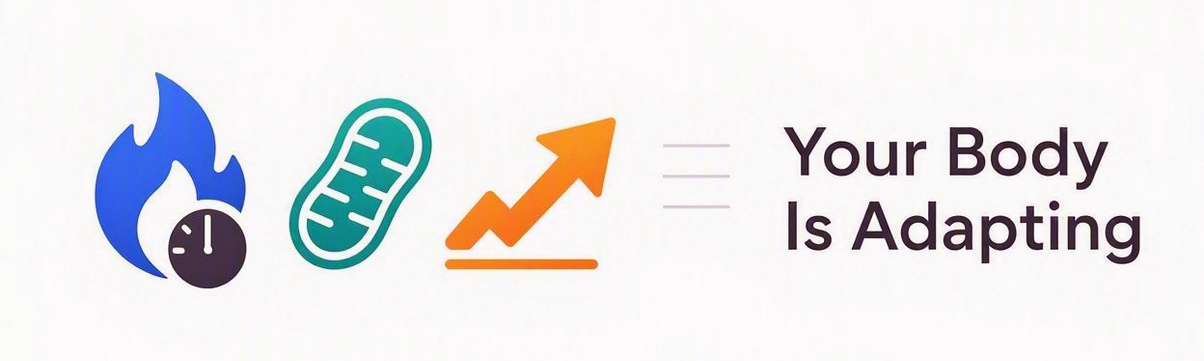
When you cut carbs, your body begins a metabolic shift that happens in stages. First, your glycogen stores begin to drop. Glycogen is your body’s quick‑access fuel, and once it’s depleted, your system has to adjust. Then your insulin levels fall, which signals your body to begin tapping into stored fat. Your cells start increasing fat‑oxidation pathways, and your mitochondria — the tiny engines inside your cells — begin adapting to ketones as their new fuel source.
This shift is often described as a “gear change,” and like any gear change, it can feel rough. Your body isn’t failing. It’s recalibrating. And recalibration can feel like heaviness, slower mornings, foggy thinking, low motivation, and inconsistent energy. These sensations are temporary. They’re the signs of a system learning to run cleaner.
Digestion also changes during this period, which can contribute to the early sense of heaviness or sluggishness. If you’re noticing digestive shifts, Carnivore Digestion: What Actually Changes breaks down what’s normal and what to expect.

What Carnivore Experts Have Seen Again and Again
People who’ve lived carnivore for years consistently report the same pattern: the drain comes first, then the lift. Dr. Ken Berry calls it “the metabolic lag,” the period where your body is adjusting but hasn’t yet reached full fat‑adaptation. Dr. Anthony Chaffee describes it as “the adaptation dip,” a temporary slowdown before your metabolism catches up. Long‑term carnivore veterans simply call it “the shift.”
Across thousands of stories, one truth stands out: The people who push through the drain experience the biggest transformation.
Once your body finishes the shift, your energy becomes more stable than anything you’ve experienced on a carb‑based diet. You stop having afternoon crashes. Your brain feels clearer. Your mood steadies. Your hunger becomes predictable. Your sleep improves. Your workouts feel smoother. Your day stops being controlled by blood sugar swings.
The drain is not a warning. It’s a doorway.
Why You Feel Worn Out — And Why It’s Temporary
If you’re feeling worn out right now, it doesn’t mean carnivore isn’t working. It means it is. Your body is doing the hard work of switching fuel systems. It’s letting go of the quick‑burn energy of glucose and learning to rely on the slow, steady burn of fat. This shift requires hormonal adjustments, digestive simplification, neurological recalibration, and metabolic restructuring.
Hydration needs also change dramatically when carbs disappear, and dehydration can make the early drain feel even heavier. If you want to understand this part of the transition better, Why Your Water Needs Change When You Cut Carbs explains why carnivore alters your fluid balance and how to stay ahead of it.
Your hormones begin stabilizing as insulin drops. Your digestion becomes simpler as plant fibers disappear. Your brain adjusts to ketones, which provide a more stable fuel than glucose. Your mitochondria become more efficient. Your inflammation begins to decrease. Your cravings start to fade. Your energy becomes less dependent on meal timing.
This is the part most people quit — not because carnivore doesn’t work, but because they don’t realize the drain is temporary. If you stay consistent, the drain gives way to the lift. And when the lift comes, it’s unmistakable.
What This Means for Your Journey
The early days of carnivore are not a test of willpower. They’re a test of understanding. If you know what’s happening inside your body, the drain becomes less frightening and more meaningful. Gradually, the perspective shifts to see it as progress rather than a setback. You stop worrying that you’re doing something wrong. You stop comparing your early days to someone else’s long‑term results. You stop doubting the process.
Carnivore is not a diet that gives instant gratification. It’s a diet that gives lasting transformation. The drain is simply the price of admission. And once you’re through it, you’ll understand why so many people say carnivore gave them the best energy of their lives.
Consider This
If you feel drained right now, ask yourself: Is this fatigue… or is this transformation in progress?
Sometimes the tiredness you feel is your body clearing the path for a better version of you. This is a process, slow and steady wins the race!! This process is different for everyone, because each of us is unique. Our bodies are similar but we are individuals, our bodies have been conditioned differently through the years, so it may take longer than some or that transition may be quicker.
Don’t worry, take it one day at a time.
Why Your Water Needs Change When You Cut Carbs
August 10, 2026

Carnivore Hydration: How Much Water You Really Need
Why Carnivore Changes Your Hydration Needs
Hydration is one of the quiet foundations of the carnivore way of eating. People talk endlessly about fat ratios, electrolytes, adaptation symptoms, and digestion, but water — the simplest nutrient of all — often gets reduced to slogans like “drink more” or “stay hydrated.” Carnivore changes that conversation. When you remove carbohydrates, your body’s relationship with water shifts in ways most people don’t expect, and understanding that shift can transform your energy, clarity, and comfort on this way of eating.
How Thirst Signals Become Honest
One of the first things new carnivore eaters notice is how honest their thirst becomes. On a carbohydrate‑heavy diet, thirst signals are drowned out by blood sugar swings, processed foods, and constant snacking. But once you transition to meat‑based eating, your body becomes quieter and clearer. Thirst shows up when you need water. It fades when you’ve had enough. It becomes a trustworthy guide instead of a confusing background noise. Many carnivore veterans describe this as one of the most surprising benefits of the diet — hydration becomes intuitive again.
Carnivore doctors and long‑term practitioners often emphasize this point: the human body is remarkably good at signaling when it needs salt and water, but modern eating patterns have taught people to ignore those signals. When you stop overriding your body with sugary drinks, processed foods, and constant snacking, your natural hydration rhythm returns. You begin to trust thirst again. You begin to trust your body again.

Why Salt Matters More Than Water
Salt is the quiet hero of carnivore hydration. Without carbohydrates, your kidneys excrete sodium more rapidly. This is good — it reduces inflammation and stabilizes blood pressure — but it also means you must be intentional about replenishing it. Many carnivore physicians explain that most people on carnivore don’t need to drink excessive water — they need adequate sodium. Sodium helps your body hold onto the water it needs without overhydrating. It keeps your energy stable, supports nerve function, and prevents the headaches and cramps people often misinterpret as dehydration.
Carnivore hydration becomes even more interesting when you consider how your body’s water needs change. Carbohydrates bind water — roughly three to four grams of water for every gram of glycogen. When you remove carbs, your body releases that stored water. This is why people lose several pounds in the first week of carnivore. It’s not just fat loss. It’s water loss. And once that water is gone, your daily hydration needs naturally decrease.
Many long‑term carnivore eaters describe drinking far less water than they did on carbohydrate‑heavy diets. They aren’t dehydrated — their bodies simply no longer require constant replenishment. This shift can feel strange at first. You may notice periods where you’re less thirsty than expected. You may find that drinking too much water makes you feel bloated or fatigued. You may even experience mild headaches if you drink large amounts of water without salt — a common mistake during adaptation.

Overhydration: The Hidden Carnivore Mistake
Carnivore coaches often point out that over hydration without salt is one of the most common causes of carnivore flu symptoms. Headaches, fatigue, muscle cramps, and that “washed‑out” feeling many beginners experience often come from drinking too much water and not enough sodium. Once people correct their salt intake, these symptoms usually disappear quickly.

How Hydration Becomes Intuitive
Once you settle into the rhythm of carnivore hydration, the experience becomes surprisingly peaceful. You stop forcing water. You stop chasing symptoms. You stop worrying about hitting arbitrary hydration numbers. Instead, you begin to trust your body again. You drink when thirsty. You salt your food generously. You use bone broth when you need a gentle boost. You supplement magnesium if your sleep or muscle tension suggests you’re running low. Hydration becomes a conversation between you and your body rather than a checklist.
This trust is one of the most empowering parts of carnivore. When you stop micromanaging hydration and start responding to your body’s cues, you feel more grounded, more stable, and more confident. Your energy becomes smoother. Your digestion becomes calmer. Your sleep becomes deeper. And your day‑to‑day comfort improves in ways that are hard to describe until you experience them.
Carnivore hydration isn’t about drinking more. It’s about drinking smarter. It’s about respecting the way your body handles water without carbohydrates. It’s about supporting your physiology with salt instead of fighting it with overhydration. And it’s about embracing the simplicity that carnivore brings to every part of your life — including the water you drink.
Consider This
If hydration is one of the simplest parts of carnivore, why do we make it so complicated. What would your days feel like if you stopped forcing water and started listening to your body’s natural cues. Carnivore hydration isn’t a chore. It’s a return to instinct. And when you embrace that instinct, your body responds with clarity, balance, and strength.