carnivore
Carnivore Adaptation Timeline: What Really Happens in Your First 30 Days
September 7, 2026
Carnivore Adaptation Timeline: What Really Happens in Your First 30 Days
The First Signs of Change
The first thirty days of the carnivore diet are unlike any other nutritional shift. People often describe it as stepping into a new metabolic world — one where your body begins rewriting its rules, recalibrating its hormones, and rediscovering what stable energy actually feels like. But the truth is, those first few weeks can be confusing if you don’t know what’s happening beneath the surface. Some days you feel lighter and clearer than you have in years; other days you wonder why your energy dipped or why your sleep feels different. The carnivore diet isn’t just a change in what you eat — it’s a change in how your body works. And that transformation unfolds in a predictable, fascinating timeline.
During the first week, your body begins shedding the remnants of your old fuel system. Most people don’t realize how much water the average person carries simply because they’re storing glycogen — the carbohydrate‑based fuel your body keeps on standby. When you stop eating carbs, your body releases that stored glycogen, and with it comes a wave of water loss. You’re not dehydrated; you’re simply letting go of the fluid your body no longer needs. This is why the scale drops quickly and why your face may look slightly leaner within days. It’s also why your electrolytes suddenly matter more than ever. Sodium, potassium, and magnesium aren’t just nutrients — they’re the electrical wiring of your metabolism. As your body flushes water, those minerals shift, and you may feel moments of fatigue or lightheadedness. Nothing is wrong. You’re not failing. You’re transitioning.

When the Body Begins to Settle
By the second week, something remarkable begins to happen. The chaos of Week 1 starts settling into a rhythm. Your cravings, which may have felt loud and insistent during the first few days, begin to quiet. Your blood sugar stabilizes in a way most people have never experienced. Instead of rising and crashing throughout the day, it levels out like a calm lake. Many people describe Week 2 as the moment their mind stops racing. There’s a sense of emotional steadiness that surprises them — not a euphoric high, but a grounded clarity.
Digestion also begins to normalize. The bloating that once felt like a daily companion fades, and your stomach feels flatter, calmer, and less reactive. You’re not fully adapted yet, but you’re no longer fighting the transition. Your body is learning, adjusting, and beginning to trust the new fuel you’re giving it.
The Turning Point: Fat Adaptation

Then comes Week 3 — the turning point. This is where your body begins embracing fat as its primary fuel source. For years, your metabolism has been trained to expect glucose. Now it’s learning to run on fatty acids and ketones, and once that shift locks in, everything changes.
Energy becomes smoother. Hunger becomes quieter. You stop thinking about food all day because your body finally understands how to access stored energy without panic. Workouts begin to feel different too. Instead of burning through carbs and crashing afterward, your body taps into long‑lasting fuel. Many people describe Week 3 as the moment they feel “awake” again — not jittery, not wired, just consistently alert.
Sleep often improves during this phase as well. When your blood sugar stops spiking at night, your nervous system calms. You fall asleep faster, stay asleep longer, and wake up feeling more refreshed. It’s not magic — it’s biology. Stable insulin means stable cortisol, and stable cortisol means deeper rest. Even your mood begins to shift. The irritability that sometimes shows up during the first week disappears, replaced by a sense of emotional steadiness that feels almost unfamiliar.

The Breakthrough You’ve Been Waiting For
By Week 4, the breakthrough arrives. This is the moment carnivore stops feeling like a diet and starts feeling like a lifestyle. Your digestion becomes predictable. Your energy feels locked in. Your skin may look clearer, your inflammation lower, your joints less stiff. You begin noticing small things — like how your mind doesn’t fog in the afternoon, or how you can go hours without thinking about food. You’re not forcing your body to adapt anymore. It has adapted.
This fourth week is also when many people experience a surprising emotional shift. They feel proud. They feel capable. They feel like they’ve reclaimed control over their health in a way they didn’t expect. Carnivore isn’t restrictive anymore — it’s freeing. You’re no longer navigating cravings, energy crashes, digestive issues, or unpredictable hunger. You’re simply living+
Beyond the First 30 Days
Beyond the first thirty days, the transformation continues. Your hormones keep stabilizing. Your hunger signals become more accurate. Your workouts feel stronger. Your recovery improves. Your mental clarity sharpens. But the foundation — the metabolic reset — happens in that first month. And once you’ve crossed that threshold, you’re no longer guessing what your body is doing. You understand it. You trust it. You feel aligned with it.
The carnivore diet isn’t just about eating meat. It’s about removing the noise — the foods that inflame, the ingredients that confuse your hunger signals, the sugars that hijack your energy. When you strip all of that away, your body finally has the chance to show you how it was designed to operate. The first thirty days are the doorway into that experience. They’re not always easy, but they’re always worth it.
If you’re stepping into carnivore for the first time, this timeline is your roadmap. It’s your reassurance. It’s your reminder that every phase — the water dump, the stabilization, the fat adaptation, the breakthrough — is part of a predictable, powerful transformation. And once you reach the other side, you’ll understand why so many people say carnivore didn’t just change their diet. It changed their life.

Carnivore Drain: Why You Feel Worn Out at First (And Why It Gets Better)
Carnivore Drain: Why You Feel Worn Out at First (And Why It Gets Better)
August 24, 2026

Why the First Days Feel So Heavy
The beginning of your carnivore journey often feels nothing like you expected. You come in ready for sharper focus, cleaner energy, and the steady strength people rave about — but instead you wake up sluggish, foggy, and strangely weighed down. It’s confusing when a diet built on nutrient‑dense foods leaves you feeling like your battery is running low. But this early “drain” isn’t a sign that carnivore is failing you. It’s a sign that your body is shifting gears in a way it hasn’t had to in years.
Many people also experience subtle electrolyte changes during this phase, which can amplify the feeling of low energy. If you haven’t explored this yet, you may find Electrolytes on Carnivore: Fixing Fatigue, Cramps, and Low Energy the Right Way helpful — it explains why minerals matter so much during the transition:

What’s Really Happening Inside Your Body
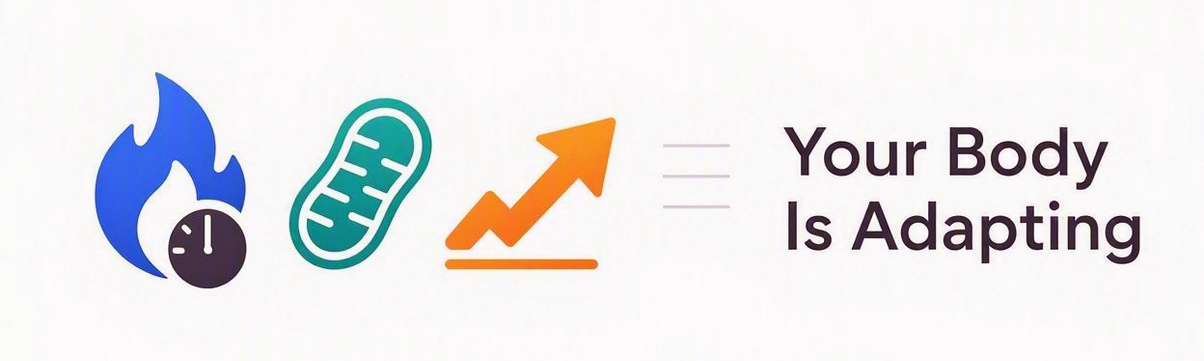
When you cut carbs, your body begins a metabolic shift that happens in stages. First, your glycogen stores begin to drop. Glycogen is your body’s quick‑access fuel, and once it’s depleted, your system has to adjust. Then your insulin levels fall, which signals your body to begin tapping into stored fat. Your cells start increasing fat‑oxidation pathways, and your mitochondria — the tiny engines inside your cells — begin adapting to ketones as their new fuel source.
This shift is often described as a “gear change,” and like any gear change, it can feel rough. Your body isn’t failing. It’s recalibrating. And recalibration can feel like heaviness, slower mornings, foggy thinking, low motivation, and inconsistent energy. These sensations are temporary. They’re the signs of a system learning to run cleaner.
Digestion also changes during this period, which can contribute to the early sense of heaviness or sluggishness. If you’re noticing digestive shifts, Carnivore Digestion: What Actually Changes breaks down what’s normal and what to expect.

What Carnivore Experts Have Seen Again and Again
People who’ve lived carnivore for years consistently report the same pattern: the drain comes first, then the lift. Dr. Ken Berry calls it “the metabolic lag,” the period where your body is adjusting but hasn’t yet reached full fat‑adaptation. Dr. Anthony Chaffee describes it as “the adaptation dip,” a temporary slowdown before your metabolism catches up. Long‑term carnivore veterans simply call it “the shift.”
Across thousands of stories, one truth stands out: The people who push through the drain experience the biggest transformation.
Once your body finishes the shift, your energy becomes more stable than anything you’ve experienced on a carb‑based diet. You stop having afternoon crashes. Your brain feels clearer. Your mood steadies. Your hunger becomes predictable. Your sleep improves. Your workouts feel smoother. Your day stops being controlled by blood sugar swings.
The drain is not a warning. It’s a doorway.
Why You Feel Worn Out — And Why It’s Temporary
If you’re feeling worn out right now, it doesn’t mean carnivore isn’t working. It means it is. Your body is doing the hard work of switching fuel systems. It’s letting go of the quick‑burn energy of glucose and learning to rely on the slow, steady burn of fat. This shift requires hormonal adjustments, digestive simplification, neurological recalibration, and metabolic restructuring.
Hydration needs also change dramatically when carbs disappear, and dehydration can make the early drain feel even heavier. If you want to understand this part of the transition better, Why Your Water Needs Change When You Cut Carbs explains why carnivore alters your fluid balance and how to stay ahead of it.
Your hormones begin stabilizing as insulin drops. Your digestion becomes simpler as plant fibers disappear. Your brain adjusts to ketones, which provide a more stable fuel than glucose. Your mitochondria become more efficient. Your inflammation begins to decrease. Your cravings start to fade. Your energy becomes less dependent on meal timing.
This is the part most people quit — not because carnivore doesn’t work, but because they don’t realize the drain is temporary. If you stay consistent, the drain gives way to the lift. And when the lift comes, it’s unmistakable.
What This Means for Your Journey
The early days of carnivore are not a test of willpower. They’re a test of understanding. If you know what’s happening inside your body, the drain becomes less frightening and more meaningful. Gradually, the perspective shifts to see it as progress rather than a setback. You stop worrying that you’re doing something wrong. You stop comparing your early days to someone else’s long‑term results. You stop doubting the process.
Carnivore is not a diet that gives instant gratification. It’s a diet that gives lasting transformation. The drain is simply the price of admission. And once you’re through it, you’ll understand why so many people say carnivore gave them the best energy of their lives.
Consider This
If you feel drained right now, ask yourself: Is this fatigue… or is this transformation in progress?
Sometimes the tiredness you feel is your body clearing the path for a better version of you. This is a process, slow and steady wins the race!! This process is different for everyone, because each of us is unique. Our bodies are similar but we are individuals, our bodies have been conditioned differently through the years, so it may take longer than some or that transition may be quicker.
Don’t worry, take it one day at a time.
Why Your Water Needs Change When You Cut Carbs
August 10, 2026

Carnivore Hydration: How Much Water You Really Need
Why Carnivore Changes Your Hydration Needs
Hydration is one of the quiet foundations of the carnivore way of eating. People talk endlessly about fat ratios, electrolytes, adaptation symptoms, and digestion, but water — the simplest nutrient of all — often gets reduced to slogans like “drink more” or “stay hydrated.” Carnivore changes that conversation. When you remove carbohydrates, your body’s relationship with water shifts in ways most people don’t expect, and understanding that shift can transform your energy, clarity, and comfort on this way of eating.
How Thirst Signals Become Honest
One of the first things new carnivore eaters notice is how honest their thirst becomes. On a carbohydrate‑heavy diet, thirst signals are drowned out by blood sugar swings, processed foods, and constant snacking. But once you transition to meat‑based eating, your body becomes quieter and clearer. Thirst shows up when you need water. It fades when you’ve had enough. It becomes a trustworthy guide instead of a confusing background noise. Many carnivore veterans describe this as one of the most surprising benefits of the diet — hydration becomes intuitive again.
Carnivore doctors and long‑term practitioners often emphasize this point: the human body is remarkably good at signaling when it needs salt and water, but modern eating patterns have taught people to ignore those signals. When you stop overriding your body with sugary drinks, processed foods, and constant snacking, your natural hydration rhythm returns. You begin to trust thirst again. You begin to trust your body again.

Why Salt Matters More Than Water
Salt is the quiet hero of carnivore hydration. Without carbohydrates, your kidneys excrete sodium more rapidly. This is good — it reduces inflammation and stabilizes blood pressure — but it also means you must be intentional about replenishing it. Many carnivore physicians explain that most people on carnivore don’t need to drink excessive water — they need adequate sodium. Sodium helps your body hold onto the water it needs without overhydrating. It keeps your energy stable, supports nerve function, and prevents the headaches and cramps people often misinterpret as dehydration.
Carnivore hydration becomes even more interesting when you consider how your body’s water needs change. Carbohydrates bind water — roughly three to four grams of water for every gram of glycogen. When you remove carbs, your body releases that stored water. This is why people lose several pounds in the first week of carnivore. It’s not just fat loss. It’s water loss. And once that water is gone, your daily hydration needs naturally decrease.
Many long‑term carnivore eaters describe drinking far less water than they did on carbohydrate‑heavy diets. They aren’t dehydrated — their bodies simply no longer require constant replenishment. This shift can feel strange at first. You may notice periods where you’re less thirsty than expected. You may find that drinking too much water makes you feel bloated or fatigued. You may even experience mild headaches if you drink large amounts of water without salt — a common mistake during adaptation.

Overhydration: The Hidden Carnivore Mistake
Carnivore coaches often point out that over hydration without salt is one of the most common causes of carnivore flu symptoms. Headaches, fatigue, muscle cramps, and that “washed‑out” feeling many beginners experience often come from drinking too much water and not enough sodium. Once people correct their salt intake, these symptoms usually disappear quickly.

How Hydration Becomes Intuitive
Once you settle into the rhythm of carnivore hydration, the experience becomes surprisingly peaceful. You stop forcing water. You stop chasing symptoms. You stop worrying about hitting arbitrary hydration numbers. Instead, you begin to trust your body again. You drink when thirsty. You salt your food generously. You use bone broth when you need a gentle boost. You supplement magnesium if your sleep or muscle tension suggests you’re running low. Hydration becomes a conversation between you and your body rather than a checklist.
This trust is one of the most empowering parts of carnivore. When you stop micromanaging hydration and start responding to your body’s cues, you feel more grounded, more stable, and more confident. Your energy becomes smoother. Your digestion becomes calmer. Your sleep becomes deeper. And your day‑to‑day comfort improves in ways that are hard to describe until you experience them.
Carnivore hydration isn’t about drinking more. It’s about drinking smarter. It’s about respecting the way your body handles water without carbohydrates. It’s about supporting your physiology with salt instead of fighting it with overhydration. And it’s about embracing the simplicity that carnivore brings to every part of your life — including the water you drink.
Consider This
If hydration is one of the simplest parts of carnivore, why do we make it so complicated. What would your days feel like if you stopped forcing water and started listening to your body’s natural cues. Carnivore hydration isn’t a chore. It’s a return to instinct. And when you embrace that instinct, your body responds with clarity, balance, and strength.
Carnivore and Digestion: What Actually Changes
Carnivore and Digestion: What Actually Changes
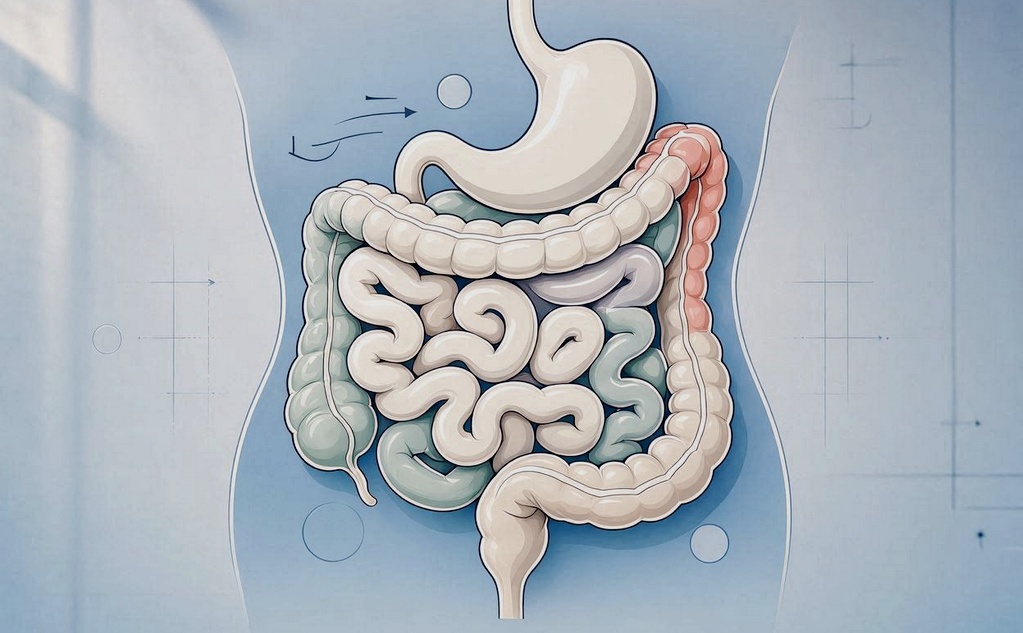
When most people switch to the carnivore diet, they expect changes in energy, cravings, or mental clarity. What they don’t expect — and often aren’t prepared for — is how dramatically digestion shifts. The truth is simple: when you remove fiber, fillers, and plant compounds, your digestive system begins operating in a completely different way. And for many, it’s the first time their gut has been able to work without interference.
Carnivore digestion isn’t a mystery. It’s a physiological reset — one that reveals how your gut was designed to function when inflammation drops, motility stabilizes, and nutrient absorption improves. But to understand what’s happening, you have to look at the gut the way a mechanic looks at an engine: not as a collection of symptoms, but as a system responding to a new fuel source.
Your Gut Has Been Working Overtime
Most people don’t realize how much work their digestive system does on a standard diet. Fiber, grains, seed oils, and plant compounds require complex processing. They ferment, they irritate, they inflame, and they demand constant motility. When you remove them, the gut doesn’t “slow down” — it simply stops fighting.
Dr. Ken Berry has spoken about this repeatedly. In one of his Q&A livestreams, he said:
“When you stop eating fiber, your gut doesn’t get lazy — it gets efficient. You’re not constipated. You’re just not producing trash anymore.”
Dr. Ken Berry debunking dietary fiber Source: (youtube.com)
That single idea reframes the entire carnivore digestion experience. You’re not broken. You’re not backed up. You’re not malfunctioning. You’re adapting.

Why You Poop Less — And Why It’s Normal
One of the first surprises carnivore beginners experience is reduced stool volume. It can feel alarming at first, especially if you’ve spent years believing that “more fiber equals better digestion.” But carnivore flips that equation.
Meat digests almost completely. There’s very little residue. Your body absorbs more nutrients and leaves less waste. The result? Smaller stools, less frequent bowel movements, and a calmer digestive rhythm.
Steak & Butter Gal (Bella) has addressed this many times in her community coaching calls:
“When people tell me they’re worried because they’re pooping less, I tell them: that’s the point. You’re absorbing your food now. You’re not pushing out fillers.”
Dr. Ken Berry has a video entitled “What Carnivore Did To My Poop”. Watch It Here!
This isn’t constipation. Constipation is painful, bloated, strained, and uncomfortable. Carnivore adaptation is none of those things. It’s simply efficient.
The Gut Bacteria Shift No One Talks About
Fiber‑fermenting bacteria thrive on plant foods. When you remove those foods, those bacteria naturally decline — and protein‑ and fat‑digesting species take over. This isn’t “killing your microbiome.” It’s reshaping it.
The carnivore community often describes this shift as a “calming” of the gut. Less fermentation means less gas. Less irritation means less bloating. Less residue means less stool volume. It’s not a reduction in gut health — it’s a reduction in gut chaos.
Dr. Anthony Chaffee explains it this way:
“Your gut bacteria change because you’re no longer feeding the ones that thrive on fiber. That’s not bad. That’s normal. You’re feeding the bacteria that digest the food you’re actually eating.” Read His Article Here This shift is one of the biggest reasons digestion feels smoother on carnivore. Your gut isn’t fighting anymore. It’s cooperating.
Inflammation Drops — And Motility Stabilizes
Plant foods contain compounds that irritate the gut lining: lectins, oxalates, phytates, and more. Even “healthy” foods like spinach, almonds, and whole grains can trigger inflammation in sensitive individuals. When inflammation drops, motility becomes more predictable.
This is why many people report:
- Less urgency
- Less cramping
- Less bloating
- Less gas
- Less discomfort after meals
Your gut isn’t being pushed, pulled, and inflamed by foods it was never designed to process in large quantities.
Carnivore doesn’t slow digestion. It normalizes it.

Electrolytes: The Hidden Key to Smooth Digestion
Electrolytes play a direct role in gut motility. Sodium, potassium, and magnesium help the muscles of the digestive tract contract smoothly. When electrolytes fall behind — especially during the first few weeks — digestion can feel sluggish.
This is why carnivore veterans emphasize salt so heavily. It’s not just about hydration. It’s about digestion.
Dr. Berry often says:
You need Salt in your diet. Source: (YouTube)
When electrolytes are balanced, digestion becomes effortless.
What Digestion Feels Like After Adaptation
Once your gut adjusts, carnivore digestion becomes surprisingly simple. Meals feel satisfying without heaviness. Bloating becomes rare. Gas becomes minimal. Bathroom trips become predictable. And for many, digestive discomfort becomes a thing of the past.
People often describe the experience as “quiet digestion.” No rumbling. No churning. No bloated pressure. Just calm.
Carnivore doesn’t just change digestion — it reveals what digestion feels like when the gut isn’t inflamed, irritated, or overloaded.

Your Gut Isn’t Broken — It’s Healing
The biggest misunderstanding about carnivore digestion is the belief that changes equal problems. In reality, the changes are signs of healing.
Your gut is doing less work because it doesn’t need to do more. Your stool volume is smaller because your food is more nutrient‑dense. Your motility is calmer because inflammation has dropped. Your bacteria have shifted because your diet has shifted. Your digestion feels different because your gut is finally operating the way it was designed to.
Carnivore digestion isn’t a warning sign. It’s a reset.
Consider This
Your digestive system has been talking to you for years — through bloating, gas, discomfort, urgency, and inflammation. Carnivore doesn’t silence those signals. It resolves them.
When you remove the foods that irritate your gut and replace them with the foods your body is built to digest, your gut doesn’t struggle. It thrives.
Carnivore digestion isn’t strange. It isn’t dangerous. It isn’t a problem to fix.
It’s a glimpse into how your gut works when it’s finally given the chance to heal.
Carnivore and Exercise: How to Fuel Your Workouts Without Carbs
⭐ Carnivore & Exercise: How to Fuel Your Workouts Without Carbs
Your body was built to run on fat. Not just during quiet mornings or long walks, but during the moments when your heart is pounding, your muscles are firing, and your mind is locked into the rhythm of a workout. For decades, the fitness world has insisted that carbs are the only way to fuel performance — that you need pre‑workout powders, energy gels, sports drinks, and a constant stream of glucose to keep going. But when you shift to carnivore, something surprising happens: your body begins to reveal what it can do without any of that.
Carnivore athletes often describe a steady, grounded power that replaces the jittery highs and crashing lows of carb‑based training. Instead of chasing energy, they feel like they’re carrying it. Instead of timing meals around workouts, they discover that their body performs consistently whether they ate two hours ago or twelve. This is the metabolic shift that makes carnivore exercise not just possible, but deeply effective.
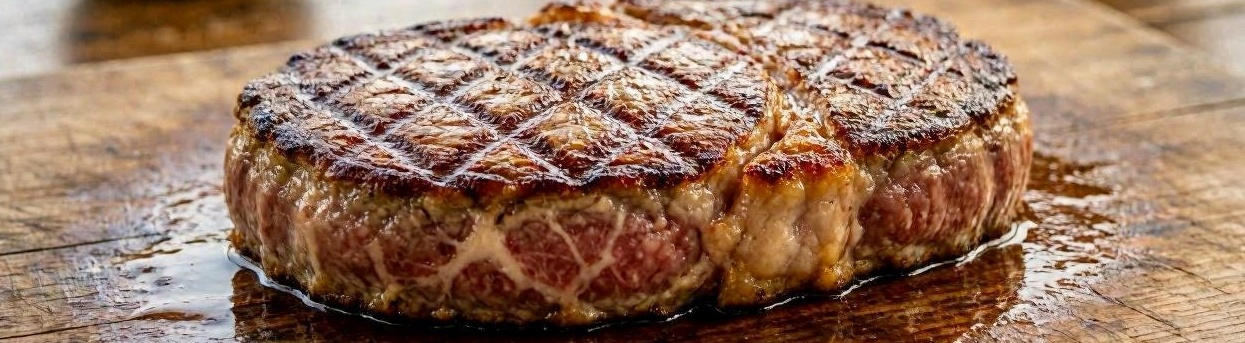
The first thing that changes is fuel stability. When you’re running on fat, your body isn’t waiting for the next carb hit. It taps into a massive reservoir of stored energy that most people never fully access. Workouts begin to feel smoother, more controlled, and less dependent on external boosts. You stop thinking about “running out of gas,” because your body isn’t burning through a tiny tank — it’s drawing from a deep well.
This shift doesn’t happen overnight. It’s part of the natural adaptation process your body goes through when transitioning from glucose to fat‑based energy. If you’ve already read the Carnivore Adaptation Timeline, you know that Week 2 and Week 3 are where this stability begins to lock in. That’s the moment workouts start feeling less like a fight and more like a rhythm your body was designed for.
As your metabolism settles into fat‑adaptation, something else begins to change: recovery. Carnivore naturally lowers inflammation, and you feel it after your workouts. Soreness fades faster. Muscles feel ready sooner. Many carnivore athletes report that they can train more frequently without feeling beat down, simply because their body isn’t fighting the constant inflammatory load that comes from processed foods, seed oils, and carb‑heavy eating.

Recovery isn’t just about inflammation — it’s also about electrolytes. When you train without carbs, your body uses sodium differently, and your performance depends on keeping those levels steady. This is where the Electrolytes on Carnivore article becomes essential. The same sodium that supports your daily energy also supports your training output, muscle contractions, and post‑workout recovery. When electrolytes are dialed in, workouts feel smoother, and fatigue becomes far less disruptive.
But the biggest shift is mental. Carnivore sharpens focus, and that clarity shows up in your training. You’re not distracted by hunger swings or energy dips. You’re not dragging yourself through the warm‑up. You’re present. You’re steady. You’re ready. This mental clarity becomes one of the most powerful performance tools you have, because it makes every workout feel intentional instead of forced.
People often assume that high‑intensity training requires carbs, but your body is far more adaptable than most nutrition advice suggests. When you eat meat, your body uses fat for long‑duration energy and glycogen for short bursts — and it replenishes that glycogen naturally through gluconeogenesis. This is why sprinters, lifters, and high‑intensity athletes can thrive on carnivore without ever touching carbs. Your body isn’t deprived. It’s efficient.
Fueling workouts on carnivore is simple: eat meat, eat enough, and trust your body. You don’t need pre‑workout supplements. You don’t need carb‑loading. You don’t need to “time” your meals. Your body will use what it needs, when it needs it. The simplicity is part of the power.
Hydration plays a quiet but crucial role in performance. Carnivore athletes often underestimate how much water they need once carbs are removed. Without glycogen holding water in the muscles, hydration becomes more dynamic — and more important. If you’ve read the The Top 10 Essential Tips For Starting Your Carnivore Diet, you already know that water and sodium work together to support strength, endurance, and recovery. When hydration is dialed in, your workouts feel cleaner, your energy feels steadier, and your performance becomes more predictable.
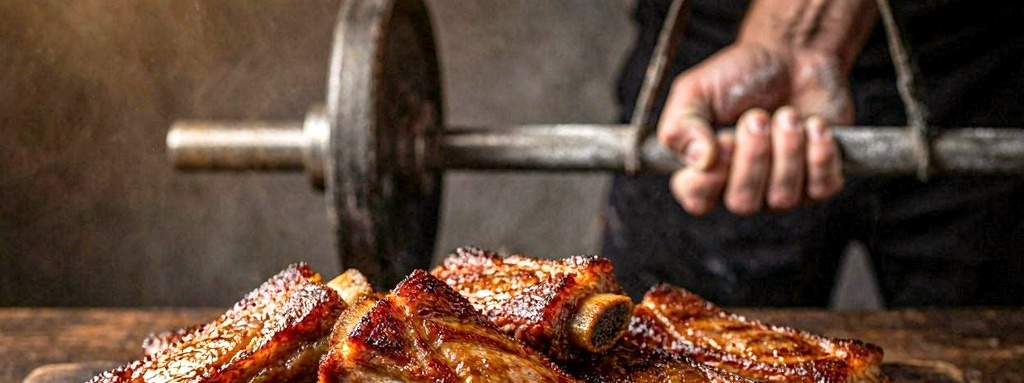
As you settle into carnivore, you’ll notice that your workouts begin to feel more natural. You’re not fighting your body. You’re working with it. Strength feels like it comes from a deeper place. Endurance feels smoother. High‑intensity bursts feel more controlled. And recovery becomes one of your greatest advantages.
Carnivore isn’t just a diet. It’s a performance system built into your biology. When you fuel your workouts with meat, you’re tapping into the way your body was designed to operate — steady, powerful, and clear.
And once you feel that shift, you’ll never look at “fueling your workouts” the same way again.
Carnivore Sleep Problems: Why You’re Not Sleeping — And How to Fix It
Carnivore Sleep Problems: Why They Happen and How to Fix Them
When Meat Clears Your Days but Complicates Your Nights
Carnivore has a way of sharpening your days. Energy steadies. Cravings fade. Digestion calms. Mental clarity rises. But nighttime can tell a different story. Some people fall asleep faster than ever, while others toss and turn. Some wake up at 3 AM with their mind wide awake. Others feel tired but strangely unable to drift off, as if their body and brain are no longer on the same schedule.
These sleep changes aren’t random, and they aren’t a sign that carnivore “isn’t working.” They’re signs that your metabolism is shifting gears and your nervous system is trying to keep up. Once you understand what’s happening inside your body, you can restore deep, consistent sleep with surprising speed.

Why Carnivore Disrupts Sleep — At First
When you remove carbohydrates, your body transitions from running on glucose to running on fat. This shift is powerful, but it’s also demanding. During the early phase, stress hormones like cortisol and adrenaline rise temporarily. Harvard Health notes that cortisol naturally fluctuates throughout the day, but dietary changes can amplify those swings, especially at night. That’s why you may feel “tired but wired,” or wake up earlier than usual.
Electrolytes also play a major role. Without carbs, your body flushes sodium and potassium more quickly. Low electrolytes can trigger restless legs, nighttime heart pounding, dehydration, and difficulty staying asleep. The NIH explains that electrolyte imbalance directly affects nerve signaling and muscle relaxation — two systems essential for sleep. Many carnivore beginners unknowingly run low on sodium, which raises adrenaline and disrupts sleep. Read More About It HERE.

Your circadian rhythm also recalibrates. Stable blood sugar helps regulate your internal clock, but the reset process can temporarily cause vivid dreams, early waking, or mid‑night awakenings. It’s not dysfunction — it’s recalibration.
And then there’s food intake. Carnivore suppresses appetite, which means many people unintentionally undereat. When your body doesn’t receive enough fuel, it wakes you up to get more. Eating too lean has the same effect. Fat is your slow‑burning nighttime energy source. Without enough of it, your body runs out of fuel in the middle of the night.
How to Restore Deep, Consistent Sleep
The good news is that carnivore sleep problems are almost always fixable — and the solutions are simple.
The first step is increasing fat. Fat stabilizes nighttime energy and calms stress hormones. A ribeye at dinner often works better than a lean sirloin. Butter, tallow, and 80/20 beef provide the slow‑release fuel your body needs to stay asleep.
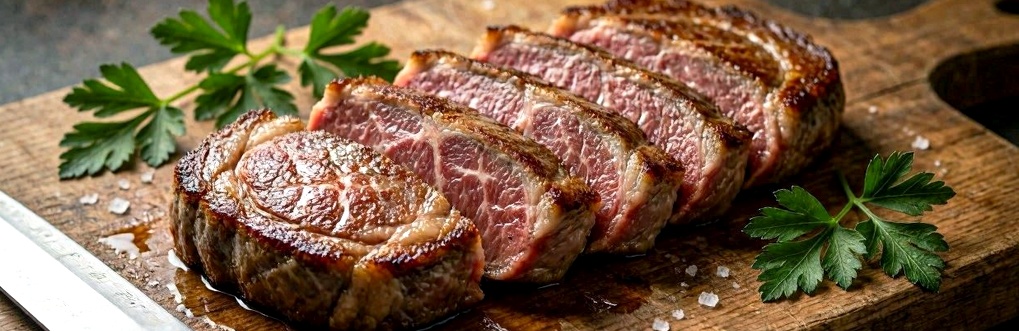
Sodium is the next pillar. Low sodium raises adrenaline, and adrenaline disrupts sleep. A pinch of salt before bed or a warm mug of salted bone broth can make a dramatic difference. Examine.com notes that sodium plays a direct role in fluid balance and nerve function — both essential for sleep.
Magnesium glycinate is another powerful tool. It supports muscle relaxation, deeper sleep, and lower nighttime cortisol. Many people find that 400 mg in the evening helps their body unwind.
Finally, your evening routine matters more on carnivore than you might expect. With stable blood sugar, your brain becomes more sensitive to light cues. Dim lights, reduced screen time, and a cool room help reinforce your circadian rhythm and make falling asleep easier.
What Your Next 30 Days Will Look Like
Most people experience a predictable sleep timeline on carnivore. During the first week, sleep may feel inconsistent. By week two, electrolytes stabilize and nighttime awakenings decrease. Week three brings calmer stress hormones and easier sleep onset. By week four, most people settle into deeper, more restorative sleep — often better than before carnivore.
Electrolytes on Carnivore: Fixing Fatigue, Cramps, and Low Energy the Right Way
Electrolytes on Carnivore: Fixing Fatigue, Cramps, and Low Energy the Right Way
When people begin the carnivore diet, they expect the mental clarity, the steady energy, the appetite freedom, and the simplicity of eating meat. What they don’t expect is the sudden wave of fatigue, headaches, muscle cramps, or that strange “hollow” feeling behind the eyes. It’s easy to assume something is wrong with the diet — but in reality, something much simpler is happening: your body is shifting from a carb‑dependent system to a fat‑powered one, and electrolytes are the bridge that makes the transition smooth instead of miserable.
Electrolytes aren’t optional on carnivore. They’re foundational. And once you understand how they work, you’ll know exactly how to fix the most common early‑stage problems — and how to keep your energy stable for the long haul.
Why Electrolytes Matter More on Carnivore Than Any Other Diet

On a standard diet, carbohydrates help your body retain water. When you remove carbs, insulin drops — which is good — but it also triggers your kidneys to release water and sodium. That’s why carnivore beginners often lose several pounds of water weight in the first week.
But water doesn’t leave alone.
It takes sodium, potassium, and magnesium with it.
This is why you can be eating ribeyes and still feel tired, lightheaded, crampy, foggy, irritable, or just “off.”
It’s not the diet.
It’s the electrolytes.

The Three Electrolytes Carnivore Beginners Must Prioritize
Sodium: The Foundation Mineral
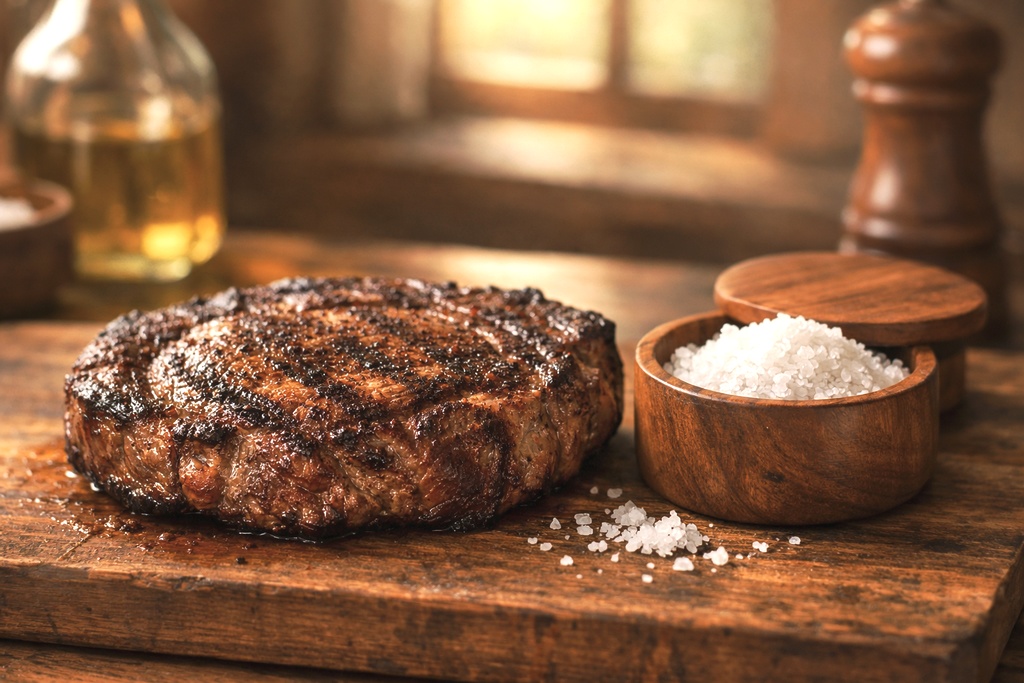
Sodium is the electrolyte most people under‑consume when they switch to carnivore. Without carbs, your kidneys flush sodium rapidly, and low sodium is the number‑one cause of headaches, fatigue, dizziness, low motivation, and brain fog.
Most carnivore beginners thrive at 4–6 grams of sodium per day — roughly 2–3 teaspoons of salt. That may sound like a lot, but it’s simply replacing what your body is losing.
A pinch of salt in your morning water, a warm mug of salted broth, and generously salting your meals is often enough to fix 70% of early carnivore symptoms.
Potassium: The Muscle + Nerve Mineral
Potassium is the quiet workhorse of your electrolyte system. You don’t feel it when it’s balanced — but you absolutely feel it when it’s low. Because carnivore flushes water quickly, potassium can dip just enough to cause problems even if you’re eating well.
Low potassium often shows up as sudden muscle cramps, restless legs at night, heart “flutters,” weakness during workouts, or that “wired but tired” feeling.
Most adults thrive around 3,000–4,700 mg per day, but you don’t need to track it. You simply need to eat enough total food volume.
Carnivore‑friendly potassium sources include ground beef, salmon, pork, and eggs. For example, a pound of ground beef contains roughly 1,200 mg of potassium, while a 6‑ounce serving of salmon provides around 700 mg. If you’re undereating, you’re under‑potassiumed. Eating enough meat is key to maintaining potassium, and your first carnivore grocery list helps beginners choose the right foods to stay energized.
Magnesium: The Calm‑Your‑System Mineral
Magnesium is the mineral that helps your muscles relax, your nerves settle, and your sleep deepen. Low magnesium can cause nighttime cramps, twitching, anxiety, poor sleep, and constipation.
Most people benefit from 200–400 mg of magnesium glycinate in the evening, especially during the first 30 days. Sardines, shellfish, and mineral water also help, but supplementation is often the simplest and most reliable option. For even more mineral support, explore organ meats for carnivore beginners, which offer some of the most nutrient‑dense options available.
Why Carnivore Beginners Feel “Off” — And How to Fix It Fast
Your body is not broken.
You’re not doing carnivore wrong.
You’re simply under‑mineralized.
When electrolytes drop, your body sends distress signals — but once your electrolyte balance is restored, those symptoms often disappear within hours. This simple shift is why so many carnivore beginners feel dramatically better after increasing salt, potassium‑rich foods, and magnesium.
The fix is simple: add 1–2 teaspoons of salt to your day, eat enough total food volume to get potassium, and add magnesium glycinate if you’re cramping or struggling with sleep. This is the difference between “carnivore is hard” and “carnivore feels incredible.”
Signs Your Electrolytes Are Finally Balanced
You’ll know you’ve hit the sweet spot when you feel steady, calm energy, clear thinking, strong appetite control, fewer cravings, better sleep, and no cramps or dizziness. This is the moment most people say, “Oh — THIS is what carnivore is supposed to feel like.”
What About Electrolyte Powders?
Electrolyte powders can be helpful, but many contain sweeteners, citric acid, flavorings, or fillers. If you use one, choose a clean, unsweetened option. But remember salt + meat + water is enough for most people.
Common Mistakes to Avoid
Most electrolyte issues come from simple, fixable habits. Here’s what they look like in real life.
You salt your steak lightly, thinking it’s “enough,” but your kidneys are flushing sodium faster than you’re replacing it. Result: headaches and fatigue.
You drink too much plain water trying to “stay hydrated,” but plain water dilutes electrolytes. Result: dizziness and brain fog.
You undereat — maybe you jumped into one meal a day too early — and your potassium intake drops. Result: low energy and muscle weakness. If cost is causing you to undereat, the carnivore on a budget guide shows how to eat enough without overspending.
You ignore early symptoms, assuming cramps or fatigue mean carnivore “isn’t working,” when it’s actually your body asking for minerals.
A simple troubleshooting checklist usually fixes everything: add half a teaspoon of salt immediately, eat a full meal, drink a glass of water with a pinch of salt, and take magnesium glycinate before bed. Most symptoms resolve within hours.
How to Build Your Personal Electrolyte Routine
Here’s a simple, plug‑and‑play routine that works for 90% of carnivore beginners.
Morning:
A glass of water with a pinch of salt, optional salted coffee, and a breakfast of eggs and beef with generous salting.
Midday:
A glass of water, a potassium‑rich lunch like beef or salmon, and salt added until the food tastes satisfying.
Afternoon:
If energy dips, sip salted broth. If you sweat, add an extra pinch of salt.
Evening:
Dinner of your choice, 200–400 mg magnesium glycinate, and optional warm salted broth before bed.
For active people:
Add half a teaspoon of extra salt on training days, drink salted water before workouts and prioritize potassium‑rich foods like ground beef and salmon.
For hot weather:
Increase salt by half to one teaspoon and add one extra glass of salted water.
This routine keeps your energy stable and prevents the “carnivore crash.”
Electrolytes for Athletes: Training Without Carbs
Athletes often worry that removing carbs will tank their performance — but electrolytes are the real key to maintaining strength, endurance, and recovery.
Sweat loss increases sodium needs, training increases magnesium usage, and muscle contractions depend on potassium balance. A simple athlete protocol includes salted water before workouts, salted water during heavy sweating, a potassium‑rich meal afterward, and magnesium glycinate in the evening for recovery.
This keeps performance stable while your body adapts to fat‑based fuel.
Your Carnivore Journey: You’re Not Doing This Alone
Electrolytes are one of the simplest fixes in the carnivore world, but they make one of the biggest differences. Once you dial them in, everything else becomes easier — energy, mood, workouts, sleep, cravings, and consistency.
You’re building a lifestyle, not just a diet. Please remember this is NOT a diet, it’s a Way Of Eating.
And this is one of the most important steps in making it sustainable.

Eating Out on Carnivore: The Ultimate Restaurant Survival Guide
Eating Out and Staying Carnivore: Your Real‑World Survival Guide

Eating carnivore at home is simple. Your kitchen is your territory — your cast‑iron pan knows exactly what to do, your fridge is stocked with ribeyes, and your routine is predictable. But the moment you step outside, the world becomes a maze of menus, marinades, sauces, and social expectations. Suddenly, the simplicity of meat‑salt‑water feels like it’s colliding with a culture built around bread baskets, sugary glazes, and “just try a bite” moments.
If you’ve ever felt that tension — the quiet worry that eating out might derail your progress — you’re not alone. Every carnivore eventually faces the same question: How do I stay on track when I’m not in control of the kitchen?
The truth is simple:
You can stay 100% carnivore anywhere — even at places you’d never expect.
You just need a strategy and a little confidence.
The Rule That Makes Eating Out Effortless
Everything becomes easier when you embrace one simple truth:

Every restaurant serves meat.
It doesn’t matter whether you’re at Texas Roadhouse, Outback Steakhouse, Chili’s, Cracker Barrel, Five Guys, Wendy’s, or even McDonald’s — there is always a protein option. Your job is to choose the meat, remove the extras, and ask for it prepared as cleanly as possible.
Once you internalize this, the stress disappears. You stop scanning menus for “carnivore‑friendly” items and start looking for what was always there: beef, chicken, pork, eggs, seafood. The protein is the anchor. Everything else is optional.
Steakhouses: The Carnivore Comfort Zone
If you ever feel unsure about where to eat, choose a steakhouse. They are, without question, the easiest place to stay carnivore.
At places like Texas Roadhouse, Logan’s Roadhouse, or Outback Steakhouse, you can order a ribeye cooked in butter with nothing but salt. Even if the menu is filled with elaborate dishes, you can always request your steak without seasoning blends, without marinades, and without sides.
Most servers hear this request every day. A simple, confident line — “Just salt, please, no seasoning blends or marinades” — is all it takes. You’ll walk away with a clean, satisfying meal that keeps you firmly on track.
BBQ Restaurants: Amazing… With One Warning
BBQ restaurants can be carnivore heaven or carnivore disaster depending on one thing: sugar.
At places like Mission BBQ, Sonny’s BBQ, or local smokehouses, the meat itself — brisket, pulled pork, ribs, smoked chicken — is usually fantastic when ordered plain. But sauces, glazes, and even dry rubs often contain hidden sweeteners.
Ask for your meat without sauce and without sugary rubs. Most pitmasters respect a simple request, and you’ll end up with a plate of smoky, tender protein that fits perfectly into your carnivore lifestyle.
Burger Joints: The Ultimate Travel Hack
When you’re on the road, nothing beats a burger place. Burgers are universally available, easy to customize, and surprisingly carnivore‑friendly.
At Five Guys, you can order a “no‑bun, no‑veggies, all‑meat” bowl with multiple patties, cheese, and bacon. They’ll even pack it in a tin tray that feels like it was designed for carnivores.
At Wendy’s, a “Dave’s Triple, no bun, no sauce” becomes a perfect carnivore meal.
At McDonald’s, you can order a “triple cheeseburger, no bun, no ketchup” and walk away with a clean, simple protein stack.
Even Culver’s will happily serve you a bunless ButterBurger with cheese and bacon.
These places are everywhere — which means carnivore options are everywhere. If you want to keep your restaurant spending low while staying fully carnivore, you’ll love this guide on carnivore on a budget strategies.
Breakfast Diners: Quietly the Best Option
If you’ve ever struggled to find something carnivore‑friendly on a lunch or dinner menu, try a breakfast diner instead.
Places like Cracker Barrel, Waffle House, IHOP, and local mom‑and‑pop diners are naturally carnivore‑friendly. Eggs, bacon, sausage, ham, and steak are available almost everywhere, and they can be ordered cleanly with very little modification.
The key is to avoid the sides — the hash browns, the toast, the pancakes, the gravy. A simple plate of eggs and meat is not only satisfying, it’s one of the easiest carnivore meals to order without drawing attention.
Seafood Restaurants: Clean, Simple, Reliable
Seafood restaurants offer a refreshing change of pace.
At places like Red Lobster, Bonefish Grill, or local seafood houses, you can order salmon, shrimp, scallops, oysters, crab legs, or lobster with nothing but butter. The only thing to watch for is preparation. Many seafood dishes come with glazes, breading, or sweet marinades.
A quick request for butter‑only preparation keeps your meal clean and delicious.
The Hidden Traps Most People Miss
Even when you order meat, there are a few sneaky ingredients that can slip into your meal without you realizing it.
Marinades often contain sugar and seed oils. Seasoning blends can include anti‑caking agents, MSG, or sweeteners. Butter blends may actually be margarine. Pre‑marinated chicken is almost always soaked in something you don’t want.
This is why a simple phrase — “Salt only, no seasoning blends or marinades” — is so powerful. If you want to build nutrient density at home while keeping things clean and simple, check out this beginner-friendly guide to organ meats on carnivore.
Social Situations Without Stress
Eating out isn’t just about food — it’s about people. And sometimes, the hardest part of staying carnivore is navigating social expectations.
You don’t need to explain your diet, defend your choices, or debate nutrition at the dinner table. If you’re new to carnivore and want a simple starting point that builds confidence, here’s your first carnivore grocery list.
“I feel better eating this way.”
It’s honest, it’s kind, and it ends the conversation without inviting questions.
When someone offers dessert, a gentle “I’m good, but thank you” is all you need. You’re not being difficult — you’re being intentional.
Travel, Road Trips, and Airports
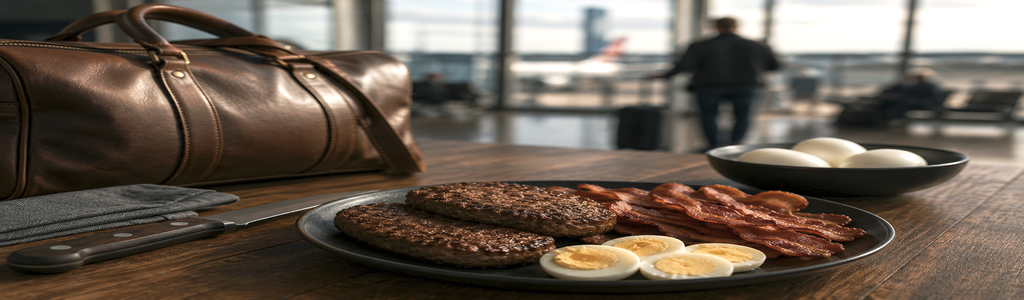
Traveling while carnivore doesn’t have to be stressful.
On the road, Five Guys, Wendy’s, Steak ’n Shake, and local BBQ joints become your best friends.
In airports, you’ll almost always find a burger place, a breakfast counter, or a steak bowl option.
Hotels will give you extra eggs, bacon, or butter if you ask.
Once you know where to look, you’ll realize that carnivore options are everywhere — you just have to see them.
Confidence Is the Real Secret
Staying carnivore while eating out isn’t about perfection. It’s about confidence. It’s about knowing what you need, asking for it clearly, and enjoying your meal without guilt or hesitation.
The more you practice, the easier it becomes. Soon, you’ll walk into any restaurant with the quiet assurance that you can stay on track no matter what’s on the menu.
Because the truth is simple:
You can stay carnivore anywhere.
And now, you know exactly how.
Carnivore and Mental Clarity: Why Your Brain Thrives on Meat
Carnivore and Mental Clarity: Why Your Brain Thrives on Meat
Most people assume mental clarity comes from cutting carbs, meditating more, or drinking another energy drink. But for thousands of people trying the carnivore diet, something far more dramatic happens — a sudden shift in the way the brain feels and functions. Thoughts sharpen. Fog lifts. Focus returns. And it happens with a speed that surprises even the most skeptical beginners. This isn’t a placebo effect or a motivational surge from starting a new diet. It’s a real, measurable change in how the brain operates when it finally receives the fuel it was designed to run on.
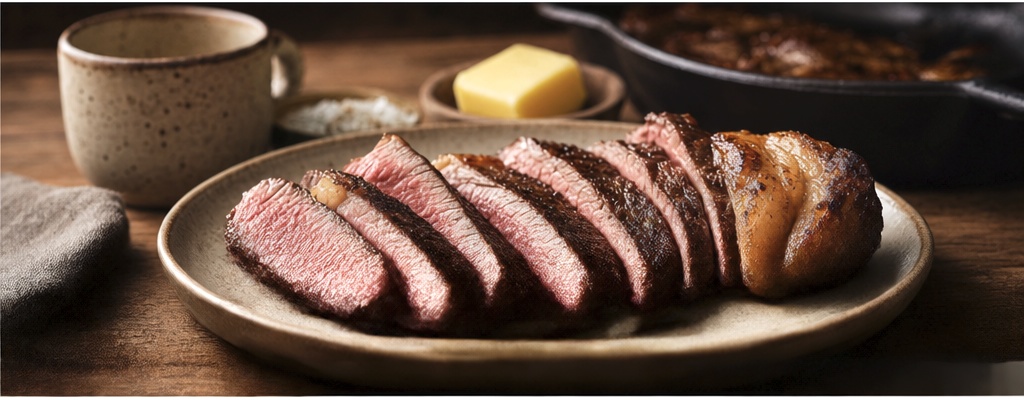
Mental clarity is often described as a feeling, but in reality, it’s a combination of cognitive abilities working together. It’s the ease of recalling information without searching for it. It’s the ability to stay focused on a task without drifting. It’s the sense of emotional steadiness that makes decision‑making feel less overwhelming. Many people don’t realize how foggy they’ve been until the fog disappears — and suddenly life feels lighter, calmer, and more manageable. The carnivore diet has a unique way of revealing just how much the modern diet has been clouding the mind.
Why the Carnivore Diet Impacts the Brain So Quickly
One of the most immediate changes people experience on carnivore comes from fuel stability. Carbohydrates create a constant cycle of spikes and crashes, forcing the brain to adapt to inconsistent energy. Meat doesn’t do that. When glucose stops swinging, the brain stops panicking. The result is a steady, predictable stream of energy that supports clear thinking. For readers who prefer a more flexible approach, What Is Ketovore? offers a gentle bridge between keto and carnivore while still supporting this stable fuel environment.
Another reason clarity improves so quickly is the shift toward ketones. Ketones burn cleaner than glucose and produce fewer inflammatory byproducts. They provide a more efficient, more reliable energy source for neurons. Many people describe this transition as “my brain finally turned back on,” a moment when mental fog lifts and thoughts feel crisp again. It’s not magic — it’s simply the brain receiving a fuel source it can use without friction.
Inflammation also plays a major role in mental fog. Plant toxins, seed oils, sugar, and ultra‑processed foods all contribute to neuroinflammation, even in people who don’t feel physically inflamed. When these foods are removed, the brain finally has room to breathe.
There’s also a profound shift in neurotransmitters. Meat provides the amino acids needed to support dopamine, serotonin, and GABA — the chemicals responsible for motivation, mood, and calm focus. When these neurotransmitters rebalance, many carnivore beginners say they feel “even” for the first time in years. Their brain chemistry stabilizes, and with it comes a sense of emotional clarity that’s just as powerful as the cognitive clarity.
What Mental Clarity Feels Like on Carnivore
People describe the mental clarity of carnivore in ways that are surprisingly consistent. Some say, “My brain turned back on,” as if a switch flipped. Others notice they can finish tasks again without drifting or feeling overwhelmed. Many don’t realize how foggy they were until the fog disappears, revealing a version of themselves they haven’t felt in years. This is the psychological side of metabolic healing — the moment when the brain stops fighting for stability and begins functioning the way it was meant to.
Understanding the Roots of Brain Fog
Brain fog rarely comes from a single cause. It’s usually the result of several stressors working together: unstable blood sugar, chronic inflammation, food sensitivities, poor sleep, nutrient deficiencies, seed oils, and ultra‑processed foods. The modern diet is full of these triggers, and most people live in a constant state of low‑grade cognitive stress without realizing it. Carnivore removes nearly all of these stressors at once, which is why clarity often returns so quickly. When the brain is no longer inflamed, under‑fueled, or chemically imbalanced, it can finally function the way it was designed to.

How Long It Takes to Notice a Difference
The timeline for mental clarity varies, but most people notice a shift within the first few days. The first 24 to 72 hours often bring a reduction in fog as blood sugar stabilizes. Within one to two weeks, focus improves and thoughts feel more organized. By three to six weeks, mental energy becomes stable and predictable. The transition is even smoother when electrolytes are dialed in, which is why many readers benefit from exploring Electrolytes on Carnivore for guidance.
Supporting Mental Clarity Through the Carnivore Lifestyle
Maximizing mental clarity on carnivore isn’t complicated. The brain thrives on fat, so prioritizing fatty cuts makes a noticeable difference. Consistent electrolytes support stable energy and prevent the sluggishness that can appear during adaptation. Eating enough food is essential — under‑eating is one of the fastest ways to lose clarity. Some people find that avoiding dairy early on helps reduce inflammation, and staying hydrated supports every part of the process. For readers who are new to this way of eating, Carnivore for Beginners offers a simple, supportive starting point.
The Real‑World Impact of Mental Clarity
The benefits of mental clarity extend far beyond the diet itself. Carnivore beginners often report better productivity at work, more patience with family, easier decision‑making, and a sense of emotional stability they haven’t felt in years. These aren’t small changes — they shape how people show up in their daily lives. For those who want consistent, high‑quality, Carnivore Club offers convenient grab‑and‑go options that support the lifestyle without stress.
Consider This
If your brain feels foggy, scattered, or exhausted, it’s not a character flaw — it’s chemistry. Your brain is an organ, and like every organ, it depends on the fuel you give it. For many people, that fuel is meat. When you remove the foods that inflame the brain and replace them with foods that nourish it, clarity isn’t a miracle. It’s the natural state your mind was designed for.
5 Hidden Benefits of the Carnivore Diet
5 Hidden Benefits of the Carnivore Diet
(Nobody Talks About These) 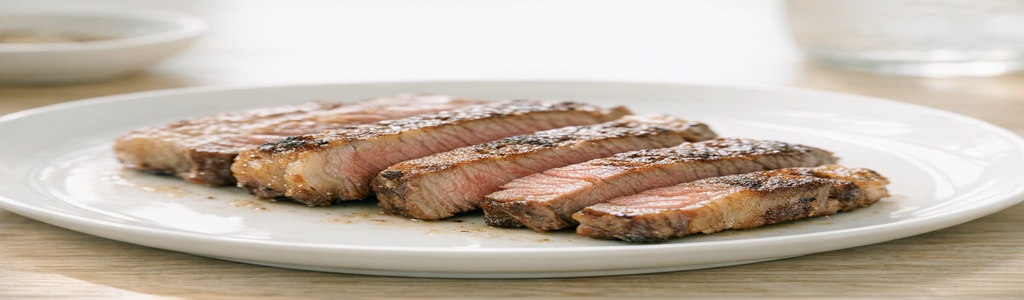
Most people come to the carnivore diet with a simple hope: maybe this will finally work. They’re tired of counting, tracking, negotiating with themselves, and waking up every morning already feeling behind. Carnivore feels like a last attempt — a final experiment, a quiet prayer whispered into a plate of ribeye.
But what nobody tells you is that the real transformation doesn’t happen on the scale. It happens in the quiet corners of your life — the moments you weren’t even paying attention to.
1. A Calm You Forgot You Could Feel
The first sign is usually subtle. You wake up one morning and realize you’re not bracing yourself for the day. There’s no heaviness sitting on your chest, no emotional static buzzing under your skin. You’re just… steady.
Not euphoric. Not wired. Just calm in a way you didn’t realize you’d been missing. It’s the kind of calm that makes you wonder how long you’ve been living in a storm without noticing the wind.
This shift isn’t accidental. When you remove inflammatory foods — seed oils, refined sugars, ultra-processed carbohydrates — you also remove a constant low-grade assault on your nervous system. The blood sugar spikes and crashes that once drove your mood and energy level start to flatten out. Your cortisol response stabilizes. Your brain, finally running on a consistent fuel source in the form of fat and ketones, stops lurching from crisis to crisis.
Many carnivore dieters report that anxiety they’d accepted as simply “who they are” begins to fade within the first few weeks. Not because carnivore is magic — but because for some people, a significant source of their anxiety was metabolic and dietary all along.
2. Hunger That Actually Makes Sense
Then something else shifts — your appetite. Not because you’re trying harder, but because your body finally stops shouting at you.
Hunger becomes a gentle nudge instead of a demand. You eat, you’re satisfied, and you move on with your day without thinking about food again. For the first time in years, you’re not negotiating with cravings or mentally planning your next meal while you’re still finishing the one in front of you.
This happens because protein and fat are extraordinarily satiating macronutrients. Animal protein triggers the release of satiety hormones like peptide YY and GLP-1, which signal fullness in a way that most carbohydrate-heavy meals simply cannot replicate. Fat slows digestion and provides sustained energy, which means your body isn’t screaming for more fuel two hours after eating.
What’s more, the hormonal rollercoaster driven by sugar and refined carbs — the sharp insulin spike followed by the crash that leaves you raiding the pantry — disappears entirely. Your hunger becomes predictable, manageable, and rational.
If you’re still navigating those early days, you’ll appreciate the guidance in
Top 10 Essential Tips for Starting Your Carnivore Journey.
3. Skin That Finally Exhaled
Somewhere along the way, you catch your reflection and pause. Your face looks different — not thinner, necessarily, but clearer. The puffiness softens. The redness fades. Your skin looks like it finally exhaled.
People start asking if you’ve changed your skincare routine, and you laugh because the answer is yes, but not in the way they think. You didn’t add anything. You removed the things that were quietly irritating you all along.
For many people, chronic skin issues — acne, eczema, rosacea, general puffiness — are rooted in gut inflammation and food sensitivities. The standard Western diet is loaded with potential triggers: gluten, dairy, soy, refined sugars, and seed oils, all of which can drive systemic inflammation that manifests on the skin.
The carnivore diet eliminates every one of those triggers simultaneously. And because animal foods are rich in zinc, vitamin A (from organ meats), and collagen-supporting glycine, your skin isn’t just losing inflammation — it’s being actively nourished from the inside out.
If that sounds too good to be true,
The Carnivore Diet: Debunking Myths and Exploring Potential Benefits breaks down why it isn’t.
4. Sleep Deep Enough to Actually Rest
Then comes the sleep. The deep, heavy, dream-soaked kind you thought only children were capable of.
You fall asleep faster, stay asleep longer, and wake up feeling like your brain actually rested instead of running a marathon all night. It’s the kind of sleep that makes you realize how long you’ve been living in a fog.
The connection between diet and sleep quality is well established but routinely underestimated. Blood sugar instability is one of the most common culprits behind broken, restless sleep — when your glucose drops in the early hours, your body releases stress hormones to compensate, jolting you awake at 2 or 3am. On carnivore, that instability disappears.
Additionally, amino acids in animal protein — particularly tryptophan — support serotonin and melatonin production, the very hormones that regulate your sleep-wake cycle. With inflammation reduced and your nervous system no longer bouncing between highs and lows, your body can finally settle into the deep, restorative sleep stages it was designed to spend time in.

5. The Food Noise Goes Quiet
But the most surprising change — the one that catches almost everyone off guard — is the silence.
The food noise disappears.
The constant chatter, the guilt, the second-guessing, the “should I eat?” and “why do I want this?” and “what’s wrong with me?” — it all fades. Food becomes simple again. A tool, not a battle. A choice, not a compulsion.
You don’t realize how much mental space food was occupying until it stops renting a room in your head. Entire hours return to you. The low hum of food-related anxiety that you’d mistaken for personality simply stops.
This is one of the most profound and least-discussed benefits of carnivore eating. When blood sugar is stable, dopamine regulation normalizes, and the reward-driven loop that keeps you chasing your next hit of sugar or processed food breaks. Food loses its emotional charge. You eat because you’re hungry. You stop because you’re satisfied. The relationship becomes clean.

What This All Means
You came for weight loss.
You stayed because your life started feeling easier.
The hidden benefits aren’t actually hidden — they were waiting for you all along, buried beneath the noise, the cravings, and the inflammation. Calm energy. Rational hunger. Clearer skin. Deep sleep. Mental quiet. These aren’t side effects. For many people, they are the whole point.
Carnivore isn’t a diet you white-knuckle your way through. When it works, it’s a diet that starts doing the work for you — quietly, steadily, in the background of your ordinary days.
If you want to understand more about why carnivore works the way it does,
Exploring the Carnivore Diet: Basics, Benefits, and What You Need to Know is the perfect next step.