Monthly Archives: June 2026
Electrolytes on Carnivore: Fixing Fatigue, Cramps, and Low Energy the Right Way
Electrolytes on Carnivore: Fixing Fatigue, Cramps, and Low Energy the Right Way
When people begin the carnivore diet, they expect the mental clarity, the steady energy, the appetite freedom, and the simplicity of eating meat. What they don’t expect is the sudden wave of fatigue, headaches, muscle cramps, or that strange “hollow” feeling behind the eyes. It’s easy to assume something is wrong with the diet — but in reality, something much simpler is happening: your body is shifting from a carb‑dependent system to a fat‑powered one, and electrolytes are the bridge that makes the transition smooth instead of miserable.
Electrolytes aren’t optional on carnivore. They’re foundational. And once you understand how they work, you’ll know exactly how to fix the most common early‑stage problems — and how to keep your energy stable for the long haul.
Why Electrolytes Matter More on Carnivore Than Any Other Diet

On a standard diet, carbohydrates help your body retain water. When you remove carbs, insulin drops — which is good — but it also triggers your kidneys to release water and sodium. That’s why carnivore beginners often lose several pounds of water weight in the first week.
But water doesn’t leave alone.
It takes sodium, potassium, and magnesium with it.
This is why you can be eating ribeyes and still feel tired, lightheaded, crampy, foggy, irritable, or just “off.”
It’s not the diet.
It’s the electrolytes.

The Three Electrolytes Carnivore Beginners Must Prioritize
Sodium: The Foundation Mineral
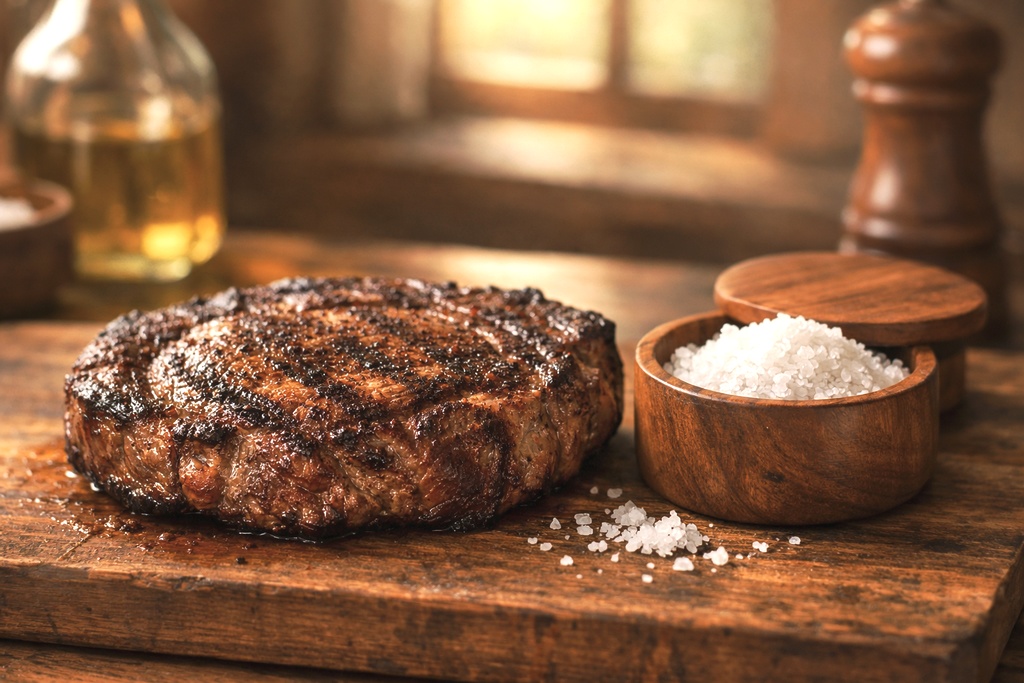
Sodium is the electrolyte most people under‑consume when they switch to carnivore. Without carbs, your kidneys flush sodium rapidly, and low sodium is the number‑one cause of headaches, fatigue, dizziness, low motivation, and brain fog.
Most carnivore beginners thrive at 4–6 grams of sodium per day — roughly 2–3 teaspoons of salt. That may sound like a lot, but it’s simply replacing what your body is losing.
A pinch of salt in your morning water, a warm mug of salted broth, and generously salting your meals is often enough to fix 70% of early carnivore symptoms.

Potassium: The Muscle + Nerve Mineral
Potassium is the quiet workhorse of your electrolyte system. You don’t feel it when it’s balanced — but you absolutely feel it when it’s low. Because carnivore flushes water quickly, potassium can dip just enough to cause problems even if you’re eating well.
Low potassium often shows up as sudden muscle cramps, restless legs at night, heart “flutters,” weakness during workouts, or that “wired but tired” feeling.
Most adults thrive around 3,000–4,700 mg per day, but you don’t need to track it. You simply need to eat enough total food volume.
Carnivore‑friendly potassium sources include ground beef, salmon, pork, and eggs. For example, a pound of ground beef contains roughly 1,200 mg of potassium, while a 6‑ounce serving of salmon provides around 700 mg. If you’re undereating, you’re under‑potassiumed. Eating enough meat is key to maintaining potassium, and your first carnivore grocery list helps beginners choose the right foods to stay energized.
Magnesium: The Calm‑Your‑System Mineral
Magnesium is the mineral that helps your muscles relax, your nerves settle, and your sleep deepen. Low magnesium can cause nighttime cramps, twitching, anxiety, poor sleep, and constipation.
Most people benefit from 200–400 mg of magnesium glycinate in the evening, especially during the first 30 days. Sardines, shellfish, and mineral water also help, but supplementation is often the simplest and most reliable option. For even more mineral support, explore organ meats for carnivore beginners, which offer some of the most nutrient‑dense options available.
Why Carnivore Beginners Feel “Off” — And How to Fix It Fast
Your body is not broken.
You’re not doing carnivore wrong.
You’re simply under‑mineralized.
When electrolytes drop, your body sends distress signals — but once your electrolyte balance is restored, those symptoms often disappear within hours. This simple shift is why so many carnivore beginners feel dramatically better after increasing salt, potassium‑rich foods, and magnesium.
The fix is simple: add 1–2 teaspoons of salt to your day, eat enough total food volume to get potassium, and add magnesium glycinate if you’re cramping or struggling with sleep. This is the difference between “carnivore is hard” and “carnivore feels incredible.”
Signs Your Electrolytes Are Finally Balanced
You’ll know you’ve hit the sweet spot when you feel steady, calm energy, clear thinking, strong appetite control, fewer cravings, better sleep, and no cramps or dizziness. This is the moment most people say, “Oh — THIS is what carnivore is supposed to feel like.”
What About Electrolyte Powders?
Electrolyte powders can be helpful, but many contain sweeteners, citric acid, flavorings, or fillers. If you use one, choose a clean, unsweetened option. But remember salt + meat + water is enough for most people.
Common Mistakes to Avoid
Most electrolyte issues come from simple, fixable habits. Here’s what they look like in real life.
You salt your steak lightly, thinking it’s “enough,” but your kidneys are flushing sodium faster than you’re replacing it. Result: headaches and fatigue.
You drink too much plain water trying to “stay hydrated,” but plain water dilutes electrolytes. Result: dizziness and brain fog.
You undereat — maybe you jumped into one meal a day too early — and your potassium intake drops. Result: low energy and muscle weakness. If cost is causing you to undereat, the carnivore on a budget guide shows how to eat enough without overspending.
You ignore early symptoms, assuming cramps or fatigue mean carnivore “isn’t working,” when it’s actually your body asking for minerals.
A simple troubleshooting checklist usually fixes everything: add half a teaspoon of salt immediately, eat a full meal, drink a glass of water with a pinch of salt, and take magnesium glycinate before bed. Most symptoms resolve within hours.
How to Build Your Personal Electrolyte Routine
Here’s a simple, plug‑and‑play routine that works for 90% of carnivore beginners.
Morning:
A glass of water with a pinch of salt, optional salted coffee, and a breakfast of eggs and beef with generous salting.
Midday:
A glass of water, a potassium‑rich lunch like beef or salmon, and salt added until the food tastes satisfying.
Afternoon:
If energy dips, sip salted broth. If you sweat, add an extra pinch of salt.
Evening:
Dinner of your choice, 200–400 mg magnesium glycinate, and optional warm salted broth before bed.
For active people:
Add half a teaspoon of extra salt on training days, drink salted water before workouts and prioritize potassium‑rich foods like ground beef and salmon.
For hot weather:
Increase salt by half to one teaspoon and add one extra glass of salted water.
This routine keeps your energy stable and prevents the “carnivore crash.”
Electrolytes for Athletes: Training Without Carbs
Athletes often worry that removing carbs will tank their performance — but electrolytes are the real key to maintaining strength, endurance, and recovery.
Sweat loss increases sodium needs, training increases magnesium usage, and muscle contractions depend on potassium balance. A simple athlete protocol includes salted water before workouts, salted water during heavy sweating, a potassium‑rich meal afterward, and magnesium glycinate in the evening for recovery.
This keeps performance stable while your body adapts to fat‑based fuel.
Your Carnivore Journey: You’re Not Doing This Alone
Electrolytes are one of the simplest fixes in the carnivore world, but they make one of the biggest differences. Once you dial them in, everything else becomes easier — energy, mood, workouts, sleep, cravings, and consistency.
You’re building a lifestyle, not just a diet. Please remember this is NOT a diet, it’s a Way Of Eating.
And this is one of the most important steps in making it sustainable.

Eating Out on Carnivore: The Ultimate Restaurant Survival Guide
Eating Out and Staying Carnivore: Your Real‑World Survival Guide

Eating carnivore at home is simple. Your kitchen is your territory — your cast‑iron pan knows exactly what to do, your fridge is stocked with ribeyes, and your routine is predictable. But the moment you step outside, the world becomes a maze of menus, marinades, sauces, and social expectations. Suddenly, the simplicity of meat‑salt‑water feels like it’s colliding with a culture built around bread baskets, sugary glazes, and “just try a bite” moments.
If you’ve ever felt that tension — the quiet worry that eating out might derail your progress — you’re not alone. Every carnivore eventually faces the same question: How do I stay on track when I’m not in control of the kitchen?
The truth is simple:
You can stay 100% carnivore anywhere — even at places you’d never expect.
You just need a strategy and a little confidence.
The Rule That Makes Eating Out Effortless
Everything becomes easier when you embrace one simple truth:

Every restaurant serves meat.
It doesn’t matter whether you’re at Texas Roadhouse, Outback Steakhouse, Chili’s, Cracker Barrel, Five Guys, Wendy’s, or even McDonald’s — there is always a protein option. Your job is to choose the meat, remove the extras, and ask for it prepared as cleanly as possible.
Once you internalize this, the stress disappears. You stop scanning menus for “carnivore‑friendly” items and start looking for what was always there: beef, chicken, pork, eggs, seafood. The protein is the anchor. Everything else is optional.
Steakhouses: The Carnivore Comfort Zone
If you ever feel unsure about where to eat, choose a steakhouse. They are, without question, the easiest place to stay carnivore.
At places like Texas Roadhouse, Logan’s Roadhouse, or Outback Steakhouse, you can order a ribeye cooked in butter with nothing but salt. Even if the menu is filled with elaborate dishes, you can always request your steak without seasoning blends, without marinades, and without sides.
Most servers hear this request every day. A simple, confident line — “Just salt, please, no seasoning blends or marinades” — is all it takes. You’ll walk away with a clean, satisfying meal that keeps you firmly on track.
BBQ Restaurants: Amazing… With One Warning
BBQ restaurants can be carnivore heaven or carnivore disaster depending on one thing: sugar.
At places like Mission BBQ, Sonny’s BBQ, or local smokehouses, the meat itself — brisket, pulled pork, ribs, smoked chicken — is usually fantastic when ordered plain. But sauces, glazes, and even dry rubs often contain hidden sweeteners.
Ask for your meat without sauce and without sugary rubs. Most pitmasters respect a simple request, and you’ll end up with a plate of smoky, tender protein that fits perfectly into your carnivore lifestyle.
Burger Joints: The Ultimate Travel Hack
When you’re on the road, nothing beats a burger place. Burgers are universally available, easy to customize, and surprisingly carnivore‑friendly.
At Five Guys, you can order a “no‑bun, no‑veggies, all‑meat” bowl with multiple patties, cheese, and bacon. They’ll even pack it in a tin tray that feels like it was designed for carnivores.
At Wendy’s, a “Dave’s Triple, no bun, no sauce” becomes a perfect carnivore meal.
At McDonald’s, you can order a “triple cheeseburger, no bun, no ketchup” and walk away with a clean, simple protein stack.
Even Culver’s will happily serve you a bunless ButterBurger with cheese and bacon.
These places are everywhere — which means carnivore options are everywhere. If you want to keep your restaurant spending low while staying fully carnivore, you’ll love this guide on carnivore on a budget strategies.
Breakfast Diners: Quietly the Best Option
If you’ve ever struggled to find something carnivore‑friendly on a lunch or dinner menu, try a breakfast diner instead.
Places like Cracker Barrel, Waffle House, IHOP, and local mom‑and‑pop diners are naturally carnivore‑friendly. Eggs, bacon, sausage, ham, and steak are available almost everywhere, and they can be ordered cleanly with very little modification.
The key is to avoid the sides — the hash browns, the toast, the pancakes, the gravy. A simple plate of eggs and meat is not only satisfying, it’s one of the easiest carnivore meals to order without drawing attention.
Seafood Restaurants: Clean, Simple, Reliable
Seafood restaurants offer a refreshing change of pace.
At places like Red Lobster, Bonefish Grill, or local seafood houses, you can order salmon, shrimp, scallops, oysters, crab legs, or lobster with nothing but butter. The only thing to watch for is preparation. Many seafood dishes come with glazes, breading, or sweet marinades.
A quick request for butter‑only preparation keeps your meal clean and delicious.
The Hidden Traps Most People Miss
Even when you order meat, there are a few sneaky ingredients that can slip into your meal without you realizing it.
Marinades often contain sugar and seed oils. Seasoning blends can include anti‑caking agents, MSG, or sweeteners. Butter blends may actually be margarine. Pre‑marinated chicken is almost always soaked in something you don’t want.
This is why a simple phrase — “Salt only, no seasoning blends or marinades” — is so powerful. If you want to build nutrient density at home while keeping things clean and simple, check out this beginner-friendly guide to organ meats on carnivore.
Social Situations Without Stress
Eating out isn’t just about food — it’s about people. And sometimes, the hardest part of staying carnivore is navigating social expectations.
You don’t need to explain your diet, defend your choices, or debate nutrition at the dinner table. If you’re new to carnivore and want a simple starting point that builds confidence, here’s your first carnivore grocery list.
“I feel better eating this way.”
It’s honest, it’s kind, and it ends the conversation without inviting questions.
When someone offers dessert, a gentle “I’m good, but thank you” is all you need. You’re not being difficult — you’re being intentional.
Travel, Road Trips, and Airports
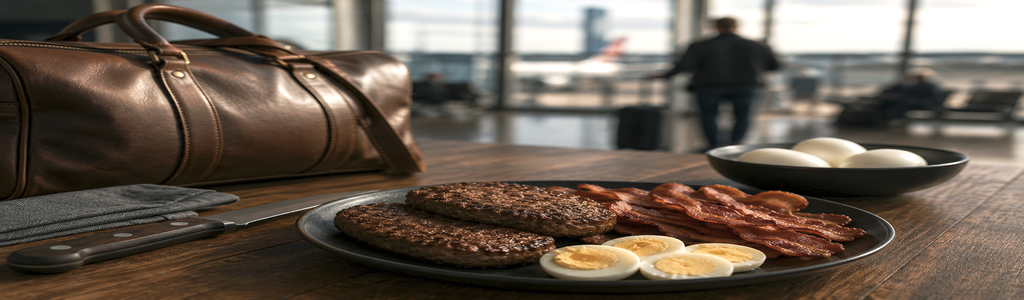
Traveling while carnivore doesn’t have to be stressful.
On the road, Five Guys, Wendy’s, Steak ’n Shake, and local BBQ joints become your best friends.
In airports, you’ll almost always find a burger place, a breakfast counter, or a steak bowl option.
Hotels will give you extra eggs, bacon, or butter if you ask.
Once you know where to look, you’ll realize that carnivore options are everywhere — you just have to see them.
Confidence Is the Real Secret
Staying carnivore while eating out isn’t about perfection. It’s about confidence. It’s about knowing what you need, asking for it clearly, and enjoying your meal without guilt or hesitation.
The more you practice, the easier it becomes. Soon, you’ll walk into any restaurant with the quiet assurance that you can stay on track no matter what’s on the menu.
Because the truth is simple:
You can stay carnivore anywhere.
And now, you know exactly how.