carnivore
Carnivore Diet Cholesterol: What Your Bloodwork Really Means

Carnivore Diet Cholesterol: What Your Bloodwork Really Means

You’ve been eating carnivore for a few months. You feel good, your energy is steady, and then the lab results come back with a cholesterol number that makes your doctor frown. Now what?
Carnivore diet cholesterol is one of the most searched, most argued-over, and most misunderstood topics in this whole way of eating. This post walks you through what the numbers on your bloodwork mean, what commonly changes on carnivore, and how to have a smart, calm conversation with your doctor. This is general education, not medical advice. Please work with a healthcare professional you trust, especially if you take medication or have a history of heart disease.
Jump to: Lab Numbers | LDL in Context | Tests to Ask About | What Skews Results | Talking to Your Doctor | FAQ
Why Carnivore Diet Cholesterol Can Change
When you cut out carbohydrates and eat mostly animal foods, your body’s fat and cholesterol handling shifts. Many people see a similar carnivore diet cholesterol pattern in their labs:
- LDL cholesterol often rises, sometimes a lot.
- HDL cholesterol often rises too.
- Triglycerides often drop, sometimes dramatically.
That last pair matters. High triglycerides and low HDL are the combination most associated with metabolic trouble, and carnivore frequently moves both in the direction people want. LDL is where the debate lives. Other low-carb approaches can shift these numbers differently, as covered in Carnivore Diet vs Keto, Paleo, and Standard Diets.

The Numbers on Your Lab Report, Decoded
A standard lipid panel gives you four main numbers. Here is what each one tells you.
Total cholesterol. This is a sum of several things, including LDL, HDL, and a portion of your triglycerides. On its own it tells you very little, because a high HDL can push it up in a perfectly healthy way.
LDL-C. This is the amount of cholesterol carried inside LDL particles, and it is usually calculated rather than measured directly. The calculation was built around people eating a typical high-carb diet, so it can be less reliable when your triglycerides are very low.
HDL-C. Often called the “good” cholesterol. Higher levels are generally associated with better cardiovascular health.
Triglycerides. Fats circulating in your blood. They are strongly influenced by carbohydrate and sugar intake, which is why they tend to fall when carbs disappear.
The Triglyceride-to-HDL Ratio
One simple number you can calculate yourself is your triglycerides divided by your HDL. A lower ratio is generally considered a sign of better metabolic health. Many people eating low-carb find this ratio improves, even when LDL goes up. It is not a diagnosis, but it is a useful part of the bigger picture.
Why LDL Alone May Not Tell the Whole Story
Mainstream cardiology treats high LDL as a risk factor, and that position is backed by a large body of research. At the same time, some researchers and clinicians argue that on a low-carb diet, LDL needs to be read in context, alongside inflammation, insulin, and particle measurements. This is an honest, ongoing debate, and you deserve to hear both sides.
What both sides tend to agree on is that a single LDL number is a blunt tool. That is why more detailed testing can be worth asking about.
If you want to hear another perspective, Dr. Ken Berry talks about cholesterol in this video on YouTube. It is one physician’s viewpoint, so treat it as a starting point for your own questions. You can also read Dr. Ken Berry’s take on inflammatory foods here on the blog.
Tests Worth Asking Your Doctor About
If your LDL jumps after going carnivore, consider asking whether any of these make sense for you:
- ApoB. Counts the number of particles that can carry cholesterol into artery walls. Many doctors consider it a more precise marker than LDL-C.
- Lp(a). A genetically determined particle that does not change much with diet. It is worth knowing once in your life.
- hs-CRP. A marker of inflammation.
- Fasting insulin and fasting glucose (or A1c). Show how your body is handling blood sugar.
- Coronary artery calcium (CAC) scan. An imaging test that looks directly for plaque in the heart’s arteries, rather than inferring risk from blood markers.
These tests give you and your doctor far more to work with than one cholesterol number.
Things That Can Skew Your Results
Before you worry about carnivore diet cholesterol, check the basics.
- Recent weight loss. Cholesterol can temporarily spike while your body is actively losing fat and releasing stored lipids. Testing in a stable period gives a truer picture.
- Fasting state. Follow your lab’s instructions, since a poorly timed draw can change triglycerides.
- A very recent diet change. Your numbers may still be settling a few weeks in.
- Thyroid function. An underactive thyroid can raise cholesterol, so it is worth ruling out.
If your results look surprising, retesting after a stable stretch is a reasonable step to discuss with your doctor. Keeping a simple log of what you eat and how you feel, as described in How to Track Progress on the Carnivore Diet, makes each retest far more useful.
Practical Ways to Support Healthy Carnivore Diet Cholesterol
There is no single answer, but many people experiment, with their doctor’s guidance, in a few areas:
- Fat choices. Some people find their LDL responds to shifting from very high saturated fat sources toward more fish and leaner cuts.
- Total calories and body composition. Eating enough, and keeping steady muscle mass, supports healthier labs.
- Fatty fish. Salmon, sardines, and mackerel add omega-3 fats.
- Sleep, stress, and movement. These affect lipids more than most people expect.
Change one thing at a time and retest, so you actually learn what is making the difference. If you want to add nutrient-dense foods, Organ Meats for Carnivore Beginners shows how to start gently.

How to Talk With Your Doctor
To discuss carnivore diet cholesterol, bring your full lab history, tell your doctor exactly what you are eating, and ask good questions: Which markers matter most for my situation? Is ApoB or a CAC scan appropriate? What would you want to see before recommending medication? A doctor who listens and is willing to look at the whole picture is worth keeping. If you take a statin or other medication, never stop it on your own because of something you read online.
Key Takeaways
- Carnivore diet cholesterol often means higher LDL and HDL with lower triglycerides.
- A single LDL number is a blunt tool; ApoB, Lp(a), hs-CRP, insulin, and a CAC scan add real context.
- Recent weight loss and testing conditions can skew results, so retest during a stable period.
- The science is still debated, so work with a professional rather than relying on internet opinions, including this one.
Carnivore Diet Cholesterol FAQ
Is high LDL on carnivore dangerous?
It depends on the person. Mainstream cardiology treats elevated LDL as a risk factor, while some low-carb clinicians argue it must be read alongside triglycerides, HDL, inflammation, and particle counts. Ask your doctor about ApoB and a CAC scan so you are judging risk from more than one number.
How long does it take for cholesterol to change on carnivore?
Changes can show up within a few weeks, but results often swing during active weight loss. Many people wait until their weight has been stable for a while before retesting.
Does eating cholesterol from eggs and meat raise blood cholesterol?
For most people, dietary cholesterol has a modest effect on blood cholesterol compared with saturated fat intake and genetics. Responses vary widely from person to person, which is why testing your own numbers matters.
Should I stop carnivore if my cholesterol goes up?
That is a decision to make with your doctor, not from a single lab result. Retest, add the more detailed markers, and review your overall health picture first.
Can I lower my LDL while staying carnivore?
Some people see changes by adjusting fat sources, adding fatty fish, eating enough calories, and keeping their weight steady. Change one thing at a time and retest so you know what actually worked.
Keep Reading on Your Carnivore Journey
New to this way of eating? Start with the Ultimate Beginner’s Guide to the Carnivore Diet.
Have you had your bloodwork done on carnivore? Share what changed for you in the comments.
Carnivore Thanksgiving: Enjoy the Feast and Stay on Track
Carnivore Thanksgiving: Enjoy the Feast and Stay on Track

The turkey is resting on the counter. The whole house smells like butter and sage. Somewhere in the kitchen, someone is stirring a pot of gravy, and your aunt is already asking whether you are “still doing that meat thing.” Welcome to your first (or fifth) carnivore Thanksgiving.
If this holiday has you nervous, you are not alone. Thanksgiving is built around food, family, and tradition, and most of that tradition comes with a mountain of carbs. But here is the truth that surprises a lot of people: Thanksgiving may be the most carnivore-friendly holiday on the calendar. The centerpiece is a giant roasted bird. All you need is a plan.
Why a Carnivore Thanksgiving Is Easier Than You Think
Most holidays push you to the edges of the table, picking around what everyone else is eating. Thanksgiving does the opposite. Turkey is the star of the show, and plenty of families add a ham, a roast, or a second main dish for good measure. You are not hunting for something to eat. You are sitting at the center of the meal.
The real challenge is everything around the meat. It is the side dishes with decades of family history, the pie your grandmother made every year, and the well-meaning relative who insists that one bite will not hurt. That is why preparation matters more than willpower. When you decide ahead of time what your plate will look like, the day gets simple.
Think of it the way you would think of any big event. You would not walk into a marathon without a strategy, and you should not walk into a holiday table without one either. A good carnivore Thanksgiving plan takes about ten minutes to make and saves you a day of second-guessing.
Make the Turkey the Star

If you are hosting, or even just helping in the kitchen, the turkey is where you can shine. A simple dry brine does wonders. Rub the bird generously with salt a day or two before cooking, leave it uncovered in the fridge, and the skin turns crisp while the meat stays juicy. Add plenty of butter, and you have a main dish that needs nothing else to taste incredible.
One warning from the grocery store aisle: read the label. Some turkeys are sold “self-basting” or injected with a solution, and that solution can include added sugars or starches. A plain, natural turkey keeps things clean and gives you full control over the seasoning.
Plan your timing, too. According to USDA food safety guidelines for thawing and roasting turkey, a frozen turkey needs about a full day in the refrigerator for every four to five pounds to thaw safely, so a big bird can take several days. Cook it until a food thermometer reads 165°F in the innermost part of the thigh and wing and the thickest part of the breast, then let it rest for about 20 minutes before carving. And whatever you do, save the drippings. Those golden juices are liquid flavor, and they will matter in a minute.
When you fill your plate, do not be shy. Dark meat, crispy skin, and a little extra butter keep you full and satisfied, which makes the rest of the table far less tempting.
What Does Carnivore Thanksgiving Mean for You?
Before the day arrives, make one important decision: what does carnivore mean for you at this meal? Some people stay strict and eat only meat, eggs, and animal fats. Others allow a little flexibility on a special occasion. Both are personal choices, and neither one makes you a failure.
The trouble comes from making that decision at the table, while the mashed potatoes are being passed and everyone is watching. Choose your lane in advance. If you plan to stay strict, you will not have to debate yourself over every dish. If you plan to allow one small exception, you can enjoy it without guilt and without sliding into a free-for-all.
What matters most is that your choice is deliberate. A planned bite is a decision. An unplanned bite, taken because you were hungry and cornered, is usually a regret. A carnivore Thanksgiving works best when you walk in knowing exactly where you stand.
Navigating the Sides, the Gravy, and the Dessert Table
Here is where most people get tripped up. Stuffing, mashed potatoes, cranberry sauce, casseroles, and rolls are the traditional supporting cast, and almost all of them are heavy on grains, starches, or sugar. You do not have to make a scene about it. You simply fill your plate with the foods that fit your way of eating and let the rest of the dishes pass by.
Gravy deserves a special mention, because it is easy to overlook. Traditional gravy is usually thickened with flour. If you are cooking, you can make your own simple version from the turkey drippings, a little butter, and some broth, and it tastes wonderful over the meat. If someone else is cooking, you can ask what went into it or skip it and let the butter and drippings on the turkey do the job.
The best strategy of all is to bring something to the table. Offer to handle an extra main dish, such as a second roast, a platter of crispy bacon, or deviled eggs if eggs are part of your plan. When you contribute a dish, you take the pressure off the host, you guarantee there is something you can eat, and you quietly show everyone how good this way of eating can taste.
Dessert is the final hurdle. Pie is the main event for many families, and the smell alone can test your resolve. Decide ahead of time whether you will skip it, and have something satisfying ready, such as a few extra slices of turkey or a cup of coffee or tea if that fits your plan. Many people find that the craving fades quickly once they are full of protein and fat. If sweet cravings tend to be your weak spot, Cravings, Meet Carnivore is worth a read before the big day.
Answering the Questions Without Starting a Debate

Let us be honest. The food is only half the challenge on Thanksgiving. The other half is the conversation. Somebody is going to ask about your diet, and somebody else is going to share an opinion about it whether you asked or not.
The secret is to stay calm and keep it short. You do not owe anyone a nutrition lecture, and a holiday dinner is the worst possible place to win an argument. A friendly, confident answer works far better than a defensive one. Something like, “I feel great eating this way, and I am really looking forward to this turkey,” closes the subject with a smile.
If the pressure continues, change the direction of the conversation. Compliment the cook, ask about a family recipe, or start a story. People are usually more interested in talking about themselves than in debating your plate. And if someone offers you a second helping of something that is not on your plan, a simple “No thank you, I am full,” is a complete sentence.
Remember, too, that most relatives are not trying to sabotage you. They are showing love the way families have always shown it, through food. Meeting that love with gratitude, even when you decline the dish, keeps the day warm and the peace intact.
Your Carnivore Thanksgiving Game Plan for the Day
The biggest mistake people make is skipping meals to “save room.” It sounds logical, but it backfires. Arriving at the table starving makes every side dish look irresistible and every plan feel flimsy. Eat a normal, satisfying carnivore breakfast, drink plenty of water, and keep up with your salt and electrolytes the way you usually do. You want to sit down calm and full, not desperate.
When you arrive, take a moment to scan the table and decide what you will have. Fill your plate with protein first. Start with the turkey, add any other meat that fits your plan, and take your time. Slowing down helps you notice when you are satisfied, and it keeps you in the conversation instead of focused on what you are not eating. And if your family is heading to a restaurant this year instead of cooking at home, our guide to eating out on carnivore shows you how to order with confidence.
After the meal, take a walk with the family. It is a classic Thanksgiving tradition for a reason, and it helps you feel good after a big dinner. Keep sipping water, and do not be surprised if you are hungry again by evening. That is what leftovers are for, and a carnivore Thanksgiving gives you plenty. Cold turkey, reheated dark meat, and the leftover drippings will carry you through the weekend with almost no cooking at all.
What If You Slip?
It happens to everyone, and it is not the end of your journey. One meal does not erase weeks or months of progress, and one holiday does not decide whether this way of eating works for you.
The key is what you do next. Skip the guilt, skip the punishment, and skip the old trap of telling yourself you will get back on track on Monday. Get back to your normal way of eating at your very next meal. The faster you return, the less the slip matters.
It can even be useful. Pay attention to how you feel the next day. Your energy, your cravings, and what changes in your digestion all give you information, and many people find that it strengthens their commitment more than any lecture ever could. If you manage a health condition or take medication, check with your doctor before making changes to how you eat, holidays included.
Make Your Carnivore Thanksgiving One to Remember
Thanksgiving is about gratitude, family, and sitting around a table with the people you love. Your way of eating does not have to get in the way of any of that. With a little preparation, a clear plan, and a confident attitude, you can enjoy every minute of the day and still feel proud of your choices when the dishes are done.
So what will your plan be? Will you cook the bird, bring a dish, or simply walk in prepared? Whatever you decide, decide it now, before the day arrives. The people who enjoy a carnivore Thanksgiving the most are not the ones with the most willpower. They are the ones who planned ahead, ate well, and showed up ready to be present.
Carnivore for Women Over 50: Hormones, Energy, and Weight Changes
September 7,2026
Carnivore for Women Over 50: Hormones, Energy, and Weight Changes

Women over 50 often describe a moment when their bodies begin to feel unfamiliar. Hormones shift, energy becomes unpredictable, and weight behaves differently than it did in earlier decades. Foods that were once harmless suddenly cause bloating, discomfort, or stubborn weight gain. The advice that fills magazines and doctor’s offices — eat more fiber, snack to keep blood sugar stable, cut calories — often makes things worse instead of better. This is exactly why carnivore for women over 50 has become such a powerful nutritional reset. It simplifies eating, stabilizes hormones, and removes the foods most responsible for inflammation and metabolic slowdown. For many women, carnivore becomes the first way of eating that actually aligns with the stage of life they’re in.
How Hormones Change After 50 — And Why Carnivore Helps

Hormonal changes after 50 affect nearly every part of daily life. Estrogen and progesterone decline, and this shift influences sleep, mood, digestion, cravings, and weight distribution. Many women describe feeling “off” without knowing exactly why. Carnivore helps stabilize these fluctuations by supplying the raw materials the body needs to regulate hormones — complete amino acids, healthy fats, and cholesterol. These nutrients aren’t harmful; they’re essential. When women begin eating more nutrient‑dense animal foods, they often notice fewer hot flashes, more stable moods, and a calmer emotional baseline. The simplicity of carnivore removes the dietary noise that disrupts hormonal balance and gives the body space to recalibrate.
This hormonal stability also affects emotional well‑being. Women frequently report feeling more grounded, less reactive, and more capable of handling stress. The absence of blood sugar swings plays a major role here. Without the highs and lows caused by carbohydrates, the nervous system becomes more stable, and mood follows. Many women say they feel more like themselves again — not because carnivore is extreme, but because it removes the foods that were quietly undermining their hormonal health.
Energy Levels Improve When Blood Sugar Stabilizes
One of the most noticeable benefits of carnivore for women over 50 is the return of steady, predictable energy. Blood sugar instability becomes more pronounced with age, and the modern diet — full of snacks, processed foods, and hidden sugars — creates a rollercoaster effect that leaves women exhausted by mid‑afternoon. Carnivore eliminates these spikes and crashes entirely. Without carbohydrates driving insulin swings, energy becomes consistent.
Women report waking up more refreshed, staying alert throughout the day, and experiencing mental clarity they didn’t realize they were missing. This matches your existing article Carnivore and Mental Clarity: Why Your Brain Thrives on Meat, which explains how stable fuel sources support cognitive function. Many women describe a sense of “lifting fog,” as if their brain finally has the steady fuel it’s been missing for years.
This clarity also affects productivity. Tasks feel easier. Focus lasts longer. The constant need for snacks or caffeine fades. For women juggling careers, families, and responsibilities, this shift alone can feel life‑changing.
Weight Behaves Differently After 50 — Carnivore Addresses the Real Causes
Weight gain after 50 is rarely about overeating. It’s about inflammation, insulin resistance, and declining muscle mass. Carnivore addresses all three. High‑quality protein supports muscle retention, which is essential for metabolism. Removing plant toxins, seed oils, and processed foods reduces inflammation that causes water retention and bloating. Lowering insulin helps the body access stored fat more efficiently.
Women often notice their clothes fitting better before the scale moves — a sign that inflammation is dropping and body composition is improving. This steady, sustainable progress is one of the reasons carnivore resonates so strongly with women in this age group. It doesn’t rely on calorie counting or restriction. It relies on nourishment and metabolic support.
Many women also experience a shift in appetite. Without sugar and processed foods driving cravings, hunger becomes predictable and manageable. Meals feel satisfying instead of triggering more hunger. This natural appetite regulation is one of carnivore’s most underrated benefits.
Starting Carnivore at 50+ Is Simpler Than You Think
Beginning carnivore doesn’t require perfection. It requires nourishment. Most women thrive on two or three meals a day built around beef, eggs, salmon, lamb, and other nutrient‑dense animal foods. Salt becomes an ally, helping maintain electrolyte balance. Hydration shifts too — without carbs, the body holds less water, so drinking to thirst becomes more important than forcing fluids. Your hydration article Why Your Water Needs Change When You Cut Carbs explains this shift perfectly.
The simplicity of carnivore is one of its greatest strengths. Women who have spent decades dieting often feel relieved when they realize they don’t need to count calories, track macros, or follow complicated meal plans. They simply eat until satisfied and let their body adjust.
Common Mistakes Women Over 50 Make — And How to Fix Them
Many women unintentionally undereat, especially if they’ve spent years restricting food. Others choose cuts that are too lean, leading to fatigue. Some add dairy too early and experience bloating or stalls. And many drink too much water, thinking it will help flush toxins, when it actually dilutes electrolytes.
These aren’t failures — they’re adjustments. Once corrected, the diet becomes far easier and far more enjoyable. Your grocery list and kitchen stocking articles support this transition beautifully, helping women choose the right foods and avoid common pitfalls.
Another mistake is expecting rapid weight loss. Carnivore works differently. It prioritizes healing first. Weight follows. When women understand this, they stop fighting their bodies and start supporting them.
Supplements That Support Women Over 50 on Carnivore
While carnivore provides most nutrients naturally, certain supplements can help during the transition. Magnesium glycinate supports sleep and muscle relaxation. Omega‑3s help reduce inflammation. Vitamin D3 and K2 support bone health and mood. And iodine can be beneficial for women who are deficient, especially those experiencing thyroid sluggishness. Your iodine article fits perfectly here and gives women a clear path to understanding whether supplementation is necessary.
What Results Women Over 50 Can Expect on Carnivore
Most women describe feeling lighter — not just physically, but mentally and emotionally. Sleep improves. Digestion becomes predictable. Joint pain fades. Skin clears. Mood stabilizes. And perhaps most importantly, confidence returns. Carnivore doesn’t promise perfection, but it delivers clarity. It gives women a way to understand their bodies again, without the noise of conflicting diet advice or the frustration of plans that don’t match their physiology.
Harvard Health’s research on menopause and hormones supports this shift, showing how dietary changes can influence hormonal stability and overall well‑being.

Why Carnivore Works So Well for Women Over 50
Carnivore offers a reset — a chance to rebuild energy, balance hormones, and approach weight with a strategy that actually works. It’s simple. It’s effective. And for many women, it’s the first way of eating that feels aligned with what their body truly needs. The clarity it brings is often the most powerful benefit of all.
Still Tired on Carnivore? 7 Fixes That Actually Work for Anyone Tired on Carnivore Diet
September 23, 2026
Still Tired on Carnivore? 7 Fixes That Actually Work
Feeling tired on carnivore diet is one of the most common experiences people face in the early days of the carnivore journey. The diet has a reputation for delivering clean energy, mental clarity, and a sense of steady strength that many people haven’t felt in years. But if you’re feeling tired, sluggish, or strangely drained, you’re not alone — and you’re not doing anything wrong.
Why Fatigue Happens in the First Place
This early phase of feeling tired on carnivore diet is temporary and simply part of your body adjusting to a new fuel source. That tired feeling doesn’t mean carnivore isn’t working. It means it is. When you remove carbs, your body begins a recalibration process that touches everything from your hormones to your electrolytes to your sleep cycles. And while the long‑term benefits are real — steady energy, clearer thinking, reduced inflammation — the early days can feel like a tug‑of‑war between your old fuel system and your new one. The good news is that this phase doesn’t last, and even better, there are clear, practical steps you can take to move through it with confidence.This early phase of feeling tired on carnivore diet is temporary, and it’s simply your body adjusting to a new fuel source. This early phase of feeling tired on carnivore diet is temporary and part of normal adaptation. Low electrolytes are one of the biggest reasons people feel tired on carnivore diet.
For a simple breakdown of electrolytes, see this medical overview from Healthline!!

Why You Feel Tired on Carnivore Diet
Replace your FIRST paragraph in that section with these two paragraphs:
One of the biggest reasons people feel tired on carnivore diet is surprisingly simple: they’re not eating enough. When you cut carbs, your appetite signals change and many people unintentionally under‑fuel without realizing it.
Your body needs nourishment to adapt. When you don’t give it enough, fatigue shows up quickly.
If you’re unsure how much food your body actually needs during adaptation, my guide on carnivore portion sizing can help you fuel with confidence: How Much Can I Eat on Carnivore?.
But even when people eat enough, they often miss another crucial piece: fat. Fat is your new energy source, and without it, your body struggles to make the metabolic switch. If you’re choosing leaner cuts or avoiding butter because you’re used to low‑fat dieting, your energy will suffer. Fat isn’t the enemy here — it’s the fuel. Adding butter to your meals, choosing ribeye over sirloin, or including eggs more often can make a dramatic difference in how you feel. For more insight into why fat plays such a powerful role in your energy and metabolism, you can read about the hidden benefits of carnivore here: 5 Hidden Benefits of the Carnivore Diet.
Electrolytes play an even bigger role than most people expect. When you cut carbs, insulin drops, and when insulin drops, your kidneys release sodium. That sodium loss pulls potassium and magnesium with it, creating a cascade of symptoms that look and feel like fatigue, headaches, irritability, and even dizziness. Many beginners think they’re tired on carnivore diet because of the diet itself, when in reality they’re simply low on electrolytes. Adding salt to your meals, drinking salted water, and making sure you’re getting enough magnesium can restore your energy faster than almost anything else. Many beginners think they’re tired on carnivore diet because of the diet itself, when the real issue is low electrolytes.If you want a deeper breakdown of how electrolytes affect your energy on carnivore, you can explore my full guide on fixing fatigue the right way: Electrolytes on Carnivore.
There’s also the reality of carb withdrawal — something people don’t always expect. Carbs and sugar create dependency. They influence dopamine, cravings, and even emotional comfort. When you remove them, your body goes through a detox period that can feel like fogginess, sluggishness, or a general lack of spark. This isn’t a sign that carnivore is wrong for you. It’s a sign that your body is letting go of something it relied on for years. The withdrawal phase passes, and what comes after it is a cleaner, steadier kind of energy that doesn’t crash or spike.
Sleep is another piece of the puzzle. Carnivore often improves sleep long‑term, but early on, your sleep cycles may shift. Some people fall asleep faster but wake up earlier. Others feel restless for a few nights as their hormones rebalance. Because sleep and energy are deeply connected, any disruption in your sleep rhythm can show up as daytime fatigue. Keeping a consistent sleep schedule, avoiding late‑night eating, and giving your body time to adjust can help smooth this transition.
Salt deserves its own spotlight. Many people underestimate how much sodium they need on carnivore. Low sodium equals low energy — period. Salt isn’t just a seasoning; it’s a foundational electrolyte that supports nerve function, hydration, and muscle performance. If you’re feeling tired, adding more salt to your meals is one of the simplest and most effective fixes.
And then there’s the hormonal shift — the quiet, behind‑the‑scenes recalibration that happens when you remove carbs and processed foods. Hormones like insulin, cortisol, and leptin begin to stabilize. Inflammation drops. Blood sugar becomes more predictable. Your metabolism starts to run cleaner. But during this rebuilding phase, your energy may fluctuate. This isn’t a setback. It’s a sign that your body is healing.
As your hormones stabilize and your metabolism adapts, the feeling of being tired on carnivore diet fades and is replaced with steady, reliable energy.
The Energy Boost Is Coming
The encouraging part is that most people notice a clear energy lift between Week 2 and Week 4. The fog begins to fade. The heaviness lifts. Your body becomes more efficient at burning fat, and your brain begins to thrive on ketones. The energy you feel after adaptation isn’t jittery or artificial — it’s steady, calm, and reliable. It’s the kind of energy that carries you through your day without crashing.
If you’re tired right now, you’re not failing. You’re adapting. And adaptation takes time.
Carnivore isn’t about perfection. It’s about progress. It’s about learning how your body responds to real food, how your energy shifts when you fuel properly, and how your metabolism transforms when you give it the chance. The tiredness you feel today is temporary, and the fixes are simple: eat enough, prioritize fat, balance electrolytes, support your sleep, embrace the detox phase, salt your meals generously, and give your hormones time to settle.
Your energy is coming. And when it arrives, it will feel different — stronger, steadier, and more sustainable than anything you’ve felt on a carb‑heavy diet. Carnivore energy isn’t loud. It’s stable. It’s the kind of energy that lets you live your life without constantly thinking about food, cravings, or crashes.
You’re not doing anything wrong. You’re simply moving through the part of the journey that every successful carnivore has walked through. And once you’re on the other side, you’ll understand why this phase was worth it.
Consider This
If fatigue is part of your carnivore journey right now, what might it be teaching you? What habits are being reshaped? What signals is your body finally able to send now that carbs aren’t masking them? Perhaps the tiredness you feel isn’t a setback but an invitation — a chance to slow down, fuel more intentionally, and listen more closely to what your body needs. Maybe the real transformation isn’t just physical but mental: learning patience, trusting the process, and recognizing that healing often begins in the quiet, uncomfortable places. If your energy is rebuilding, what might your life look like when it returns stronger than before?
Carnivore Adaptation Timeline: What Really Happens in Your First 30 Days
September 7, 2026
Carnivore Adaptation Timeline: What Really Happens in Your First 30 Days
The First Signs of Change
The first thirty days of the carnivore diet are unlike any other nutritional shift. People often describe it as stepping into a new metabolic world — one where your body begins rewriting its rules, recalibrating its hormones, and rediscovering what stable energy actually feels like. But the truth is, those first few weeks can be confusing if you don’t know what’s happening beneath the surface. Some days you feel lighter and clearer than you have in years; other days you wonder why your energy dipped or why your sleep feels different. The carnivore diet isn’t just a change in what you eat — it’s a change in how your body works. And that transformation unfolds in a predictable, fascinating timeline.
During the first week, your body begins shedding the remnants of your old fuel system. Most people don’t realize how much water the average person carries simply because they’re storing glycogen — the carbohydrate‑based fuel your body keeps on standby. When you stop eating carbs, your body releases that stored glycogen, and with it comes a wave of water loss. You’re not dehydrated; you’re simply letting go of the fluid your body no longer needs. This is why the scale drops quickly and why your face may look slightly leaner within days. It’s also why your electrolytes suddenly matter more than ever. Sodium, potassium, and magnesium aren’t just nutrients — they’re the electrical wiring of your metabolism. As your body flushes water, those minerals shift, and you may feel moments of fatigue or lightheadedness. Nothing is wrong. You’re not failing. You’re transitioning.

When the Body Begins to Settle
By the second week, something remarkable begins to happen. The chaos of Week 1 starts settling into a rhythm. Your cravings, which may have felt loud and insistent during the first few days, begin to quiet. Your blood sugar stabilizes in a way most people have never experienced. Instead of rising and crashing throughout the day, it levels out like a calm lake. Many people describe Week 2 as the moment their mind stops racing. There’s a sense of emotional steadiness that surprises them — not a euphoric high, but a grounded clarity.
Digestion also begins to normalize. The bloating that once felt like a daily companion fades, and your stomach feels flatter, calmer, and less reactive. You’re not fully adapted yet, but you’re no longer fighting the transition. Your body is learning, adjusting, and beginning to trust the new fuel you’re giving it.
The Turning Point: Fat Adaptation

Then comes Week 3 — the turning point. This is where your body begins embracing fat as its primary fuel source. For years, your metabolism has been trained to expect glucose. Now it’s learning to run on fatty acids and ketones, and once that shift locks in, everything changes.
Energy becomes smoother. Hunger becomes quieter. You stop thinking about food all day because your body finally understands how to access stored energy without panic. Workouts begin to feel different too. Instead of burning through carbs and crashing afterward, your body taps into long‑lasting fuel. Many people describe Week 3 as the moment they feel “awake” again — not jittery, not wired, just consistently alert.
Sleep often improves during this phase as well. When your blood sugar stops spiking at night, your nervous system calms. You fall asleep faster, stay asleep longer, and wake up feeling more refreshed. It’s not magic — it’s biology. Stable insulin means stable cortisol, and stable cortisol means deeper rest. Even your mood begins to shift. The irritability that sometimes shows up during the first week disappears, replaced by a sense of emotional steadiness that feels almost unfamiliar.

The Breakthrough You’ve Been Waiting For
By Week 4, the breakthrough arrives. This is the moment carnivore stops feeling like a diet and starts feeling like a lifestyle. Your digestion becomes predictable. Your energy feels locked in. Your skin may look clearer, your inflammation lower, your joints less stiff. You begin noticing small things — like how your mind doesn’t fog in the afternoon, or how you can go hours without thinking about food. You’re not forcing your body to adapt anymore. It has adapted.
This fourth week is also when many people experience a surprising emotional shift. They feel proud. They feel capable. They feel like they’ve reclaimed control over their health in a way they didn’t expect. Carnivore isn’t restrictive anymore — it’s freeing. You’re no longer navigating cravings, energy crashes, digestive issues, or unpredictable hunger. You’re simply living+
Beyond the First 30 Days
Beyond the first thirty days, the transformation continues. Your hormones keep stabilizing. Your hunger signals become more accurate. Your workouts feel stronger. Your recovery improves. Your mental clarity sharpens. But the foundation — the metabolic reset — happens in that first month. And once you’ve crossed that threshold, you’re no longer guessing what your body is doing. You understand it. You trust it. You feel aligned with it.
The carnivore diet isn’t just about eating meat. It’s about removing the noise — the foods that inflame, the ingredients that confuse your hunger signals, the sugars that hijack your energy. When you strip all of that away, your body finally has the chance to show you how it was designed to operate. The first thirty days are the doorway into that experience. They’re not always easy, but they’re always worth it.
If you’re stepping into carnivore for the first time, this timeline is your roadmap. It’s your reassurance. It’s your reminder that every phase — the water dump, the stabilization, the fat adaptation, the breakthrough — is part of a predictable, powerful transformation. And once you reach the other side, you’ll understand why so many people say carnivore didn’t just change their diet. It changed their life.

Carnivore Drain: Why You Feel Worn Out at First (And Why It Gets Better)
Carnivore Drain: Why You Feel Worn Out at First (And Why It Gets Better)
August 24, 2026

Why the First Days Feel So Heavy
The beginning of your carnivore journey often feels nothing like you expected. You come in ready for sharper focus, cleaner energy, and the steady strength people rave about — but instead you wake up sluggish, foggy, and strangely weighed down. It’s confusing when a diet built on nutrient‑dense foods leaves you feeling like your battery is running low. But this early “drain” isn’t a sign that carnivore is failing you. It’s a sign that your body is shifting gears in a way it hasn’t had to in years.
Many people also experience subtle electrolyte changes during this phase, which can amplify the feeling of low energy. If you haven’t explored this yet, you may find Electrolytes on Carnivore: Fixing Fatigue, Cramps, and Low Energy the Right Way helpful — it explains why minerals matter so much during the transition:

What’s Really Happening Inside Your Body
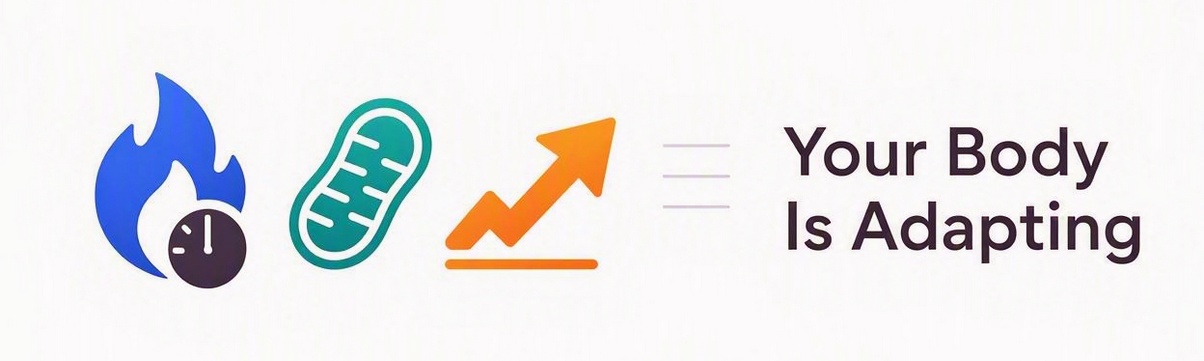
When you cut carbs, your body begins a metabolic shift that happens in stages. First, your glycogen stores begin to drop. Glycogen is your body’s quick‑access fuel, and once it’s depleted, your system has to adjust. Then your insulin levels fall, which signals your body to begin tapping into stored fat. Your cells start increasing fat‑oxidation pathways, and your mitochondria — the tiny engines inside your cells — begin adapting to ketones as their new fuel source.
This shift is often described as a “gear change,” and like any gear change, it can feel rough. Your body isn’t failing. It’s recalibrating. And recalibration can feel like heaviness, slower mornings, foggy thinking, low motivation, and inconsistent energy. These sensations are temporary. They’re the signs of a system learning to run cleaner.
Digestion also changes during this period, which can contribute to the early sense of heaviness or sluggishness. If you’re noticing digestive shifts, Carnivore Digestion: What Actually Changes breaks down what’s normal and what to expect.

What Carnivore Experts Have Seen Again and Again
People who’ve lived carnivore for years consistently report the same pattern: the drain comes first, then the lift. Dr. Ken Berry calls it “the metabolic lag,” the period where your body is adjusting but hasn’t yet reached full fat‑adaptation. Dr. Anthony Chaffee describes it as “the adaptation dip,” a temporary slowdown before your metabolism catches up. Long‑term carnivore veterans simply call it “the shift.”
Across thousands of stories, one truth stands out: The people who push through the drain experience the biggest transformation.
Once your body finishes the shift, your energy becomes more stable than anything you’ve experienced on a carb‑based diet. You stop having afternoon crashes. Your brain feels clearer. Your mood steadies. Your hunger becomes predictable. Your sleep improves. Your workouts feel smoother. Your day stops being controlled by blood sugar swings.
The drain is not a warning. It’s a doorway.
Why You Feel Worn Out — And Why It’s Temporary
If you’re feeling worn out right now, it doesn’t mean carnivore isn’t working. It means it is. Your body is doing the hard work of switching fuel systems. It’s letting go of the quick‑burn energy of glucose and learning to rely on the slow, steady burn of fat. This shift requires hormonal adjustments, digestive simplification, neurological recalibration, and metabolic restructuring.
Hydration needs also change dramatically when carbs disappear, and dehydration can make the early drain feel even heavier. If you want to understand this part of the transition better, Why Your Water Needs Change When You Cut Carbs explains why carnivore alters your fluid balance and how to stay ahead of it.
Your hormones begin stabilizing as insulin drops. Your digestion becomes simpler as plant fibers disappear. Your brain adjusts to ketones, which provide a more stable fuel than glucose. Your mitochondria become more efficient. Your inflammation begins to decrease. Your cravings start to fade. Your energy becomes less dependent on meal timing.
This is the part most people quit — not because carnivore doesn’t work, but because they don’t realize the drain is temporary. If you stay consistent, the drain gives way to the lift. And when the lift comes, it’s unmistakable.
What This Means for Your Journey
The early days of carnivore are not a test of willpower. They’re a test of understanding. If you know what’s happening inside your body, the drain becomes less frightening and more meaningful. Gradually, the perspective shifts to see it as progress rather than a setback. You stop worrying that you’re doing something wrong. You stop comparing your early days to someone else’s long‑term results. You stop doubting the process.
Carnivore is not a diet that gives instant gratification. It’s a diet that gives lasting transformation. The drain is simply the price of admission. And once you’re through it, you’ll understand why so many people say carnivore gave them the best energy of their lives.
Consider This
If you feel drained right now, ask yourself: Is this fatigue… or is this transformation in progress?
Sometimes the tiredness you feel is your body clearing the path for a better version of you. This is a process, slow and steady wins the race!! This process is different for everyone, because each of us is unique. Our bodies are similar but we are individuals, our bodies have been conditioned differently through the years, so it may take longer than some or that transition may be quicker.
Don’t worry, take it one day at a time.
Why Your Water Needs Change When You Cut Carbs
August 10, 2026

Carnivore Hydration: How Much Water You Really Need
Why Carnivore Changes Your Hydration Needs
Hydration is one of the quiet foundations of the carnivore way of eating. People talk endlessly about fat ratios, electrolytes, adaptation symptoms, and digestion, but water — the simplest nutrient of all — often gets reduced to slogans like “drink more” or “stay hydrated.” Carnivore changes that conversation. When you remove carbohydrates, your body’s relationship with water shifts in ways most people don’t expect, and understanding that shift can transform your energy, clarity, and comfort on this way of eating.
How Thirst Signals Become Honest
One of the first things new carnivore eaters notice is how honest their thirst becomes. On a carbohydrate‑heavy diet, thirst signals are drowned out by blood sugar swings, processed foods, and constant snacking. But once you transition to meat‑based eating, your body becomes quieter and clearer. Thirst shows up when you need water. It fades when you’ve had enough. It becomes a trustworthy guide instead of a confusing background noise. Many carnivore veterans describe this as one of the most surprising benefits of the diet — hydration becomes intuitive again.
Carnivore doctors and long‑term practitioners often emphasize this point: the human body is remarkably good at signaling when it needs salt and water, but modern eating patterns have taught people to ignore those signals. When you stop overriding your body with sugary drinks, processed foods, and constant snacking, your natural hydration rhythm returns. You begin to trust thirst again. You begin to trust your body again.

Why Salt Matters More Than Water
Salt is the quiet hero of carnivore hydration. Without carbohydrates, your kidneys excrete sodium more rapidly. This is good — it reduces inflammation and stabilizes blood pressure — but it also means you must be intentional about replenishing it. Many carnivore physicians explain that most people on carnivore don’t need to drink excessive water — they need adequate sodium. Sodium helps your body hold onto the water it needs without overhydrating. It keeps your energy stable, supports nerve function, and prevents the headaches and cramps people often misinterpret as dehydration.
Carnivore hydration becomes even more interesting when you consider how your body’s water needs change. Carbohydrates bind water — roughly three to four grams of water for every gram of glycogen. When you remove carbs, your body releases that stored water. This is why people lose several pounds in the first week of carnivore. It’s not just fat loss. It’s water loss. And once that water is gone, your daily hydration needs naturally decrease.
Many long‑term carnivore eaters describe drinking far less water than they did on carbohydrate‑heavy diets. They aren’t dehydrated — their bodies simply no longer require constant replenishment. This shift can feel strange at first. You may notice periods where you’re less thirsty than expected. You may find that drinking too much water makes you feel bloated or fatigued. You may even experience mild headaches if you drink large amounts of water without salt — a common mistake during adaptation.

Overhydration: The Hidden Carnivore Mistake
Carnivore coaches often point out that over hydration without salt is one of the most common causes of carnivore flu symptoms. Headaches, fatigue, muscle cramps, and that “washed‑out” feeling many beginners experience often come from drinking too much water and not enough sodium. Once people correct their salt intake, these symptoms usually disappear quickly.

How Hydration Becomes Intuitive
Once you settle into the rhythm of carnivore hydration, the experience becomes surprisingly peaceful. You stop forcing water. You stop chasing symptoms. You stop worrying about hitting arbitrary hydration numbers. Instead, you begin to trust your body again. You drink when thirsty. You salt your food generously. You use bone broth when you need a gentle boost. You supplement magnesium if your sleep or muscle tension suggests you’re running low. Hydration becomes a conversation between you and your body rather than a checklist.
This trust is one of the most empowering parts of carnivore. When you stop micromanaging hydration and start responding to your body’s cues, you feel more grounded, more stable, and more confident. Your energy becomes smoother. Your digestion becomes calmer. Your sleep becomes deeper. And your day‑to‑day comfort improves in ways that are hard to describe until you experience them.
Carnivore hydration isn’t about drinking more. It’s about drinking smarter. It’s about respecting the way your body handles water without carbohydrates. It’s about supporting your physiology with salt instead of fighting it with overhydration. And it’s about embracing the simplicity that carnivore brings to every part of your life — including the water you drink.
Consider This
If hydration is one of the simplest parts of carnivore, why do we make it so complicated. What would your days feel like if you stopped forcing water and started listening to your body’s natural cues. Carnivore hydration isn’t a chore. It’s a return to instinct. And when you embrace that instinct, your body responds with clarity, balance, and strength.
Carnivore and Digestion: What Actually Changes
Carnivore and Digestion: What Actually Changes
When most people switch to the carnivore diet, they expect changes in energy, cravings, or mental clarity. What they don’t expect — and often aren’t prepared for — is how dramatically digestion shifts. The truth is simple: when you remove fiber, fillers, and plant compounds, your digestive system begins operating in a completely different way. And for many, it’s the first time their gut has been able to work without interference.
Carnivore digestion isn’t a mystery. It’s a physiological reset — one that reveals how your gut was designed to function when inflammation drops, motility stabilizes, and nutrient absorption improves. But to understand what’s happening, you have to look at the gut the way a mechanic looks at an engine: not as a collection of symptoms, but as a system responding to a new fuel source.
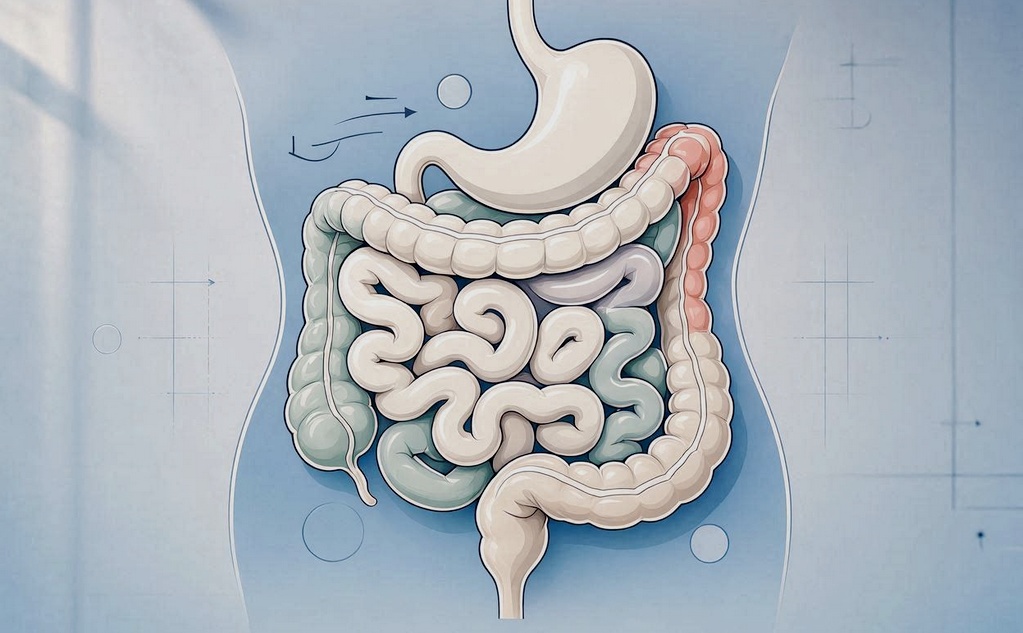
Your Gut Has Been Working Overtime
Most people don’t realize how much work their digestive system does on a standard diet. Fiber, grains, seed oils, and plant compounds require complex processing. They ferment, they irritate, they inflame, and they demand constant motility. When you remove them, the gut doesn’t “slow down” — it simply stops fighting.
Dr. Ken Berry has spoken about this repeatedly. In one of his Q&A livestreams, he said:
“When you stop eating fiber, your gut doesn’t get lazy — it gets efficient. You’re not constipated. You’re just not producing trash anymore.”
Dr. Ken Berry debunking dietary fiber Source: (youtube.com)
That single idea reframes the entire carnivore digestion experience. You’re not broken. You’re not backed up. You’re not malfunctioning. You’re adapting.

Why You Poop Less — And Why It’s Normal
One of the first surprises carnivore beginners experience is reduced stool volume. It can feel alarming at first, especially if you’ve spent years believing that “more fiber equals better digestion.” But carnivore flips that equation.
Meat digests almost completely. There’s very little residue. Your body absorbs more nutrients and leaves less waste. The result? Smaller stools, less frequent bowel movements, and a calmer digestive rhythm.
Steak & Butter Gal (Bella) has addressed this many times in her community coaching calls:
“When people tell me they’re worried because they’re pooping less, I tell them: that’s the point. You’re absorbing your food now. You’re not pushing out fillers.”
Dr. Ken Berry has a video entitled “What Carnivore Did To My Poop”. Watch It Here!
This isn’t constipation. Constipation is painful, bloated, strained, and uncomfortable. Carnivore adaptation is none of those things. It’s simply efficient.
The Gut Bacteria Shift No One Talks About
Fiber‑fermenting bacteria thrive on plant foods. When you remove those foods, those bacteria naturally decline — and protein‑ and fat‑digesting species take over. This isn’t “killing your microbiome.” It’s reshaping it.
The carnivore community often describes this shift as a “calming” of the gut. Less fermentation means less gas. Less irritation means less bloating. Less residue means less stool volume. It’s not a reduction in gut health — it’s a reduction in gut chaos.
Dr. Anthony Chaffee explains it this way:
“Your gut bacteria change because you’re no longer feeding the ones that thrive on fiber. That’s not bad. That’s normal. You’re feeding the bacteria that digest the food you’re actually eating.” Read His Article Here This shift is one of the biggest reasons digestion feels smoother on carnivore. Your gut isn’t fighting anymore. It’s cooperating.
Inflammation Drops — And Motility Stabilizes
Plant foods contain compounds that irritate the gut lining: lectins, oxalates, phytates, and more. Even “healthy” foods like spinach, almonds, and whole grains can trigger inflammation in sensitive individuals. When inflammation drops, motility becomes more predictable.
This is why many people report:
- Less urgency
- Less cramping
- Less bloating
- Less gas
- Less discomfort after meals
Your gut isn’t being pushed, pulled, and inflamed by foods it was never designed to process in large quantities.
Carnivore doesn’t slow digestion. It normalizes it.

Electrolytes: The Hidden Key to Smooth Digestion
Electrolytes play a direct role in gut motility. Sodium, potassium, and magnesium help the muscles of the digestive tract contract smoothly. When electrolytes fall behind — especially during the first few weeks — digestion can feel sluggish.
This is why carnivore veterans emphasize salt so heavily. It’s not just about hydration. It’s about digestion.
Dr. Berry often says:
You need Salt in your diet. Source: (YouTube)
When electrolytes are balanced, digestion becomes effortless.
What Digestion Feels Like After Adaptation
Once your gut adjusts, carnivore digestion becomes surprisingly simple. Meals feel satisfying without heaviness. Bloating becomes rare. Gas becomes minimal. Bathroom trips become predictable. And for many, digestive discomfort becomes a thing of the past.
People often describe the experience as “quiet digestion.” No rumbling. No churning. No bloated pressure. Just calm.
Carnivore doesn’t just change digestion — it reveals what digestion feels like when the gut isn’t inflamed, irritated, or overloaded.

Your Gut Isn’t Broken — It’s Healing
The biggest misunderstanding about carnivore digestion is the belief that changes equal problems. In reality, the changes are signs of healing.
Your gut is doing less work because it doesn’t need to do more. Your stool volume is smaller because your food is more nutrient‑dense. Your motility is calmer because inflammation has dropped. Your bacteria have shifted because your diet has shifted. Your digestion feels different because your gut is finally operating the way it was designed to.
Carnivore digestion isn’t a warning sign. It’s a reset.
Consider This
Your digestive system has been talking to you for years — through bloating, gas, discomfort, urgency, and inflammation. Carnivore doesn’t silence those signals. It resolves them.
When you remove the foods that irritate your gut and replace them with the foods your body is built to digest, your gut doesn’t struggle. It thrives.
Carnivore digestion isn’t strange. It isn’t dangerous. It isn’t a problem to fix.
It’s a glimpse into how your gut works when it’s finally given the chance to heal.
Carnivore and Exercise: How to Fuel Your Workouts Without Carbs
⭐ Carnivore & Exercise: How to Fuel Your Workouts Without Carbs
Your body was built to run on fat. Not just during quiet mornings or long walks, but during the moments when your heart is pounding, your muscles are firing, and your mind is locked into the rhythm of a workout. For decades, the fitness world has insisted that carbs are the only way to fuel performance — that you need pre‑workout powders, energy gels, sports drinks, and a constant stream of glucose to keep going. But when you shift to carnivore, something surprising happens: your body begins to reveal what it can do without any of that.
Carnivore athletes often describe a steady, grounded power that replaces the jittery highs and crashing lows of carb‑based training. Instead of chasing energy, they feel like they’re carrying it. Instead of timing meals around workouts, they discover that their body performs consistently whether they ate two hours ago or twelve. This is the metabolic shift that makes carnivore exercise not just possible, but deeply effective.
The first thing that changes is fuel stability. When you’re running on fat, your body isn’t waiting for the next carb hit. It taps into a massive reservoir of stored energy that most people never fully access. Workouts begin to feel smoother, more controlled, and less dependent on external boosts. You stop thinking about “running out of gas,” because your body isn’t burning through a tiny tank — it’s drawing from a deep well.
This shift doesn’t happen overnight. It’s part of the natural adaptation process your body goes through when transitioning from glucose to fat‑based energy. If you’ve already read the Carnivore Adaptation Timeline, you know that Week 2 and Week 3 are where this stability begins to lock in. That’s the moment workouts start feeling less like a fight and more like a rhythm your body was designed for.
As your metabolism settles into fat‑adaptation, something else begins to change: recovery. Carnivore naturally lowers inflammation, and you feel it after your workouts. Soreness fades faster. Muscles feel ready sooner. Many carnivore athletes report that they can train more frequently without feeling beat down, simply because their body isn’t fighting the constant inflammatory load that comes from processed foods, seed oils, and carb‑heavy eating.

Recovery isn’t just about inflammation — it’s also about electrolytes. When you train without carbs, your body uses sodium differently, and your performance depends on keeping those levels steady. This is where the Electrolytes on Carnivore article becomes essential. The same sodium that supports your daily energy also supports your training output, muscle contractions, and post‑workout recovery. When electrolytes are dialed in, workouts feel smoother, and fatigue becomes far less disruptive.
But the biggest shift is mental. Carnivore sharpens focus, and that clarity shows up in your training. You’re not distracted by hunger swings or energy dips. You’re not dragging yourself through the warm‑up. You’re present. You’re steady. You’re ready. This mental clarity becomes one of the most powerful performance tools you have, because it makes every workout feel intentional instead of forced.
People often assume that high‑intensity training requires carbs, but your body is far more adaptable than most nutrition advice suggests. When you eat meat, your body uses fat for long‑duration energy and glycogen for short bursts — and it replenishes that glycogen naturally through gluconeogenesis. This is why sprinters, lifters, and high‑intensity athletes can thrive on carnivore without ever touching carbs. Your body isn’t deprived. It’s efficient.
Fueling workouts on carnivore is simple: eat meat, eat enough, and trust your body. You don’t need pre‑workout supplements. You don’t need carb‑loading. You don’t need to “time” your meals. Your body will use what it needs, when it needs it. The simplicity is part of the power.
Hydration plays a quiet but crucial role in performance. Carnivore athletes often underestimate how much water they need once carbs are removed. Without glycogen holding water in the muscles, hydration becomes more dynamic — and more important. If you’ve read the The Top 10 Essential Tips For Starting Your Carnivore Diet, you already know that water and sodium work together to support strength, endurance, and recovery. When hydration is dialed in, your workouts feel cleaner, your energy feels steadier, and your performance becomes more predictable.
As you settle into carnivore, you’ll notice that your workouts begin to feel more natural. You’re not fighting your body. You’re working with it. Strength feels like it comes from a deeper place. Endurance feels smoother. High‑intensity bursts feel more controlled. And recovery becomes one of your greatest advantages.
Carnivore isn’t just a diet. It’s a performance system built into your biology. When you fuel your workouts with meat, you’re tapping into the way your body was designed to operate — steady, powerful, and clear.
And once you feel that shift, you’ll never look at “fueling your workouts” the same way again.
Carnivore Sleep Problems: Why You’re Not Sleeping — And How to Fix It
Carnivore Sleep Problems: Why They Happen and How to Fix Them
When Meat Clears Your Days but Complicates Your Nights
Carnivore has a way of sharpening your days. Energy steadies. Cravings fade. Digestion calms. Mental clarity rises. But nighttime can tell a different story. Some people fall asleep faster than ever, while others toss and turn. Some wake up at 3 AM with their mind wide awake. Others feel tired but strangely unable to drift off, as if their body and brain are no longer on the same schedule.
These sleep changes aren’t random, and they aren’t a sign that carnivore “isn’t working.” They’re signs that your metabolism is shifting gears and your nervous system is trying to keep up. Once you understand what’s happening inside your body, you can restore deep, consistent sleep with surprising speed.

Why Carnivore Disrupts Sleep — At First
When you remove carbohydrates, your body transitions from running on glucose to running on fat. This shift is powerful, but it’s also demanding. During the early phase, stress hormones like cortisol and adrenaline rise temporarily. Harvard Health notes that cortisol naturally fluctuates throughout the day, but dietary changes can amplify those swings, especially at night. That’s why you may feel “tired but wired,” or wake up earlier than usual.
Electrolytes also play a major role. Without carbs, your body flushes sodium and potassium more quickly. Low electrolytes can trigger restless legs, nighttime heart pounding, dehydration, and difficulty staying asleep. The NIH explains that electrolyte imbalance directly affects nerve signaling and muscle relaxation — two systems essential for sleep. Many carnivore beginners unknowingly run low on sodium, which raises adrenaline and disrupts sleep. Read More About It HERE.

Your circadian rhythm also recalibrates. Stable blood sugar helps regulate your internal clock, but the reset process can temporarily cause vivid dreams, early waking, or mid‑night awakenings. It’s not dysfunction — it’s recalibration.
And then there’s food intake. Carnivore suppresses appetite, which means many people unintentionally undereat. When your body doesn’t receive enough fuel, it wakes you up to get more. Eating too lean has the same effect. Fat is your slow‑burning nighttime energy source. Without enough of it, your body runs out of fuel in the middle of the night.
How to Restore Deep, Consistent Sleep
The good news is that carnivore sleep problems are almost always fixable — and the solutions are simple.
The first step is increasing fat. Fat stabilizes nighttime energy and calms stress hormones. A ribeye at dinner often works better than a lean sirloin. Butter, tallow, and 80/20 beef provide the slow‑release fuel your body needs to stay asleep.
Sodium is the next pillar. Low sodium raises adrenaline, and adrenaline disrupts sleep. A pinch of salt before bed or a warm mug of salted bone broth can make a dramatic difference. Examine.com notes that sodium plays a direct role in fluid balance and nerve function — both essential for sleep.
Magnesium glycinate is another powerful tool. It supports muscle relaxation, deeper sleep, and lower nighttime cortisol. Many people find that 400 mg in the evening helps their body unwind.
Finally, your evening routine matters more on carnivore than you might expect. With stable blood sugar, your brain becomes more sensitive to light cues. Dim lights, reduced screen time, and a cool room help reinforce your circadian rhythm and make falling asleep easier.
What Your Next 30 Days Will Look Like
Most people experience a predictable sleep timeline on carnivore. During the first week, sleep may feel inconsistent. By week two, electrolytes stabilize and nighttime awakenings decrease. Week three brings calmer stress hormones and easier sleep onset. By week four, most people settle into deeper, more restorative sleep — often better than before carnivore.