Electrolytes on Carnivore
Electrolytes on Carnivore: Fixing Fatigue, Cramps, and Low Energy the Right Way
Electrolytes on Carnivore: Fixing Fatigue, Cramps, and Low Energy the Right Way
When people begin the carnivore diet, they expect the mental clarity, the steady energy, the appetite freedom, and the simplicity of eating meat. What they don’t expect is the sudden wave of fatigue, headaches, muscle cramps, or that strange “hollow” feeling behind the eyes. It’s easy to assume something is wrong with the diet — but in reality, something much simpler is happening: your body is shifting from a carb‑dependent system to a fat‑powered one, and electrolytes are the bridge that makes the transition smooth instead of miserable.
Electrolytes aren’t optional on carnivore. They’re foundational. And once you understand how they work, you’ll know exactly how to fix the most common early‑stage problems — and how to keep your energy stable for the long haul.
Why Electrolytes Matter More on Carnivore Than Any Other Diet

On a standard diet, carbohydrates help your body retain water. When you remove carbs, insulin drops — which is good — but it also triggers your kidneys to release water and sodium. That’s why carnivore beginners often lose several pounds of water weight in the first week.
But water doesn’t leave alone.
It takes sodium, potassium, and magnesium with it.
This is why you can be eating ribeyes and still feel tired, lightheaded, crampy, foggy, irritable, or just “off.”
It’s not the diet.
It’s the electrolytes.

The Three Electrolytes Carnivore Beginners Must Prioritize
Sodium: The Foundation Mineral
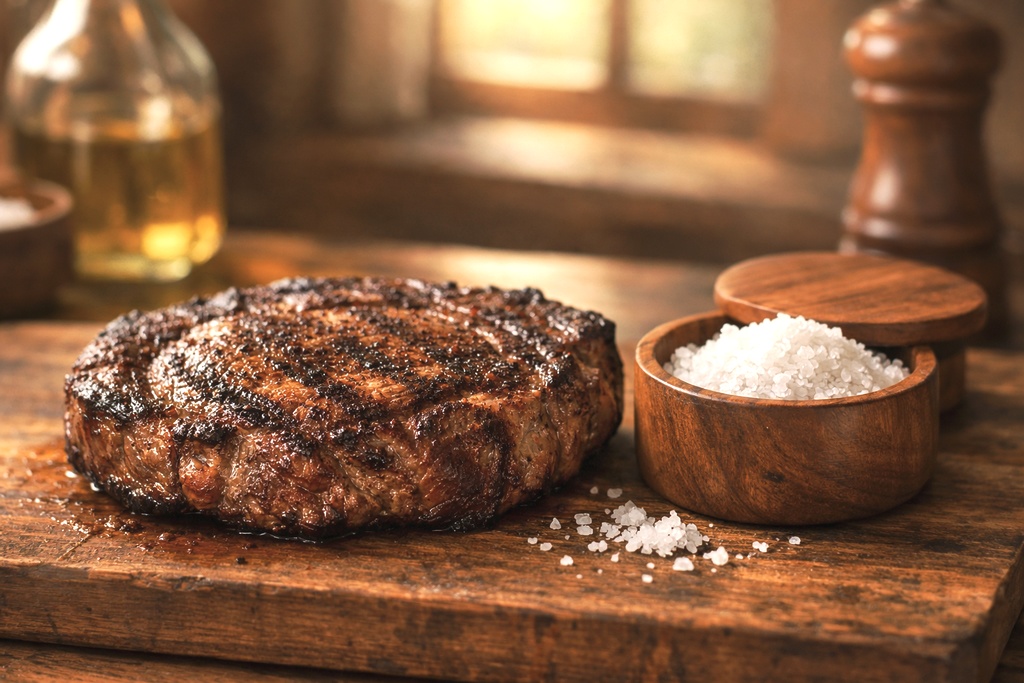
Sodium is the electrolyte most people under‑consume when they switch to carnivore. Without carbs, your kidneys flush sodium rapidly, and low sodium is the number‑one cause of headaches, fatigue, dizziness, low motivation, and brain fog.
Most carnivore beginners thrive at 4–6 grams of sodium per day — roughly 2–3 teaspoons of salt. That may sound like a lot, but it’s simply replacing what your body is losing.
A pinch of salt in your morning water, a warm mug of salted broth, and generously salting your meals is often enough to fix 70% of early carnivore symptoms.

Potassium: The Muscle + Nerve Mineral
Potassium is the quiet workhorse of your electrolyte system. You don’t feel it when it’s balanced — but you absolutely feel it when it’s low. Because carnivore flushes water quickly, potassium can dip just enough to cause problems even if you’re eating well.
Low potassium often shows up as sudden muscle cramps, restless legs at night, heart “flutters,” weakness during workouts, or that “wired but tired” feeling.
Most adults thrive around 3,000–4,700 mg per day, but you don’t need to track it. You simply need to eat enough total food volume.
Carnivore‑friendly potassium sources include ground beef, salmon, pork, and eggs. For example, a pound of ground beef contains roughly 1,200 mg of potassium, while a 6‑ounce serving of salmon provides around 700 mg. If you’re undereating, you’re under‑potassiumed. Eating enough meat is key to maintaining potassium, and your first carnivore grocery list helps beginners choose the right foods to stay energized.
Magnesium: The Calm‑Your‑System Mineral
Magnesium is the mineral that helps your muscles relax, your nerves settle, and your sleep deepen. Low magnesium can cause nighttime cramps, twitching, anxiety, poor sleep, and constipation.
Most people benefit from 200–400 mg of magnesium glycinate in the evening, especially during the first 30 days. Sardines, shellfish, and mineral water also help, but supplementation is often the simplest and most reliable option. For even more mineral support, explore organ meats for carnivore beginners, which offer some of the most nutrient‑dense options available.
Why Carnivore Beginners Feel “Off” — And How to Fix It Fast
Your body is not broken.
You’re not doing carnivore wrong.
You’re simply under‑mineralized.
When electrolytes drop, your body sends distress signals — but once your electrolyte balance is restored, those symptoms often disappear within hours. This simple shift is why so many carnivore beginners feel dramatically better after increasing salt, potassium‑rich foods, and magnesium.
The fix is simple: add 1–2 teaspoons of salt to your day, eat enough total food volume to get potassium, and add magnesium glycinate if you’re cramping or struggling with sleep. This is the difference between “carnivore is hard” and “carnivore feels incredible.”
Signs Your Electrolytes Are Finally Balanced
You’ll know you’ve hit the sweet spot when you feel steady, calm energy, clear thinking, strong appetite control, fewer cravings, better sleep, and no cramps or dizziness. This is the moment most people say, “Oh — THIS is what carnivore is supposed to feel like.”
What About Electrolyte Powders?
Electrolyte powders can be helpful, but many contain sweeteners, citric acid, flavorings, or fillers. If you use one, choose a clean, unsweetened option. But remember salt + meat + water is enough for most people.
Common Mistakes to Avoid
Most electrolyte issues come from simple, fixable habits. Here’s what they look like in real life.
You salt your steak lightly, thinking it’s “enough,” but your kidneys are flushing sodium faster than you’re replacing it. Result: headaches and fatigue.
You drink too much plain water trying to “stay hydrated,” but plain water dilutes electrolytes. Result: dizziness and brain fog.
You undereat — maybe you jumped into one meal a day too early — and your potassium intake drops. Result: low energy and muscle weakness. If cost is causing you to undereat, the carnivore on a budget guide shows how to eat enough without overspending.
You ignore early symptoms, assuming cramps or fatigue mean carnivore “isn’t working,” when it’s actually your body asking for minerals.
A simple troubleshooting checklist usually fixes everything: add half a teaspoon of salt immediately, eat a full meal, drink a glass of water with a pinch of salt, and take magnesium glycinate before bed. Most symptoms resolve within hours.
How to Build Your Personal Electrolyte Routine
Here’s a simple, plug‑and‑play routine that works for 90% of carnivore beginners.
Morning:
A glass of water with a pinch of salt, optional salted coffee, and a breakfast of eggs and beef with generous salting.
Midday:
A glass of water, a potassium‑rich lunch like beef or salmon, and salt added until the food tastes satisfying.
Afternoon:
If energy dips, sip salted broth. If you sweat, add an extra pinch of salt.
Evening:
Dinner of your choice, 200–400 mg magnesium glycinate, and optional warm salted broth before bed.
For active people:
Add half a teaspoon of extra salt on training days, drink salted water before workouts and prioritize potassium‑rich foods like ground beef and salmon.
For hot weather:
Increase salt by half to one teaspoon and add one extra glass of salted water.
This routine keeps your energy stable and prevents the “carnivore crash.”
Electrolytes for Athletes: Training Without Carbs
Athletes often worry that removing carbs will tank their performance — but electrolytes are the real key to maintaining strength, endurance, and recovery.
Sweat loss increases sodium needs, training increases magnesium usage, and muscle contractions depend on potassium balance. A simple athlete protocol includes salted water before workouts, salted water during heavy sweating, a potassium‑rich meal afterward, and magnesium glycinate in the evening for recovery.
This keeps performance stable while your body adapts to fat‑based fuel.
Your Carnivore Journey: You’re Not Doing This Alone
Electrolytes are one of the simplest fixes in the carnivore world, but they make one of the biggest differences. Once you dial them in, everything else becomes easier — energy, mood, workouts, sleep, cravings, and consistency.
You’re building a lifestyle, not just a diet. Please remember this is NOT a diet, it’s a Way Of Eating.
And this is one of the most important steps in making it sustainable.

Carnivore and Mental Clarity: Why Your Brain Thrives on Meat
Carnivore and Mental Clarity: Why Your Brain Thrives on Meat
Most people assume mental clarity comes from cutting carbs, meditating more, or drinking another energy drink. But for thousands of people trying the carnivore diet, something far more dramatic happens — a sudden shift in the way the brain feels and functions. Thoughts sharpen. Fog lifts. Focus returns. And it happens with a speed that surprises even the most skeptical beginners. This isn’t a placebo effect or a motivational surge from starting a new diet. It’s a real, measurable change in how the brain operates when it finally receives the fuel it was designed to run on.
Mental clarity is often described as a feeling, but in reality, it’s a combination of cognitive abilities working together. It’s the ease of recalling information without searching for it. It’s the ability to stay focused on a task without drifting. It’s the sense of emotional steadiness that makes decision‑making feel less overwhelming. Many people don’t realize how foggy they’ve been until the fog disappears — and suddenly life feels lighter, calmer, and more manageable. The carnivore diet has a unique way of revealing just how much the modern diet has been clouding the mind.
Why the Carnivore Diet Impacts the Brain So Quickly
One of the most immediate changes people experience on carnivore comes from fuel stability. Carbohydrates create a constant cycle of spikes and crashes, forcing the brain to adapt to inconsistent energy. Meat doesn’t do that. When glucose stops swinging, the brain stops panicking. The result is a steady, predictable stream of energy that supports clear thinking. For readers who prefer a more flexible approach, What Is Ketovore? offers a gentle bridge between keto and carnivore while still supporting this stable fuel environment.
Another reason clarity improves so quickly is the shift toward ketones. Ketones burn cleaner than glucose and produce fewer inflammatory byproducts. They provide a more efficient, more reliable energy source for neurons. Many people describe this transition as “my brain finally turned back on,” a moment when mental fog lifts and thoughts feel crisp again. It’s not magic — it’s simply the brain receiving a fuel source it can use without friction.
Inflammation also plays a major role in mental fog. Plant toxins, seed oils, sugar, and ultra‑processed foods all contribute to neuroinflammation, even in people who don’t feel physically inflamed. When these foods are removed, the brain finally has room to breathe.
There’s also a profound shift in neurotransmitters. Meat provides the amino acids needed to support dopamine, serotonin, and GABA — the chemicals responsible for motivation, mood, and calm focus. When these neurotransmitters rebalance, many carnivore beginners say they feel “even” for the first time in years. Their brain chemistry stabilizes, and with it comes a sense of emotional clarity that’s just as powerful as the cognitive clarity.
What Mental Clarity Feels Like on Carnivore
People describe the mental clarity of carnivore in ways that are surprisingly consistent. Some say, “My brain turned back on,” as if a switch flipped. Others notice they can finish tasks again without drifting or feeling overwhelmed. Many don’t realize how foggy they were until the fog disappears, revealing a version of themselves they haven’t felt in years. This is the psychological side of metabolic healing — the moment when the brain stops fighting for stability and begins functioning the way it was meant to.
Understanding the Roots of Brain Fog
Brain fog rarely comes from a single cause. It’s usually the result of several stressors working together: unstable blood sugar, chronic inflammation, food sensitivities, poor sleep, nutrient deficiencies, seed oils, and ultra‑processed foods. The modern diet is full of these triggers, and most people live in a constant state of low‑grade cognitive stress without realizing it. Carnivore removes nearly all of these stressors at once, which is why clarity often returns so quickly. When the brain is no longer inflamed, under‑fueled, or chemically imbalanced, it can finally function the way it was designed to.

How Long It Takes to Notice a Difference
The timeline for mental clarity varies, but most people notice a shift within the first few days. The first 24 to 72 hours often bring a reduction in fog as blood sugar stabilizes. Within one to two weeks, focus improves and thoughts feel more organized. By three to six weeks, mental energy becomes stable and predictable. The transition is even smoother when electrolytes are dialed in, which is why many readers benefit from exploring Electrolytes on Carnivore for guidance.
Supporting Mental Clarity Through the Carnivore Lifestyle
Maximizing mental clarity on carnivore isn’t complicated. The brain thrives on fat, so prioritizing fatty cuts makes a noticeable difference. Consistent electrolytes support stable energy and prevent the sluggishness that can appear during adaptation. Eating enough food is essential — under‑eating is one of the fastest ways to lose clarity. Some people find that avoiding dairy early on helps reduce inflammation, and staying hydrated supports every part of the process. For readers who are new to this way of eating, Carnivore for Beginners offers a simple, supportive starting point.
The Real‑World Impact of Mental Clarity
The benefits of mental clarity extend far beyond the diet itself. Carnivore beginners often report better productivity at work, more patience with family, easier decision‑making, and a sense of emotional stability they haven’t felt in years. These aren’t small changes — they shape how people show up in their daily lives. For those who want consistent, high‑quality, Carnivore Club offers convenient grab‑and‑go options that support the lifestyle without stress.
Consider This
If your brain feels foggy, scattered, or exhausted, it’s not a character flaw — it’s chemistry. Your brain is an organ, and like every organ, it depends on the fuel you give it. For many people, that fuel is meat. When you remove the foods that inflame the brain and replace them with foods that nourish it, clarity isn’t a miracle. It’s the natural state your mind was designed for.