carnivore troubleshooting
Carnivore and Digestion: What Actually Changes
Carnivore and Digestion: What Actually Changes
When most people switch to the carnivore diet, they expect changes in energy, cravings, or mental clarity. What they don’t expect — and often aren’t prepared for — is how dramatically digestion shifts. The truth is simple: when you remove fiber, fillers, and plant compounds, your digestive system begins operating in a completely different way. And for many, it’s the first time their gut has been able to work without interference.
Carnivore digestion isn’t a mystery. It’s a physiological reset — one that reveals how your gut was designed to function when inflammation drops, motility stabilizes, and nutrient absorption improves. But to understand what’s happening, you have to look at the gut the way a mechanic looks at an engine: not as a collection of symptoms, but as a system responding to a new fuel source.
Your Gut Has Been Working Overtime
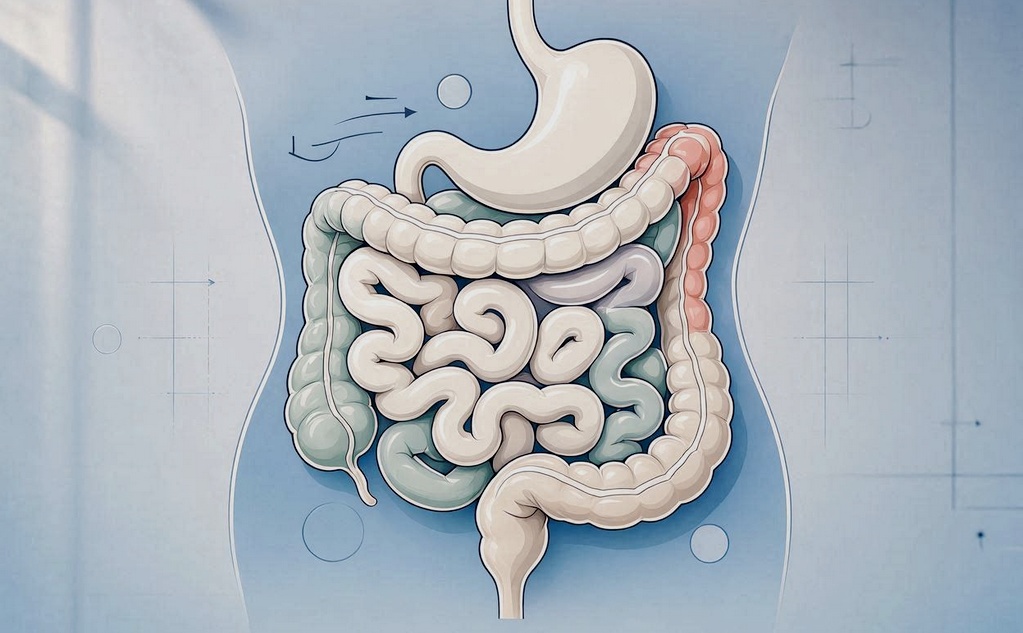
Most people don’t realize how much work their digestive system does on a standard diet. Fiber, grains, seed oils, and plant compounds require complex processing. They ferment, they irritate, they inflame, and they demand constant motility. When you remove them, the gut doesn’t “slow down” — it simply stops fighting.
Dr. Ken Berry has spoken about this repeatedly. In one of his Q&A livestreams, he said:
“When you stop eating fiber, your gut doesn’t get lazy — it gets efficient. You’re not constipated. You’re just not producing trash anymore.”
Dr. Ken Berry debunking dietary fiber Source: (youtube.com)
That single idea reframes the entire carnivore digestion experience. You’re not broken. You’re not backed up. You’re not malfunctioning. You’re adapting.

Why You Poop Less — And Why It’s Normal
One of the first surprises carnivore beginners experience is reduced stool volume. It can feel alarming at first, especially if you’ve spent years believing that “more fiber equals better digestion.” But carnivore flips that equation.
Meat digests almost completely. There’s very little residue. Your body absorbs more nutrients and leaves less waste. The result? Smaller stools, less frequent bowel movements, and a calmer digestive rhythm.
Steak & Butter Gal (Bella) has addressed this many times in her community coaching calls:
“When people tell me they’re worried because they’re pooping less, I tell them: that’s the point. You’re absorbing your food now. You’re not pushing out fillers.”
Dr. Ken Berry has a video entitled “What Carnivore Did To My Poop”. Watch It Here!
This isn’t constipation. Constipation is painful, bloated, strained, and uncomfortable. Carnivore adaptation is none of those things. It’s simply efficient.

The Gut Bacteria Shift No One Talks About
Fiber‑fermenting bacteria thrive on plant foods. When you remove those foods, those bacteria naturally decline — and protein‑ and fat‑digesting species take over. This isn’t “killing your microbiome.” It’s reshaping it.
The carnivore community often describes this shift as a “calming” of the gut. Less fermentation means less gas. Less irritation means less bloating. Less residue means less stool volume. It’s not a reduction in gut health — it’s a reduction in gut chaos.
Dr. Anthony Chaffee explains it this way:
“Your gut bacteria change because you’re no longer feeding the ones that thrive on fiber. That’s not bad. That’s normal. You’re feeding the bacteria that digest the food you’re actually eating.” Read His Article Here This shift is one of the biggest reasons digestion feels smoother on carnivore. Your gut isn’t fighting anymore. It’s cooperating.
Inflammation Drops — And Motility Stabilizes
Plant foods contain compounds that irritate the gut lining: lectins, oxalates, phytates, and more. Even “healthy” foods like spinach, almonds, and whole grains can trigger inflammation in sensitive individuals. When inflammation drops, motility becomes more predictable.
This is why many people report:
- Less urgency
- Less cramping
- Less bloating
- Less gas
- Less discomfort after meals
Your gut isn’t being pushed, pulled, and inflamed by foods it was never designed to process in large quantities.
Carnivore doesn’t slow digestion. It normalizes it.

Electrolytes: The Hidden Key to Smooth Digestion
Electrolytes play a direct role in gut motility. Sodium, potassium, and magnesium help the muscles of the digestive tract contract smoothly. When electrolytes fall behind — especially during the first few weeks — digestion can feel sluggish.
This is why carnivore veterans emphasize salt so heavily. It’s not just about hydration. It’s about digestion.
Dr. Berry often says:
You need Salt in your diet. Source: (YouTube)
When electrolytes are balanced, digestion becomes effortless.
What Digestion Feels Like After Adaptation
Once your gut adjusts, carnivore digestion becomes surprisingly simple. Meals feel satisfying without heaviness. Bloating becomes rare. Gas becomes minimal. Bathroom trips become predictable. And for many, digestive discomfort becomes a thing of the past.
People often describe the experience as “quiet digestion.” No rumbling. No churning. No bloated pressure. Just calm.
Carnivore doesn’t just change digestion — it reveals what digestion feels like when the gut isn’t inflamed, irritated, or overloaded.

Your Gut Isn’t Broken — It’s Healing
The biggest misunderstanding about carnivore digestion is the belief that changes equal problems. In reality, the changes are signs of healing.
Your gut is doing less work because it doesn’t need to do more. Your stool volume is smaller because your food is more nutrient‑dense. Your motility is calmer because inflammation has dropped. Your bacteria have shifted because your diet has shifted. Your digestion feels different because your gut is finally operating the way it was designed to.
Carnivore digestion isn’t a warning sign. It’s a reset.
Consider This
Your digestive system has been talking to you for years — through bloating, gas, discomfort, urgency, and inflammation. Carnivore doesn’t silence those signals. It resolves them.
When you remove the foods that irritate your gut and replace them with the foods your body is built to digest, your gut doesn’t struggle. It thrives.
Carnivore digestion isn’t strange. It isn’t dangerous. It isn’t a problem to fix.
It’s a glimpse into how your gut works when it’s finally given the chance to heal.
Carnivore Sleep Problems: Why You’re Not Sleeping — And How to Fix It
Carnivore Sleep Problems: Why They Happen and How to Fix Them
When Meat Clears Your Days but Complicates Your Nights
Carnivore has a way of sharpening your days. Energy steadies. Cravings fade. Digestion calms. Mental clarity rises. But nighttime can tell a different story. Some people fall asleep faster than ever, while others toss and turn. Some wake up at 3 AM with their mind wide awake. Others feel tired but strangely unable to drift off, as if their body and brain are no longer on the same schedule.
These sleep changes aren’t random, and they aren’t a sign that carnivore “isn’t working.” They’re signs that your metabolism is shifting gears and your nervous system is trying to keep up. Once you understand what’s happening inside your body, you can restore deep, consistent sleep with surprising speed.


Why Carnivore Disrupts Sleep — At First
When you remove carbohydrates, your body transitions from running on glucose to running on fat. This shift is powerful, but it’s also demanding. During the early phase, stress hormones like cortisol and adrenaline rise temporarily. Harvard Health notes that cortisol naturally fluctuates throughout the day, but dietary changes can amplify those swings, especially at night. That’s why you may feel “tired but wired,” or wake up earlier than usual.
Electrolytes also play a major role. Without carbs, your body flushes sodium and potassium more quickly. Low electrolytes can trigger restless legs, nighttime heart pounding, dehydration, and difficulty staying asleep. The NIH explains that electrolyte imbalance directly affects nerve signaling and muscle relaxation — two systems essential for sleep. Many carnivore beginners unknowingly run low on sodium, which raises adrenaline and disrupts sleep. Read More About It HERE.

Your circadian rhythm also recalibrates. Stable blood sugar helps regulate your internal clock, but the reset process can temporarily cause vivid dreams, early waking, or mid‑night awakenings. It’s not dysfunction — it’s recalibration.
And then there’s food intake. Carnivore suppresses appetite, which means many people unintentionally undereat. When your body doesn’t receive enough fuel, it wakes you up to get more. Eating too lean has the same effect. Fat is your slow‑burning nighttime energy source. Without enough of it, your body runs out of fuel in the middle of the night.
How to Restore Deep, Consistent Sleep
The good news is that carnivore sleep problems are almost always fixable — and the solutions are simple.
The first step is increasing fat. Fat stabilizes nighttime energy and calms stress hormones. A ribeye at dinner often works better than a lean sirloin. Butter, tallow, and 80/20 beef provide the slow‑release fuel your body needs to stay asleep.
Sodium is the next pillar. Low sodium raises adrenaline, and adrenaline disrupts sleep. A pinch of salt before bed or a warm mug of salted bone broth can make a dramatic difference. Examine.com notes that sodium plays a direct role in fluid balance and nerve function — both essential for sleep.
Magnesium glycinate is another powerful tool. It supports muscle relaxation, deeper sleep, and lower nighttime cortisol. Many people find that 400 mg in the evening helps their body unwind.
Finally, your evening routine matters more on carnivore than you might expect. With stable blood sugar, your brain becomes more sensitive to light cues. Dim lights, reduced screen time, and a cool room help reinforce your circadian rhythm and make falling asleep easier.
What Your Next 30 Days Will Look Like
Most people experience a predictable sleep timeline on carnivore. During the first week, sleep may feel inconsistent. By week two, electrolytes stabilize and nighttime awakenings decrease. Week three brings calmer stress hormones and easier sleep onset. By week four, most people settle into deeper, more restorative sleep — often better than before carnivore.