Carnivore Tips
Carnivore and Digestion: What Actually Changes
Carnivore and Digestion: What Actually Changes
When most people switch to the carnivore diet, they expect changes in energy, cravings, or mental clarity. What they don’t expect — and often aren’t prepared for — is how dramatically digestion shifts. The truth is simple: when you remove fiber, fillers, and plant compounds, your digestive system begins operating in a completely different way. And for many, it’s the first time their gut has been able to work without interference.
Carnivore digestion isn’t a mystery. It’s a physiological reset — one that reveals how your gut was designed to function when inflammation drops, motility stabilizes, and nutrient absorption improves. But to understand what’s happening, you have to look at the gut the way a mechanic looks at an engine: not as a collection of symptoms, but as a system responding to a new fuel source.
Your Gut Has Been Working Overtime
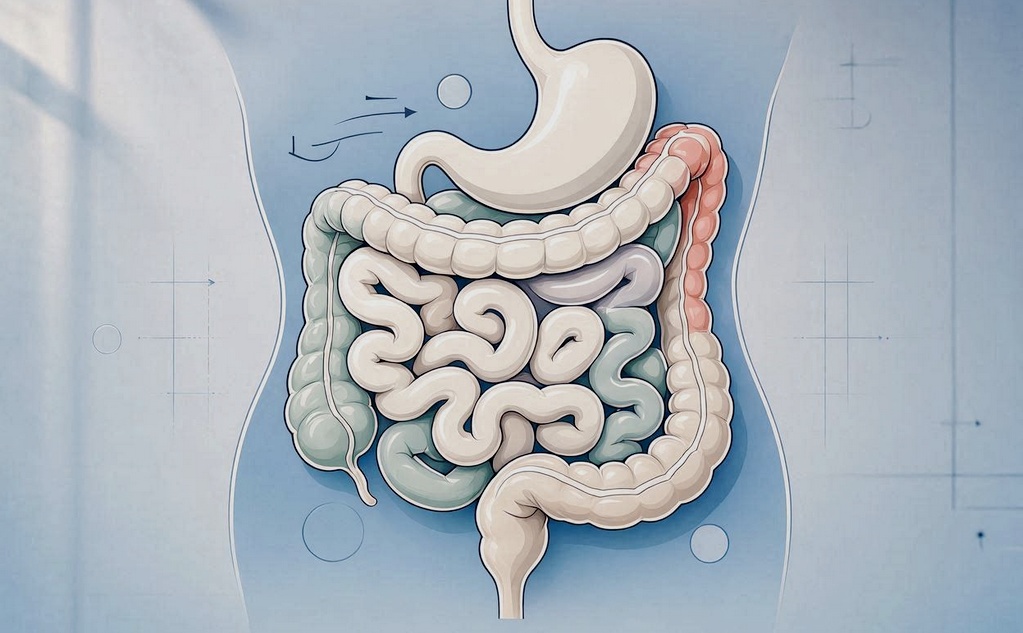
Most people don’t realize how much work their digestive system does on a standard diet. Fiber, grains, seed oils, and plant compounds require complex processing. They ferment, they irritate, they inflame, and they demand constant motility. When you remove them, the gut doesn’t “slow down” — it simply stops fighting.
Dr. Ken Berry has spoken about this repeatedly. In one of his Q&A livestreams, he said:
“When you stop eating fiber, your gut doesn’t get lazy — it gets efficient. You’re not constipated. You’re just not producing trash anymore.”
Dr. Ken Berry debunking dietary fiber Source: (youtube.com)
That single idea reframes the entire carnivore digestion experience. You’re not broken. You’re not backed up. You’re not malfunctioning. You’re adapting.

Why You Poop Less — And Why It’s Normal
One of the first surprises carnivore beginners experience is reduced stool volume. It can feel alarming at first, especially if you’ve spent years believing that “more fiber equals better digestion.” But carnivore flips that equation.
Meat digests almost completely. There’s very little residue. Your body absorbs more nutrients and leaves less waste. The result? Smaller stools, less frequent bowel movements, and a calmer digestive rhythm.
Steak & Butter Gal (Bella) has addressed this many times in her community coaching calls:
“When people tell me they’re worried because they’re pooping less, I tell them: that’s the point. You’re absorbing your food now. You’re not pushing out fillers.”
Dr. Ken Berry has a video entitled “What Carnivore Did To My Poop”. Watch It Here!
This isn’t constipation. Constipation is painful, bloated, strained, and uncomfortable. Carnivore adaptation is none of those things. It’s simply efficient.
The Gut Bacteria Shift No One Talks About
Fiber‑fermenting bacteria thrive on plant foods. When you remove those foods, those bacteria naturally decline — and protein‑ and fat‑digesting species take over. This isn’t “killing your microbiome.” It’s reshaping it.
The carnivore community often describes this shift as a “calming” of the gut. Less fermentation means less gas. Less irritation means less bloating. Less residue means less stool volume. It’s not a reduction in gut health — it’s a reduction in gut chaos.
Dr. Anthony Chaffee explains it this way:
“Your gut bacteria change because you’re no longer feeding the ones that thrive on fiber. That’s not bad. That’s normal. You’re feeding the bacteria that digest the food you’re actually eating.” Read His Article Here This shift is one of the biggest reasons digestion feels smoother on carnivore. Your gut isn’t fighting anymore. It’s cooperating.
Inflammation Drops — And Motility Stabilizes
Plant foods contain compounds that irritate the gut lining: lectins, oxalates, phytates, and more. Even “healthy” foods like spinach, almonds, and whole grains can trigger inflammation in sensitive individuals. When inflammation drops, motility becomes more predictable.
This is why many people report:
- Less urgency
- Less cramping
- Less bloating
- Less gas
- Less discomfort after meals
Your gut isn’t being pushed, pulled, and inflamed by foods it was never designed to process in large quantities.
Carnivore doesn’t slow digestion. It normalizes it.

Electrolytes: The Hidden Key to Smooth Digestion
Electrolytes play a direct role in gut motility. Sodium, potassium, and magnesium help the muscles of the digestive tract contract smoothly. When electrolytes fall behind — especially during the first few weeks — digestion can feel sluggish.
This is why carnivore veterans emphasize salt so heavily. It’s not just about hydration. It’s about digestion.
Dr. Berry often says:
You need Salt in your diet. Source: (YouTube)
When electrolytes are balanced, digestion becomes effortless.
What Digestion Feels Like After Adaptation
Once your gut adjusts, carnivore digestion becomes surprisingly simple. Meals feel satisfying without heaviness. Bloating becomes rare. Gas becomes minimal. Bathroom trips become predictable. And for many, digestive discomfort becomes a thing of the past.
People often describe the experience as “quiet digestion.” No rumbling. No churning. No bloated pressure. Just calm.
Carnivore doesn’t just change digestion — it reveals what digestion feels like when the gut isn’t inflamed, irritated, or overloaded.

Your Gut Isn’t Broken — It’s Healing
The biggest misunderstanding about carnivore digestion is the belief that changes equal problems. In reality, the changes are signs of healing.
Your gut is doing less work because it doesn’t need to do more. Your stool volume is smaller because your food is more nutrient‑dense. Your motility is calmer because inflammation has dropped. Your bacteria have shifted because your diet has shifted. Your digestion feels different because your gut is finally operating the way it was designed to.
Carnivore digestion isn’t a warning sign. It’s a reset.
Consider This
Your digestive system has been talking to you for years — through bloating, gas, discomfort, urgency, and inflammation. Carnivore doesn’t silence those signals. It resolves them.
When you remove the foods that irritate your gut and replace them with the foods your body is built to digest, your gut doesn’t struggle. It thrives.
Carnivore digestion isn’t strange. It isn’t dangerous. It isn’t a problem to fix.
It’s a glimpse into how your gut works when it’s finally given the chance to heal.
Carnivore and Mental Clarity: Why Your Brain Thrives on Meat
Carnivore and Mental Clarity: Why Your Brain Thrives on Meat
Most people assume mental clarity comes from cutting carbs, meditating more, or drinking another energy drink. But for thousands of people trying the carnivore diet, something far more dramatic happens — a sudden shift in the way the brain feels and functions. Thoughts sharpen. Fog lifts. Focus returns. And it happens with a speed that surprises even the most skeptical beginners. This isn’t a placebo effect or a motivational surge from starting a new diet. It’s a real, measurable change in how the brain operates when it finally receives the fuel it was designed to run on.
Mental clarity is often described as a feeling, but in reality, it’s a combination of cognitive abilities working together. It’s the ease of recalling information without searching for it. It’s the ability to stay focused on a task without drifting. It’s the sense of emotional steadiness that makes decision‑making feel less overwhelming. Many people don’t realize how foggy they’ve been until the fog disappears — and suddenly life feels lighter, calmer, and more manageable. The carnivore diet has a unique way of revealing just how much the modern diet has been clouding the mind.
Why the Carnivore Diet Impacts the Brain So Quickly
One of the most immediate changes people experience on carnivore comes from fuel stability. Carbohydrates create a constant cycle of spikes and crashes, forcing the brain to adapt to inconsistent energy. Meat doesn’t do that. When glucose stops swinging, the brain stops panicking. The result is a steady, predictable stream of energy that supports clear thinking. For readers who prefer a more flexible approach, What Is Ketovore? offers a gentle bridge between keto and carnivore while still supporting this stable fuel environment.
Another reason clarity improves so quickly is the shift toward ketones. Ketones burn cleaner than glucose and produce fewer inflammatory byproducts. They provide a more efficient, more reliable energy source for neurons. Many people describe this transition as “my brain finally turned back on,” a moment when mental fog lifts and thoughts feel crisp again. It’s not magic — it’s simply the brain receiving a fuel source it can use without friction.
Inflammation also plays a major role in mental fog. Plant toxins, seed oils, sugar, and ultra‑processed foods all contribute to neuroinflammation, even in people who don’t feel physically inflamed. When these foods are removed, the brain finally has room to breathe.
There’s also a profound shift in neurotransmitters. Meat provides the amino acids needed to support dopamine, serotonin, and GABA — the chemicals responsible for motivation, mood, and calm focus. When these neurotransmitters rebalance, many carnivore beginners say they feel “even” for the first time in years. Their brain chemistry stabilizes, and with it comes a sense of emotional clarity that’s just as powerful as the cognitive clarity.
What Mental Clarity Feels Like on Carnivore
People describe the mental clarity of carnivore in ways that are surprisingly consistent. Some say, “My brain turned back on,” as if a switch flipped. Others notice they can finish tasks again without drifting or feeling overwhelmed. Many don’t realize how foggy they were until the fog disappears, revealing a version of themselves they haven’t felt in years. This is the psychological side of metabolic healing — the moment when the brain stops fighting for stability and begins functioning the way it was meant to.
Understanding the Roots of Brain Fog
Brain fog rarely comes from a single cause. It’s usually the result of several stressors working together: unstable blood sugar, chronic inflammation, food sensitivities, poor sleep, nutrient deficiencies, seed oils, and ultra‑processed foods. The modern diet is full of these triggers, and most people live in a constant state of low‑grade cognitive stress without realizing it. Carnivore removes nearly all of these stressors at once, which is why clarity often returns so quickly. When the brain is no longer inflamed, under‑fueled, or chemically imbalanced, it can finally function the way it was designed to.

How Long It Takes to Notice a Difference
The timeline for mental clarity varies, but most people notice a shift within the first few days. The first 24 to 72 hours often bring a reduction in fog as blood sugar stabilizes. Within one to two weeks, focus improves and thoughts feel more organized. By three to six weeks, mental energy becomes stable and predictable. The transition is even smoother when electrolytes are dialed in, which is why many readers benefit from exploring Electrolytes on Carnivore for guidance.
Supporting Mental Clarity Through the Carnivore Lifestyle
Maximizing mental clarity on carnivore isn’t complicated. The brain thrives on fat, so prioritizing fatty cuts makes a noticeable difference. Consistent electrolytes support stable energy and prevent the sluggishness that can appear during adaptation. Eating enough food is essential — under‑eating is one of the fastest ways to lose clarity. Some people find that avoiding dairy early on helps reduce inflammation, and staying hydrated supports every part of the process. For readers who are new to this way of eating, Carnivore for Beginners offers a simple, supportive starting point.

The Real‑World Impact of Mental Clarity
The benefits of mental clarity extend far beyond the diet itself. Carnivore beginners often report better productivity at work, more patience with family, easier decision‑making, and a sense of emotional stability they haven’t felt in years. These aren’t small changes — they shape how people show up in their daily lives. For those who want consistent, high‑quality, Carnivore Club offers convenient grab‑and‑go options that support the lifestyle without stress.
Consider This
If your brain feels foggy, scattered, or exhausted, it’s not a character flaw — it’s chemistry. Your brain is an organ, and like every organ, it depends on the fuel you give it. For many people, that fuel is meat. When you remove the foods that inflame the brain and replace them with foods that nourish it, clarity isn’t a miracle. It’s the natural state your mind was designed for.