carnivore shopping hacks
Carnivore on a Budget: Eating Well Without Overspending
Carnivore on a Budget: Eating Well Without Overspending
Starting the carnivore diet can feel intimidating, especially when you worry about the cost of eating primarily animal foods. Many newcomers assume this lifestyle requires expensive steaks or specialty cuts, but the truth is far simpler: with the right strategies, you can thrive on carnivore while keeping your grocery bill manageable. Eating well without overspending is not only possible, it’s sustainable — and it begins with knowing where to look and how to plan.
Affordable Protein Choices
Protein is the foundation of the carnivore diet, and thankfully, some of the most nutrient‑dense options are also the most budget‑friendly. Ground beef is a perfect example. It’s versatile, widely available, and often cheaper than premium cuts. Eggs are another powerhouse, offering high‑quality protein and essential nutrients at a fraction of the cost. Chicken thighs and drumsticks provide more fat than chicken breasts, making them ideal for satiety and flavor while remaining affordable. Don’t overlook canned fish such as sardines, mackerel, or tuna — they’re shelf‑stable, inexpensive, and packed with omega‑3s. Pork shoulder and ribs are often sold at lower prices than leaner cuts, yet they deliver rich flavor and can stretch across multiple meals when cooked in bulk.
Budget‑Friendly Fats
Fats are essential for energy and satiety on carnivore, and they don’t have to be expensive. Butter and ghee can be purchased in bulk, often at warehouse clubs or discount stores. Beef tallow can be rendered at home from trimmings, turning what might otherwise be waste into a valuable cooking fat. Pork lard, available at many local butchers, is another cost‑effective option. These fats not only enhance flavor but also help balance leaner cuts of meat, ensuring your meals are satisfying and aligned with the diet’s principles.

Smart Shopping Strategies
The key to eating carnivore on a budget lies in how you shop. Buying in bulk is one of the most effective ways to save, whether through warehouse clubs or directly from local farms. Sales are another opportunity — when fatty cuts are discounted, stock up and freeze extras for later use. Building relationships with butchers can open doors to less popular cuts that are both affordable and delicious. Freezing surplus meat prevents waste and ensures you always have options ready, reducing the temptation to spend more on last‑minute purchases.
Real‑Life Budget Shift
For many families, the carnivore diet isn’t about adding costs, but about trading them. Where once the grocery cart was filled with snack cakes, cereals, chips, and sodas, now it’s stocked with bacon, ground beef, and eggs. The shift feels dramatic at first, but in reality, it’s a reallocation: money once spent on processed foods now fuels health and strength. Over time, this trade not only saves money but also reduces cravings, stabilizes energy, and simplifies meal planning. What looks like a sacrifice becomes a gain — a healthier family, a simpler kitchen, and a budget that works.

Better Budget Choices
Not every carnivore meal has to be grass‑fed ribeye or pasture‑raised bacon. For families on tight budgets, even processed meats like hotdogs, potted meat, or spam can serve as stepping stones. While they aren’t the ideal long‑term choice, they are still far better than reaching for cookies, doughnuts, or chips. Choosing these options means you’re fueling your body with protein and fat instead of sugar and empty calories. Over time, as your budget allows, you can upgrade to fresher cuts — but starting with what you can afford is far better than staying stuck in the cycle of processed snacks.
Cooking Tools That Save Money
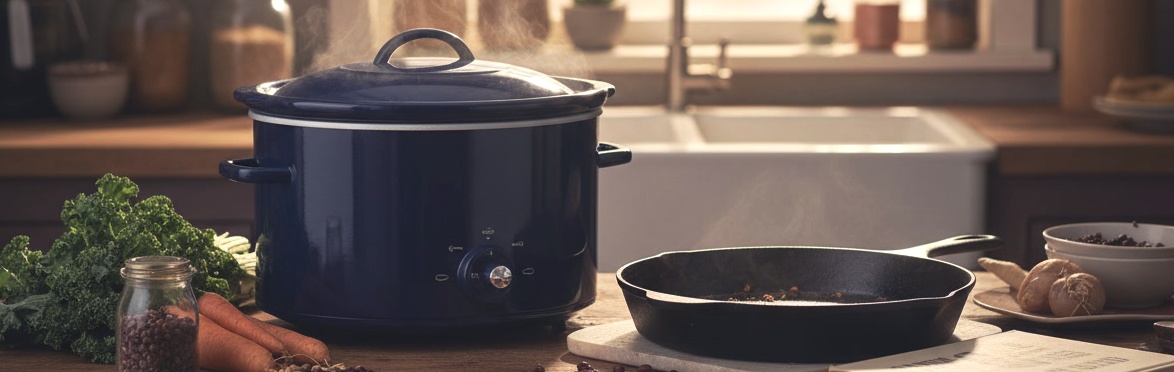
The right tools can make budget cooking easier and more enjoyable. A slow cooker is invaluable for tenderizing tougher, cheaper cuts of meat, transforming them into flavorful meals with minimal effort. A cast iron skillet is durable, versatile, and perfect for searing meats at home. Pressure cookers speed up cooking times for cuts that normally require hours, saving both time and energy. Investing in these tools once can pay off for years, making your carnivore journey more efficient and cost‑effective.
Encouragement for Beginners
It’s easy to feel discouraged when you see others posting pictures of ribeye steaks or exotic cuts, but remember: thriving on carnivore doesn’t require extravagance. As Dr. Shawn Baker reminds us, “You don’t need fancy cuts to thrive — simplicity fuels strength.” The diet is about nourishment, not luxury. By focusing on affordable staples and smart strategies, you can build a lifestyle that supports your health without straining your finances.
Consider This
Eating carnivore on a budget isn’t about sacrifice — it’s about wisdom. Every affordable cut you choose and every smart purchase you make reflects your commitment to health, strength, and simplicity. Consider how your kitchen choices today can build a sustainable lifestyle tomorrow, one that proves the carnivore diet is accessible to anyone willing to plan with purpose.