carnivore adaptation
Carnivore Sleep Problems: Why You’re Not Sleeping — And How to Fix It
Carnivore Sleep Problems: Why They Happen and How to Fix Them
When Meat Clears Your Days but Complicates Your Nights
Carnivore has a way of sharpening your days. Energy steadies. Cravings fade. Digestion calms. Mental clarity rises. But nighttime can tell a different story. Some people fall asleep faster than ever, while others toss and turn. Some wake up at 3 AM with their mind wide awake. Others feel tired but strangely unable to drift off, as if their body and brain are no longer on the same schedule.
These sleep changes aren’t random, and they aren’t a sign that carnivore “isn’t working.” They’re signs that your metabolism is shifting gears and your nervous system is trying to keep up. Once you understand what’s happening inside your body, you can restore deep, consistent sleep with surprising speed.


Why Carnivore Disrupts Sleep — At First
When you remove carbohydrates, your body transitions from running on glucose to running on fat. This shift is powerful, but it’s also demanding. During the early phase, stress hormones like cortisol and adrenaline rise temporarily. Harvard Health notes that cortisol naturally fluctuates throughout the day, but dietary changes can amplify those swings, especially at night. That’s why you may feel “tired but wired,” or wake up earlier than usual.
Electrolytes also play a major role. Without carbs, your body flushes sodium and potassium more quickly. Low electrolytes can trigger restless legs, nighttime heart pounding, dehydration, and difficulty staying asleep. The NIH explains that electrolyte imbalance directly affects nerve signaling and muscle relaxation — two systems essential for sleep. Many carnivore beginners unknowingly run low on sodium, which raises adrenaline and disrupts sleep. Read More About It HERE.

Your circadian rhythm also recalibrates. Stable blood sugar helps regulate your internal clock, but the reset process can temporarily cause vivid dreams, early waking, or mid‑night awakenings. It’s not dysfunction — it’s recalibration.
And then there’s food intake. Carnivore suppresses appetite, which means many people unintentionally undereat. When your body doesn’t receive enough fuel, it wakes you up to get more. Eating too lean has the same effect. Fat is your slow‑burning nighttime energy source. Without enough of it, your body runs out of fuel in the middle of the night.
How to Restore Deep, Consistent Sleep
The good news is that carnivore sleep problems are almost always fixable — and the solutions are simple.
The first step is increasing fat. Fat stabilizes nighttime energy and calms stress hormones. A ribeye at dinner often works better than a lean sirloin. Butter, tallow, and 80/20 beef provide the slow‑release fuel your body needs to stay asleep.

Sodium is the next pillar. Low sodium raises adrenaline, and adrenaline disrupts sleep. A pinch of salt before bed or a warm mug of salted bone broth can make a dramatic difference. Examine.com notes that sodium plays a direct role in fluid balance and nerve function — both essential for sleep.
Magnesium glycinate is another powerful tool. It supports muscle relaxation, deeper sleep, and lower nighttime cortisol. Many people find that 400 mg in the evening helps their body unwind.
Finally, your evening routine matters more on carnivore than you might expect. With stable blood sugar, your brain becomes more sensitive to light cues. Dim lights, reduced screen time, and a cool room help reinforce your circadian rhythm and make falling asleep easier.
What Your Next 30 Days Will Look Like
Most people experience a predictable sleep timeline on carnivore. During the first week, sleep may feel inconsistent. By week two, electrolytes stabilize and nighttime awakenings decrease. Week three brings calmer stress hormones and easier sleep onset. By week four, most people settle into deeper, more restorative sleep — often better than before carnivore.

Electrolytes on Carnivore: Fixing Fatigue, Cramps, and Low Energy the Right Way
Electrolytes on Carnivore: Fixing Fatigue, Cramps, and Low Energy the Right Way
When people begin the carnivore diet, they expect the mental clarity, the steady energy, the appetite freedom, and the simplicity of eating meat. What they don’t expect is the sudden wave of fatigue, headaches, muscle cramps, or that strange “hollow” feeling behind the eyes. It’s easy to assume something is wrong with the diet — but in reality, something much simpler is happening: your body is shifting from a carb‑dependent system to a fat‑powered one, and electrolytes are the bridge that makes the transition smooth instead of miserable.
Electrolytes aren’t optional on carnivore. They’re foundational. And once you understand how they work, you’ll know exactly how to fix the most common early‑stage problems — and how to keep your energy stable for the long haul.
Why Electrolytes Matter More on Carnivore Than Any Other Diet

On a standard diet, carbohydrates help your body retain water. When you remove carbs, insulin drops — which is good — but it also triggers your kidneys to release water and sodium. That’s why carnivore beginners often lose several pounds of water weight in the first week.
But water doesn’t leave alone.
It takes sodium, potassium, and magnesium with it.
This is why you can be eating ribeyes and still feel tired, lightheaded, crampy, foggy, irritable, or just “off.”
It’s not the diet.
It’s the electrolytes.

The Three Electrolytes Carnivore Beginners Must Prioritize
Sodium: The Foundation Mineral
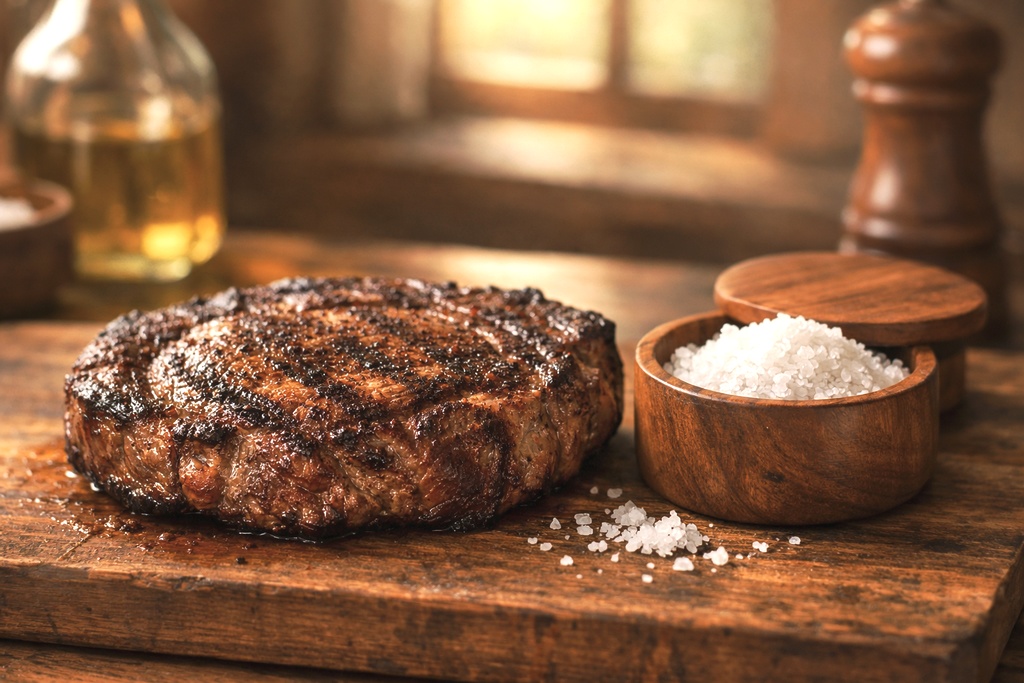
Sodium is the electrolyte most people under‑consume when they switch to carnivore. Without carbs, your kidneys flush sodium rapidly, and low sodium is the number‑one cause of headaches, fatigue, dizziness, low motivation, and brain fog.
Most carnivore beginners thrive at 4–6 grams of sodium per day — roughly 2–3 teaspoons of salt. That may sound like a lot, but it’s simply replacing what your body is losing.
A pinch of salt in your morning water, a warm mug of salted broth, and generously salting your meals is often enough to fix 70% of early carnivore symptoms.
Potassium: The Muscle + Nerve Mineral
Potassium is the quiet workhorse of your electrolyte system. You don’t feel it when it’s balanced — but you absolutely feel it when it’s low. Because carnivore flushes water quickly, potassium can dip just enough to cause problems even if you’re eating well.
Low potassium often shows up as sudden muscle cramps, restless legs at night, heart “flutters,” weakness during workouts, or that “wired but tired” feeling.
Most adults thrive around 3,000–4,700 mg per day, but you don’t need to track it. You simply need to eat enough total food volume.
Carnivore‑friendly potassium sources include ground beef, salmon, pork, and eggs. For example, a pound of ground beef contains roughly 1,200 mg of potassium, while a 6‑ounce serving of salmon provides around 700 mg. If you’re undereating, you’re under‑potassiumed. Eating enough meat is key to maintaining potassium, and your first carnivore grocery list helps beginners choose the right foods to stay energized.
Magnesium: The Calm‑Your‑System Mineral
Magnesium is the mineral that helps your muscles relax, your nerves settle, and your sleep deepen. Low magnesium can cause nighttime cramps, twitching, anxiety, poor sleep, and constipation.
Most people benefit from 200–400 mg of magnesium glycinate in the evening, especially during the first 30 days. Sardines, shellfish, and mineral water also help, but supplementation is often the simplest and most reliable option. For even more mineral support, explore organ meats for carnivore beginners, which offer some of the most nutrient‑dense options available.
Why Carnivore Beginners Feel “Off” — And How to Fix It Fast
Your body is not broken.
You’re not doing carnivore wrong.
You’re simply under‑mineralized.
When electrolytes drop, your body sends distress signals — but once your electrolyte balance is restored, those symptoms often disappear within hours. This simple shift is why so many carnivore beginners feel dramatically better after increasing salt, potassium‑rich foods, and magnesium.
The fix is simple: add 1–2 teaspoons of salt to your day, eat enough total food volume to get potassium, and add magnesium glycinate if you’re cramping or struggling with sleep. This is the difference between “carnivore is hard” and “carnivore feels incredible.”
Signs Your Electrolytes Are Finally Balanced
You’ll know you’ve hit the sweet spot when you feel steady, calm energy, clear thinking, strong appetite control, fewer cravings, better sleep, and no cramps or dizziness. This is the moment most people say, “Oh — THIS is what carnivore is supposed to feel like.”
What About Electrolyte Powders?
Electrolyte powders can be helpful, but many contain sweeteners, citric acid, flavorings, or fillers. If you use one, choose a clean, unsweetened option. But remember salt + meat + water is enough for most people.
Common Mistakes to Avoid
Most electrolyte issues come from simple, fixable habits. Here’s what they look like in real life.
You salt your steak lightly, thinking it’s “enough,” but your kidneys are flushing sodium faster than you’re replacing it. Result: headaches and fatigue.
You drink too much plain water trying to “stay hydrated,” but plain water dilutes electrolytes. Result: dizziness and brain fog.
You undereat — maybe you jumped into one meal a day too early — and your potassium intake drops. Result: low energy and muscle weakness. If cost is causing you to undereat, the carnivore on a budget guide shows how to eat enough without overspending.
You ignore early symptoms, assuming cramps or fatigue mean carnivore “isn’t working,” when it’s actually your body asking for minerals.
A simple troubleshooting checklist usually fixes everything: add half a teaspoon of salt immediately, eat a full meal, drink a glass of water with a pinch of salt, and take magnesium glycinate before bed. Most symptoms resolve within hours.
How to Build Your Personal Electrolyte Routine
Here’s a simple, plug‑and‑play routine that works for 90% of carnivore beginners.
Morning:
A glass of water with a pinch of salt, optional salted coffee, and a breakfast of eggs and beef with generous salting.
Midday:
A glass of water, a potassium‑rich lunch like beef or salmon, and salt added until the food tastes satisfying.
Afternoon:
If energy dips, sip salted broth. If you sweat, add an extra pinch of salt.
Evening:
Dinner of your choice, 200–400 mg magnesium glycinate, and optional warm salted broth before bed.
For active people:
Add half a teaspoon of extra salt on training days, drink salted water before workouts and prioritize potassium‑rich foods like ground beef and salmon.
For hot weather:
Increase salt by half to one teaspoon and add one extra glass of salted water.
This routine keeps your energy stable and prevents the “carnivore crash.”
Electrolytes for Athletes: Training Without Carbs
Athletes often worry that removing carbs will tank their performance — but electrolytes are the real key to maintaining strength, endurance, and recovery.
Sweat loss increases sodium needs, training increases magnesium usage, and muscle contractions depend on potassium balance. A simple athlete protocol includes salted water before workouts, salted water during heavy sweating, a potassium‑rich meal afterward, and magnesium glycinate in the evening for recovery.
This keeps performance stable while your body adapts to fat‑based fuel.
Your Carnivore Journey: You’re Not Doing This Alone
Electrolytes are one of the simplest fixes in the carnivore world, but they make one of the biggest differences. Once you dial them in, everything else becomes easier — energy, mood, workouts, sleep, cravings, and consistency.
You’re building a lifestyle, not just a diet. Please remember this is NOT a diet, it’s a Way Of Eating.
And this is one of the most important steps in making it sustainable.