liver recipes
Organ Meats for Carnivore Beginners: A Gentle Introduction
Organ Meats for Carnivore Beginners: A Gentle Introduction
Organ meats are the unsung heroes of the carnivore diet. Packed with nutrients, affordable, and surprisingly versatile, they offer a powerful way to deepen your commitment to ancestral eating. But for many newcomers, they’re also intimidating. This guide is here to change that — with practical tips, emotional encouragement, and a clear path forward.
Why Organ Meats Matter
- Nutrient Density: Liver, heart, kidney, and spleen are loaded with vitamins A, B12, iron, zinc, and CoQ10.
- Affordability: Compared to ribeyes and tenderloins, organ meats are budget-friendly and often available in bulk.
- Sustainability: Eating nose-to-tail honors the whole animal and reduces waste.
- Hormonal Support: Many organ meats contain compounds that support thyroid, adrenal, and reproductive health.
“Eat the whole animal. Nature doesn’t waste—and neither should you.”

Start Here: Easiest Cuts for Beginners
If you’re new to organ meats, start with cuts that are mild in flavor and easy to prepare:
| Cut | Flavor Profile | Prep Tip |
| Beef Liver | Rich, slightly metallic | Pan-fry with salt and butter |
| Heart | Meaty, lean | Slice thin and grill or sauté |
| Tongue | Tender, beefy | Slow cook, peel, and slice |
| Spleen | Earthy, dense | Mix into ground beef |
Pro Tip: Mix small portions of liver or spleen into ground beef patties to ease into the taste.
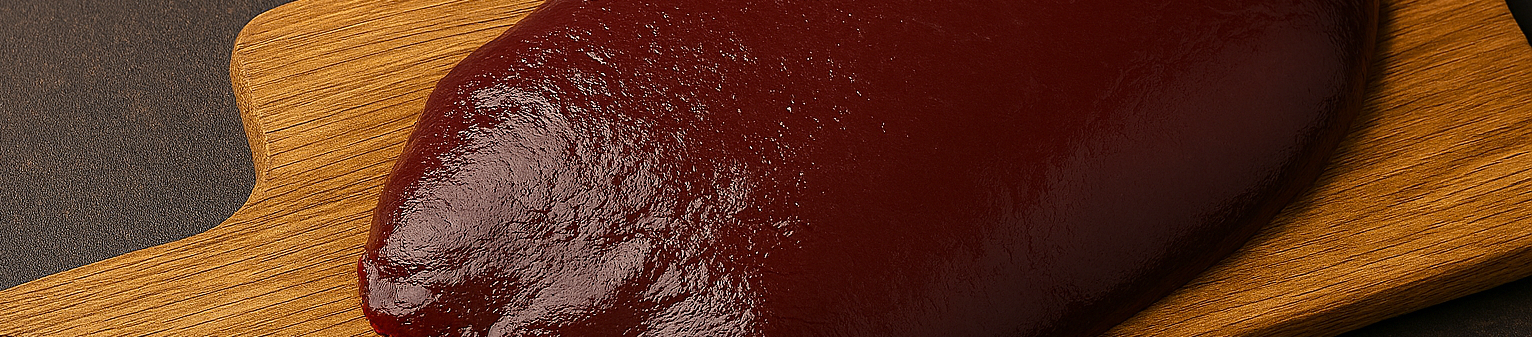
️ How to Cook Organ Meats Without Fear
- Keep it simple: Salt, butter, and cast iron go a long way.
- Don’t overcook: Especially liver — it gets chalky fast.
- Use broth or fat: Helps mellow stronger flavors.
- Try slow cooking: Tongue and kidney shine when braised.
Storage Tips
Organ meats are best enjoyed fresh, but with a little planning, you can keep them on hand without waste or stress.
- Freeze in 4–6 oz portions for easy rotation and meal prep.
- Vacuum seal or use airtight containers to preserve freshness and prevent freezer burn.
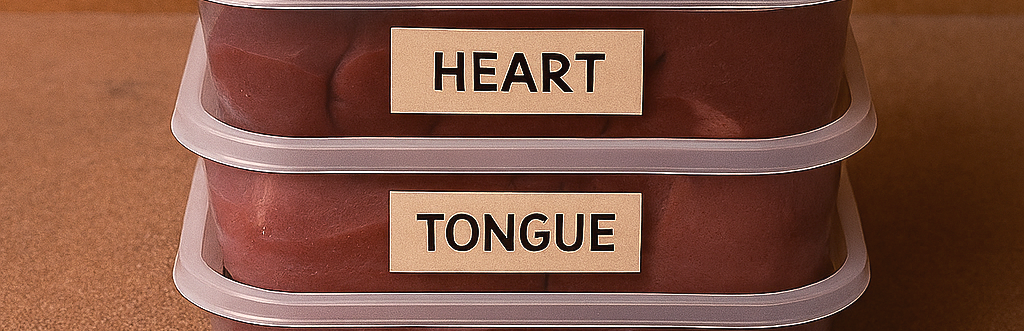
- Label clearly — some cuts look alike once frozen, especially liver and spleen.
- Store separately from muscle meats to avoid cross-contamination and flavor transfer.
- Use within 3 months for optimal taste and nutrient retention.
Tip: If you’re buying in bulk, consider organizing your freezer by cut type — liver, heart, tongue — so you can rotate weekly and avoid burnout.
Consider This
Organ meats aren’t just for hardcore carnivores — they’re for anyone ready to level up their health. Start small, stay consistent, and remember: every bite is a vote for vitality. These cuts may challenge your palate, but they’ll reward your body in ways no supplement ever could.
You’re not just eating differently — you’re reclaiming ancestral wisdom.
You’re not just nourishing your body — you’re honoring the whole animal.
You’re not just surviving — you’re building a foundation for long-term strength.
“Respect the animal. Honor the nourishment. Reclaim your strength.”